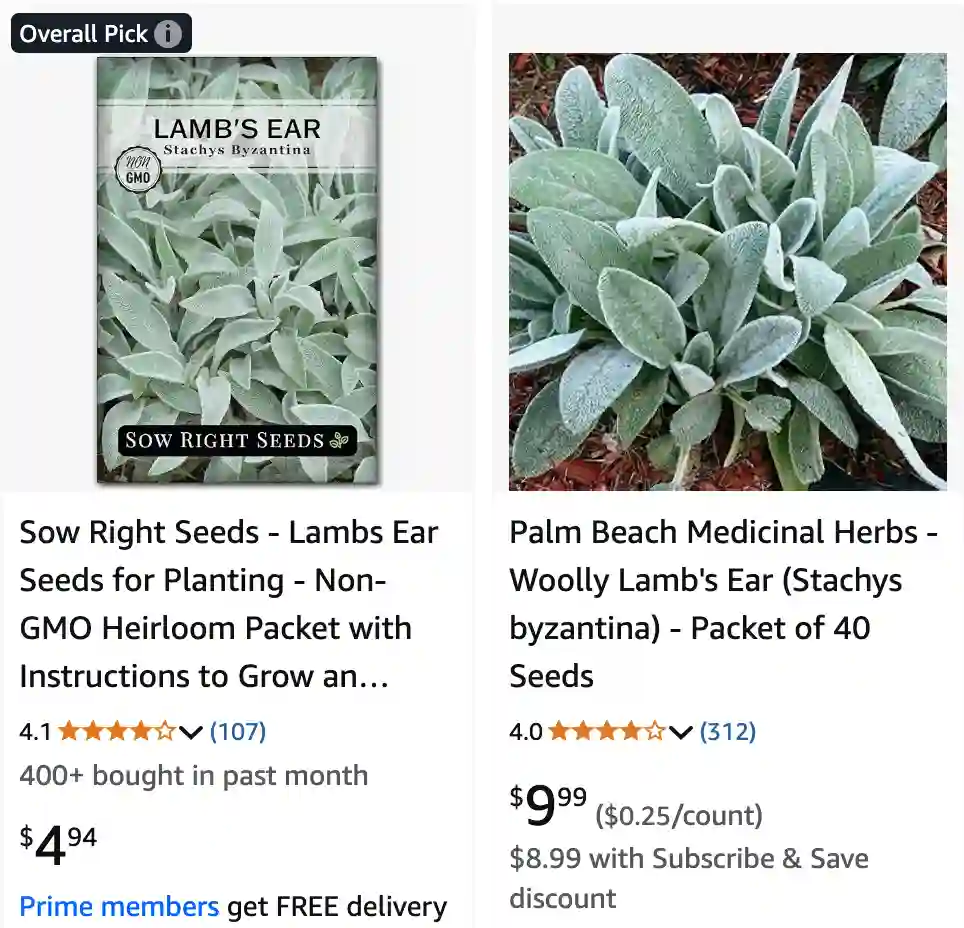
If you’ve ever run your fingers across a fuzzy silver leaf in someone’s garden and felt like petting a soft lamb’s ear, chances are, you’ve met Stachys Byzantina—better known as Lamb’s Ear. I’ve grown it in my garden for years. This plant isn’t just a groundcover; it’s a conversation starter. People always ask the same questions. Today, I’m answering the most common FAQs I get about this beautiful, woolly perennial.
Is Stachys Byzantina Edible?
Let’s get this one out of the way first: Is Stachys Byzantina edible? Technically, yes—but it’s not commonly used in cooking. Some cultures have historically used the leaves medicinally or brewed into tea, but the taste is bitter and a bit medicinal. It’s not a culinary herb like basil or mint, even though it shares the Lamiaceae family with them.
That said, I wouldn’t recommend snacking on it. I’ve never eaten it, and I wouldn’t advise others to do so either unless under expert guidance. It’s better admired than consumed.
Is Stachys Byzantina Poisonous to Dogs?
Here’s a big concern for pet owners, including me: Is Stachys Byzantina poisonous to dogs? Thankfully, no. According to the ASPCA and my own vet, Stachys Byzantina is not toxic to dogs, cats, or horses. My dog has brushed past it countless times, sometimes even lounged on it, and never had an issue.
Still, ingestion of any plant in large amounts can cause a mild tummy upset, just from the fiber. But in general, this is a pet-safe plant. That’s a relief if you want a soft-textured groundcover in a pet-friendly yard.
How Do You Grow It?
In my experience, Stachys Byzantina is one of the easiest perennials to grow. It loves full sun, though it will tolerate partial shade. The fuzzy leaves are actually a natural adaptation to reflect sunlight and conserve water. I’ve had the best success in well-draining soil. In humid regions, too much moisture can cause rot. That’s the one major downside—don’t let it get soggy.
It’s drought-tolerant once established. I water it about once every two weeks during dry spells. It spreads by creeping rhizomes and makes an excellent edging plant or filler between stepping stones.
Does It Bloom?
Yes, it does. In late spring or early summer, it sends up tall spikes of pink-purple flowers. Some gardeners find them a bit messy or leggy and snip them off. I sometimes leave a few for the bees. Pollinators love them. You can deadhead to encourage more compact growth.
Is It Invasive?
In the right climate, it can spread quickly. In my Zone 7 garden, it behaves well with light trimming. In warmer regions, it may grow aggressively. I recommend dividing it every two or three years to keep it in check. It’s not invasive in the legal or ecological sense—just a vigorous grower.
Can It Survive Winter?
Stachys Byzantina is hardy in USDA zones 4–9. Mine survives snow and freezing temperatures with no problem. The leaves can become mushy in wet winters, but new growth usually comes right back in spring. I do a little cleanup in early March to remove dead foliage.
Is It Deer Resistant?
Yes, and that’s another reason I love it. Deer typically avoid fuzzy, aromatic foliage. In my area, where deer roam freely, Lamb’s Ear remains untouched. That makes it a fantastic choice for low-maintenance landscaping.
Companion Plants I Recommend
I pair it with Echinacea, Salvia, Sedum, and Lavandula. The silvery leaves contrast beautifully with purple and pink blooms. It also works great near Heuchera or Nepeta for texture. If you like xeriscaping, try it alongside Agave or Thymus.
Final Thoughts
Stachys Byzantina is more than just a pretty face. It’s safe for pets, easy to care for, and provides year-round interest. While not something you’d eat or use in the kitchen, its soft, silvery leaves bring a gentle elegance to the garden. If you’re looking for a groundcover that feels like nature’s velvet, this one’s for you.

If i die, water my plants!