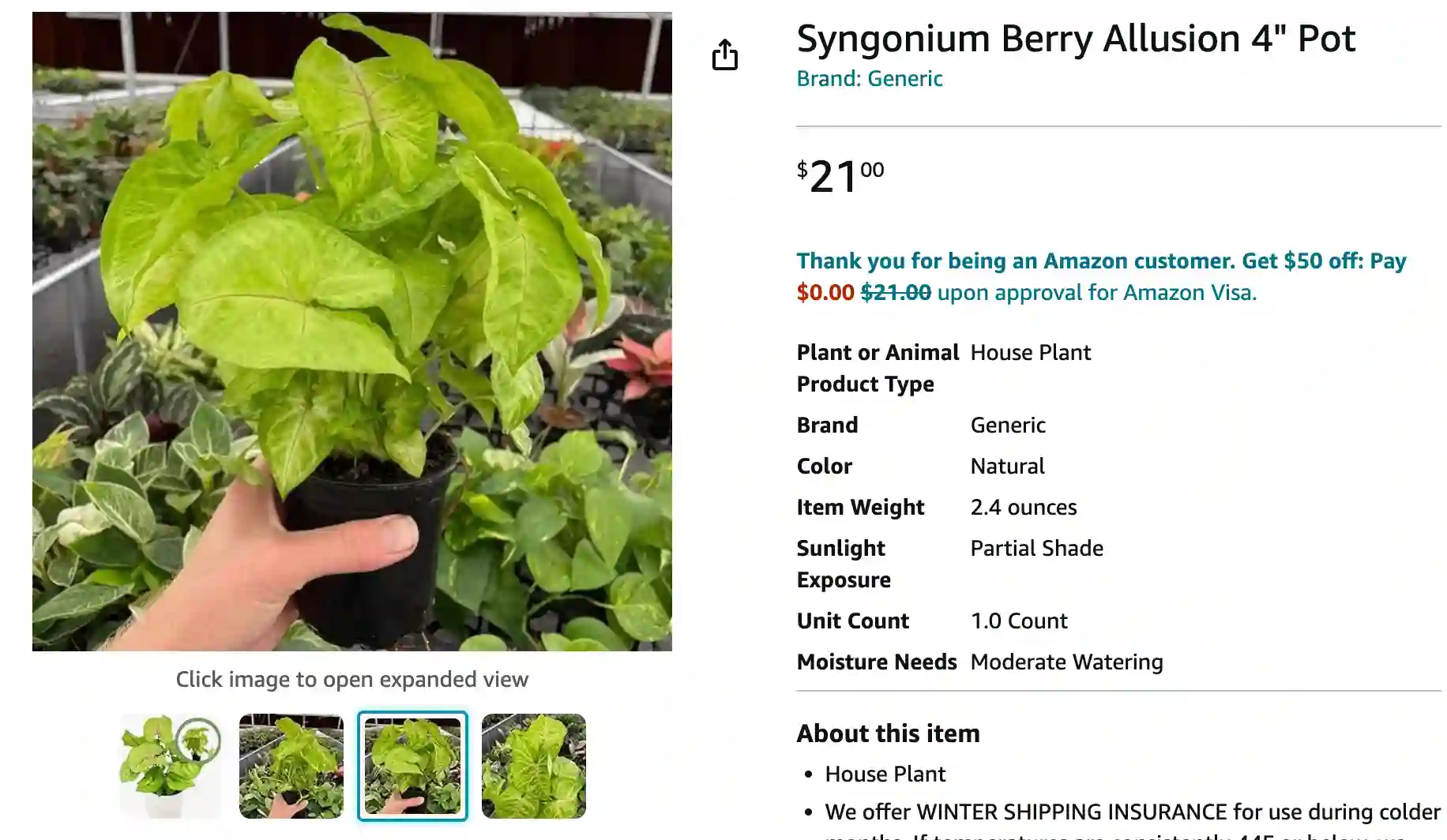
The world of houseplants is vast and enchanting, filled with a myriad of greens, textures, and forms that can transform any living space into a verdant sanctuary. Among these botanical treasures, the Syngonium ‘Berry Allusion’ stands out as a true gem, captivating enthusiasts with its delicate beauty and relatively forgiving nature. Often referred to as the Arrowhead Plant or Goosefoot Plant due to its distinctive leaf shape, this particular cultivar boasts a unique coloration that sets it apart: soft olive-green leaves adorned with exquisite, light-pink to berry-pink veins, creating a subtle yet striking visual appeal.
This article delves deep into the comprehensive care required to cultivate a thriving Syngonium ‘Berry Allusion’, ensuring its vibrant hues remain prominent and its growth robust. Beyond the essential care guidelines, we’ll embark on a personal “time-lapse” journey, chronicling the evolution of my own ‘Berry Allusion’ over two years, sharing insights and observations from a gardener’s perspective. Whether you’re a seasoned plant parent or just beginning your green adventure, this guide aims to equip you with all the knowledge needed to nurture this charming plant and appreciate its journey from a small cutting to a flourishing specimen.
Botanical Profile: The Alluring Syngonium ‘Berry Allusion’
The Syngonium genus belongs to the Araceae family, which also includes popular plants like Philodendrons and Monsteras. Native to the tropical rainforests of Central and South America, Syngoniums are typically epiphytic or hemi-epiphytic in their natural habitat, starting as terrestrial plants before climbing trees and developing aerial roots.
Syngonium podophyllum ‘Berry Allusion’ is a cultivated variety, specifically part of the ‘Allusion’ series known for their compact growth habits and unique leaf coloration. Its most striking feature is its foliage: the leaves are initially heart-shaped, gradually developing a more arrow-like or sagittate form as they mature. The base color is a soft, muted olive-green, but it’s the intricate network of veins that truly defines its ‘Berry Allusion’ name. These veins range from a delicate light pink to a richer, more pronounced berry-pink, especially noticeable on newer leaves. Some leaves may even exhibit subtle splashes of cream, adding to their variegated charm.
Unlike some other Syngonium varieties that quickly develop a strong vining habit, ‘Berry Allusion’ tends to maintain a more bushy and compact form, especially when young or regularly pruned. This makes it an excellent choice for tabletops, shelves, or as a vibrant addition to dish gardens. As it matures, it can still develop trailing stems, making it suitable for hanging baskets or training on a moss pole for a more upright display. Its relatively fast growth rate, particularly during warmer months, allows for noticeable changes and development, making it a rewarding plant to observe.
Cultivating Brilliance: Comprehensive Care Guide
To ensure your Syngonium ‘Berry Allusion’ flourishes, providing the right environmental conditions and consistent care is paramount. Here’s a detailed breakdown of its needs:
Light Requirements: The Spectrum of Radiance
Light is perhaps the most critical factor influencing the ‘Berry Allusion’s’ vibrant coloration. This plant thrives in bright, indirect light.
- Ideal Placement: An east-facing window is often perfect, offering gentle morning sun. A few feet away from a south or west-facing window, where it receives ample light without direct harsh rays, also works well.
- Signs of Too Much Light: Direct sunlight, especially intense afternoon sun, can scorch its delicate leaves, leading to faded colors, brown spots, or a bleached appearance. The pink veins may also become less prominent.
- Signs of Too Little Light: While ‘Berry Allusion’ can tolerate lower light conditions, prolonged exposure to dim environments will result in slower growth and a significant reduction in the intensity of its pink variegation, causing the leaves to appear more uniformly green. Leggy, stretched-out stems are another indicator, as the plant reaches for more light.
- Rotation: To ensure even growth and consistent leaf coloration, rotate your plant every few weeks.
Watering Wisdom: The Art of Balance
Consistent moisture is key for Syngonium ‘Berry Allusion’, but overwatering is a common pitfall that can lead to serious issues like root rot.
- When to Water: The golden rule is to allow the top 1 to 2 inches of soil to dry out before watering again. You can check this by inserting your finger into the soil. If it feels dry to the touch, it’s time to water.
- How to Water: Water thoroughly until you see water draining from the bottom of the pot. This ensures the entire root ball is adequately moistened. Discard any excess water collected in the saucer to prevent the plant from sitting in stagnant water.
- Seasonal Adjustments: During the active growing season (spring and summer), your ‘Berry Allusion’ will require more frequent watering. In autumn and winter, when growth naturally slows down, reduce your watering frequency significantly, allowing the soil to dry out more between waterings.
- Signs of Underwatering: Wilting leaves, crispy or browning leaf edges, and a generally droopy appearance indicate the plant is thirsty. While Syngoniums are quite resilient and often bounce back quickly after a good soak, prolonged underwatering can lead to permanent damage.
- Signs of Overwatering: Yellowing leaves, especially lower ones, soft and mushy stems, and a foul odor from the soil are classic signs of overwatering and potential root rot. If you suspect root rot, it’s crucial to act quickly by repotting the plant into fresh, dry soil after trimming away any rotten roots.
Humidity Haven: Mimicking the Tropics
As a tropical plant, Syngonium podophyllum ‘Berry Allusion’ thrives in high humidity, ideally above 50%. Dry air, common in heated or air-conditioned homes, can stress the plant.
- Misting: Regular misting (daily or every other day) can provide a temporary boost in humidity, especially beneficial during dry periods. Use distilled or filtered water to avoid mineral buildup on leaves.
- Pebble Tray: Place the pot on a tray filled with pebbles and water. Ensure the bottom of the pot does not sit directly in the water, as this can lead to root rot. As the water evaporates, it increases humidity around the plant.
- Humidifier: For consistent high humidity, especially in very dry environments, a small room humidifier placed near your plant collection is the most effective solution.
- Grouping Plants: Grouping plants together can create a localized microclimate with higher humidity as plants release moisture through transpiration.
- Signs of Low Humidity: Brown, crispy leaf tips and edges, and curled leaves are common indicators that your plant is not receiving enough humidity.
Soil Secrets: The Foundation of Health
A well-draining, aerated, and nutrient-rich potting mix is essential for the ‘Berry Allusion’.
- Composition: A good mix typically includes:
- Potting Soil: A high-quality, peat-based potting mix forms the base.
- Perlite or Pumice: These amendments improve drainage and aeration, preventing the soil from becoming compacted and waterlogged. Aim for about 20-30% of the mix.
- Orchid Bark or Coco Coir: Adding a small amount can further improve aeration and moisture retention without causing sogginess.
- Compost or Worm Castings: A small addition can provide a slow release of nutrients.
- pH Level: ‘Berry Allusion’ prefers slightly acidic soil with a pH range of 5.5 to 6.5.
- Drainage: Always use pots with drainage holes to prevent water from accumulating at the bottom, which is a primary cause of root rot.
Temperature Tones: A Warm Embrace
Syngonium ‘Berry Allusion’ prefers warm temperatures, mimicking its tropical origins.
- Ideal Range: Maintain temperatures between 60-80°F (16-27°C).
- Avoid Extremes: Protect your plant from sudden temperature fluctuations, cold drafts from windows or doors, and proximity to heating or air conditioning vents. These can cause stress, leading to leaf drop or stunted growth.
- Minimum Temperature: Do not expose the plant to temperatures below 50°F (10°C) for extended periods, as this can cause cold damage.
Fertilization Finesse: Nurturing Growth
While not a heavy feeder, regular fertilization during the growing season supports healthy growth and vibrant foliage.
- Frequency: Feed your ‘Berry Allusion’ once a month during the spring and summer months (active growing season).
- Type of Fertilizer: Use a balanced liquid houseplant fertilizer (e.g., 20-20-20 or similar NPK ratio).
- Dilution: Always dilute the fertilizer to half or even quarter strength of the manufacturer’s recommended dosage. Over-fertilizing can lead to nutrient burn, characterized by crispy leaf edges and salt buildup in the soil.
- Winter Dormancy: Withhold fertilizer entirely during the autumn and winter months when the plant’s growth naturally slows down.
Pruning for Perfection: Shaping Your Syngonium
Pruning is beneficial for maintaining the desired shape, encouraging bushier growth, and removing any leggy or unhealthy stems.
- When to Prune: The best time to prune is during the active growing season (spring through late summer).
- How to Prune: Use clean, sharp scissors or pruning shears to make cuts just above a leaf node (the point where a leaf or stem branches off). This encourages new growth from that node.
- Bushier Growth: To encourage a more compact and bushy plant, pinch back the growing tips regularly.
- Vining Habit: If you prefer a vining or climbing plant, allow the stems to grow longer and provide a moss pole or trellis for support.
- Safety Precaution: The sap of Syngoniums contains calcium oxalate crystals, which can cause skin irritation. It’s advisable to wear gloves when pruning.
Repotting Rhythms: Giving Room to Grow
Syngonium ‘Berry Allusion’ is a relatively fast grower and will eventually outgrow its pot.
- When to Repot: Repot your plant every one to two years, or when you notice signs of it being root-bound. These signs include roots growing out of the drainage holes, water running straight through the pot without soaking in, or stunted growth despite proper care.
- Best Time: Spring is the ideal time for repotting, as the plant is entering its active growth phase and can recover more easily.
- Pot Size: Choose a new pot that is only 1 to 2 inches larger in diameter than the current one. Moving to a much larger pot can lead to excess soil retaining too much moisture, increasing the risk of root rot.
- Process: Gently remove the plant from its old pot. Loosen any circling roots. Place a layer of fresh, well-draining potting mix at the bottom of the new pot, center the plant, and fill around the root ball with more soil, gently patting it down. Water thoroughly after repotting.
Expanding Your Collection: Propagation Techniques
One of the joys of owning a Syngonium ‘Berry Allusion’ is how easily it can be propagated, allowing you to create new plants for yourself or to share with friends. Stem cuttings are the most common and successful method.
- Stem Cuttings (Water or Soil):
- Select a Healthy Stem: Choose a healthy, mature stem with at least two to three leaves and one or more nodes (the small bumps on the stem where leaves and roots emerge).
- Make the Cut: Using clean, sharp scissors or pruning shears, cut the stem just below a node. Aim for a cutting that is 4-6 inches long. Remove any lower leaves that would be submerged in water or buried in soil to prevent rot.
- Water Propagation: Place the cut end of the stem in a clear glass of water. Ensure at least one node is submerged. Change the water every few days to keep it fresh and prevent bacterial growth. Place the glass in a warm spot with bright, indirect light. Roots typically begin to emerge within 1-2 weeks. Once the roots are a few inches long, you can transfer the cutting to soil.
- Soil Propagation: Alternatively, you can plant the cutting directly into a small pot filled with moist, well-draining potting mix. Ensure at least one node is buried. Keep the soil consistently moist (but not soggy) and place the pot in a warm, humid environment with bright, indirect light. You can create a mini-greenhouse effect by covering the pot with a clear plastic bag or dome to boost humidity.
- Division: For older, larger, and denser ‘Berry Allusion’ plants, you can propagate by division during repotting. Gently separate the plant into smaller sections, ensuring each section has its own root system. Plant these divisions into separate pots. This method can be a bit trickier as the roots can be quite intertwined.
- Timing: The best time to propagate is during the active growing season (spring, summer, and early fall) when the plant is most vigorous and roots will develop faster.
Troubleshooting Common Challenges
Even with the best care, plants can sometimes encounter issues. Being able to identify and address these problems quickly is crucial for the health of your Syngonium ‘Berry Allusion’.
Pest Patrol: Unwanted Visitors
Common houseplant pests can sometimes target Syngoniums. Regular inspection of your plant’s leaves (top and bottom) and stems will help you catch infestations early.
- Aphids: Small, pear-shaped insects, often green or black, found on new growth and undersides of leaves. They suck plant sap, causing distorted growth.
- Mealybugs: Small, white, cottony insects that cluster in leaf axils and along stems. They also feed on sap and excrete sticky honeydew.
- Spider Mites: Tiny arachnids that create fine webbing, usually on the undersides of leaves. Leaves may appear stippled or discolored. They thrive in dry conditions.
- Thrips: Slender, tiny insects that cause silvery streaks and distorted growth.
- Fungus Gnats: Small, dark flies that hover around the soil surface. Their larvae feed on decaying organic matter and sometimes roots, especially in overly moist soil.
Treatment:
- Isolation: Isolate infested plants immediately to prevent spread.
- Wipe Down: For mild infestations, wipe leaves with a damp cloth or cotton swab dipped in rubbing alcohol.
- Insecticidal Soap/Neem Oil: Apply an insecticidal soap or neem oil spray, following product instructions, to all affected areas. Repeat applications may be necessary.
- Horticultural Oil: For persistent issues, a horticultural oil can be effective.
- Fungus Gnats: Allow the topsoil to dry out completely between waterings. Yellow sticky traps can help catch adult gnats. Beneficial nematodes can be used for larvae in the soil.
Disease Diagnostics: Fungal and Bacterial Foes
While generally robust, Syngoniums can be susceptible to certain diseases, often linked to environmental conditions.
- Root Rot: The most common disease, caused by overwatering and poor drainage. Symptoms include yellowing leaves, wilting despite moist soil, mushy stems, and a foul odor.
- Solution: If caught early, unpot the plant, remove all old soil, trim away any brown, mushy roots with sterilized scissors. Repot into fresh, dry, well-draining soil. Reduce watering frequency.
- Brown Spot (Fungal): Appears as brown spots or patches on leaves.
- Solution: In minor cases, no treatment may be needed. For more widespread infection, improve air circulation. Organic treatments like a baking soda solution (½ teaspoon baking soda + 1 teaspoon liquid soap in 1 gallon water, sprayed on leaves) can prevent spread. Copper-based fungicidal soaps or all-purpose fungicides can be used for severe cases, following label instructions.
- Leaf Rot (Bacterial): Causes leaves to rot, often with a foul smell. Spreads quickly.
- Solution: Promptly remove and dispose of infected plant parts using sterilized pruning shears. Treat unaffected foliage and soil with a copper-based bactericide. In severe cases, where more than half the leaves are affected, it may be necessary to remove the entire plant to prevent spread to other plants.
Addressing Ailments: Common Plant Problems
Beyond pests and diseases, other issues can arise from improper care.
- Yellowing Leaves:
- Overwatering: Most common cause. Soil is constantly wet, leading to root suffocation.
- Underwatering: Less common, but prolonged dryness can cause yellowing, often accompanied by wilting.
- Nutrient Deficiency: Lack of fertilizer, especially nitrogen, can cause older leaves to yellow.
- Natural Aging: Older, lower leaves naturally yellow and drop as the plant grows.
- Dry, Brown Leaf Tips/Edges:
- Low Humidity: The most frequent culprit.
- Underwatering: Inconsistent watering or allowing the soil to dry out too much.
- Salt Buildup: Over-fertilization can lead to a buildup of mineral salts in the soil, burning leaf tips. Flush the soil with plain water periodically.
- Lack of Growth:
- Insufficient Light: Not enough light will slow down photosynthesis and growth.
- Under-fertilization: Plant lacks nutrients for new growth.
- Root-bound: The plant has outgrown its pot and roots are circling, preventing further expansion.
- Dormancy: Growth naturally slows in winter.
- Spindly or Leggy Growth:
- Insufficient Light: Plant stretches to find more light, resulting in long, sparse stems. Move to a brighter location. Regular pruning can also help maintain a bushier form.
- Toxicity: It’s important to note that all parts of Syngonium podophyllum contain insoluble calcium oxalate crystals, which are toxic if ingested. Keep your ‘Berry Allusion’ out of reach of pets and young children. The sap can also cause skin irritation, so wear gloves when handling or pruning.
The ‘Allusion’ Family: ‘Berry Allusion’ vs. Its Cousins
The ‘Allusion’ series of Syngoniums is renowned for its compact growth and distinctive leaf coloration. ‘Berry Allusion’ is often compared to other popular varieties within this series, particularly ‘Pink Allusion’ and ‘Bright Allusion’.
- Syngonium ‘Berry Allusion’: Characterized by olive-green leaves with light to deep berry-pink veins. It has a pronounced, almost rosy hue in its veining and is known for its prolific suckering ability, leading to a full, bushy appearance.
- Syngonium ‘Pink Allusion’: This variety typically features lighter green leaves with more delicate, softer pink veins. The pink is often less saturated than in ‘Berry Allusion’, giving it a more subtle, pastel appearance. It was one of the first in the ‘Allusion’ series.
- Syngonium ‘Bright Allusion’: As its name suggests, ‘Bright Allusion’ often presents a paler, brighter overall foliage color compared to ‘Berry Allusion’, with its pink veining also appearing brighter and more luminous. It can sometimes be mistaken for a very well-lit ‘Berry Allusion’.
While their differences might seem subtle, each ‘Allusion’ cultivar offers a unique aesthetic. ‘Berry Allusion’ stands out for its deeper, richer pink tones and its natural tendency to form a dense, attractive plant, making it a favorite for those seeking a pop of color without overwhelming vibrancy.
Beyond Beauty: Benefits of the Syngonium ‘Berry Allusion’
Beyond its undeniable aesthetic appeal, the Syngonium ‘Berry Allusion’ offers several benefits that make it a valuable addition to any indoor space.
- Air Purification: Like many plants in the Araceae family, Syngoniums are known for their air-purifying qualities. They can help remove common indoor air pollutants such as formaldehyde, benzene, xylene, and trichloroethylene, contributing to a healthier indoor environment.
- Ease of Care: Despite its exotic appearance, ‘Berry Allusion’ is relatively low-maintenance, making it an excellent choice for both beginner and experienced plant enthusiasts. Its adaptability to various light conditions (though it thrives in bright indirect light) adds to its appeal.
- Versatile Decor: Its compact, bushy growth habit makes it suitable for a variety of placements – on desks, shelves, windowsills, or as part of a larger plant arrangement. As it matures and begins to vine, it can also be used in hanging baskets or trained upwards, adding vertical interest.
- Stress Reduction: The presence of plants in indoor environments has been shown to reduce stress, improve mood, and increase overall well-being. The calming green and pink hues of the ‘Berry Allusion’ can contribute significantly to a serene atmosphere.
A Gardener’s Time-Lapse: My Two Years with ‘Berry Allusion’
Let me take you on a personal journey, a two-year “time-lapse” of my experience nurturing a Syngonium ‘Berry Allusion’. It all began with a small, unassuming plant, and watching it grow has been a truly rewarding experience.
Month 1-3: The New Arrival & Initial Adjustments
I remember the day I brought my ‘Berry Allusion’ home. It was a small, compact plant in a 4-inch nursery pot, with just a handful of its characteristic olive-green leaves and faint hints of pink veins. I was immediately drawn to its subtle charm. My first task was to find it the perfect spot. I settled on a shelf a few feet away from an east-facing window, ensuring it received bright, indirect morning light.
For the first few weeks, I focused on observing it closely. I learned its watering rhythm by checking the soil daily. I quickly discovered it preferred its soil to dry out slightly before a thorough watering. I also started misting it every morning, knowing its tropical origins craved humidity. There were a few yellowing lower leaves initially, which I attributed to transplant shock and the adjustment to its new environment. I removed them gently, ensuring not to disturb the plant too much. By the end of the first month, I saw the first signs of new growth – a tiny, tightly furled leaf emerging from the center. It was a small victory, but incredibly exciting!
Month 4-6: Settling In & First Growth Spurts
As spring transitioned into summer, my ‘Berry Allusion’ truly began to settle in. The new leaves unfurled rapidly, each one a vibrant testament to its health. The pink veining became much more pronounced on these newer leaves, a stunning contrast against the green. I started a monthly feeding routine with a diluted liquid fertilizer, and the plant responded with even more vigorous growth.
Around the fifth month, I noticed the plant was becoming quite bushy, with several new shoots emerging from the base. This is when I started to appreciate its “prolific suckering ability,” as some sources describe it. I also noticed a few stems starting to lengthen, hinting at its vining potential. I decided to let it grow a bit more before considering any pruning. The ambient humidity in my home was around 50-60% during these warmer months, and the plant seemed perfectly content, with no brown tips in sight.
Month 7-12: The Vining Adventure & Pruning Lessons
By the seven-month mark, my ‘Berry Allusion’ had significantly increased in size. Some of its stems were now distinctly vining, reaching out from the pot. I decided to embrace this and gave it a small, decorative trellis to climb. It readily latched on, and watching it ascend was like a slow-motion time-lapse in itself.
This period also brought my first experience with pruning. A few lower leaves had naturally yellowed and dropped, and some of the vining stems were getting a little too leggy for my liking. I carefully snipped them back just above a node, wearing gloves to protect my skin from the sap. To my delight, these pruned stems quickly branched out, making the plant even bushier at its base. I even took a few of the cuttings and placed them in water. Within two weeks, tiny white roots started to emerge – propagation was truly as easy as advertised! This was a significant milestone, as I now had the potential to create new ‘Berry Allusion’ plants.
As autumn approached, I gradually reduced my watering frequency and stopped fertilizing, preparing the plant for its semi-dormant winter phase. Its growth slowed, but its vibrant colors remained.
Year 1-2: Maturing Beauty & Propagation Success
Entering its second year, my ‘Berry Allusion’ was a magnificent specimen. It had filled out its 6-inch pot beautifully, with a lush canopy of green and pink leaves. The propagated cuttings from the previous year had rooted successfully and were now thriving in their own small pots, miniature versions of the mother plant.
Around the 18-month mark, I noticed roots beginning to emerge from the drainage holes of its pot, a clear sign it was root-bound. In early spring of its second year, I decided it was time for its first repotting. I chose a 7-inch pot, just slightly larger, and used a fresh, airy potting mix with plenty of perlite. The plant handled the transition remarkably well, showing no signs of shock.
Throughout its second year, it continued its steady growth, requiring only routine care: consistent watering when the topsoil dried, monthly feeding during spring and summer, and occasional misting, especially during drier spells. I continued to prune it lightly to maintain its shape and encourage new, colorful growth. The ‘Berry Allusion’ had become a true centerpiece in my plant collection, a testament to its resilience and beauty.
Observing its journey from a small, delicate plant to a thriving, mature specimen has been a constant source of joy. Each new leaf, each lengthening vine, and each successful propagation has been a mini “time-lapse” event, reminding me of the quiet, persistent power of nature.
Conclusion
The Syngonium ‘Berry Allusion’ is more than just a pretty face; it’s a resilient, rewarding, and relatively easy-to-care-for houseplant that brings a unique splash of color to any indoor setting. Its distinctive olive-green leaves with their charming berry-pink veins offer a subtle elegance that can complement a wide range of interior aesthetics.
By understanding its specific needs for bright, indirect light, consistent but not excessive watering, high humidity, and a well-draining soil mix, you can ensure your ‘Berry Allusion’ thrives. Its ease of propagation also makes it a fantastic plant for expanding your collection or sharing the joy of plant parenthood with others.
Whether you’re captivated by its aesthetic appeal, its air-purifying capabilities, or simply the satisfaction of watching a plant grow and evolve, the Syngonium ‘Berry Allusion’ promises a delightful journey. Embrace the process, observe its subtle changes, and you’ll find yourself rewarded with a vibrant, flourishing companion that adds life and color to your home, one beautiful leaf at a time.

If i die, water my plants!