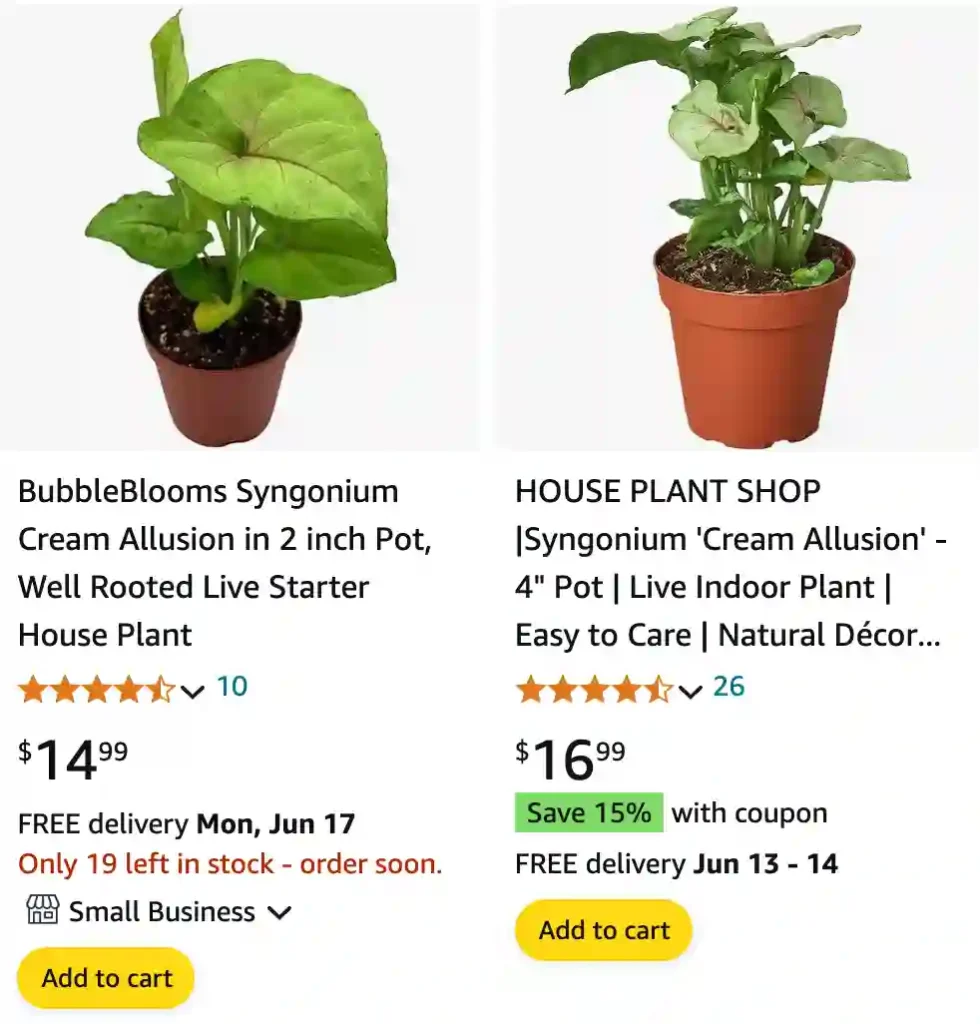
Introduction: The Allure of Syngonium Cream Allusion
The Syngonium Cream Allusion, a captivating variety of the popular Arrowhead Plant, stands as a testament to nature’s delicate artistry and adaptability. Its distinctive creamy-green leaves, often subtly infused with a delicate pink blush and adorned with light pink veins, imbue any indoor space with a calming and elegant presence. This unique aesthetic, coupled with its manageable care requirements, has cemented its status as a cherished favorite among both seasoned plant enthusiasts and burgeoning indoor gardeners.
Botanically known as Syngonium podophyllum ‘Cream Allusion’, this cultivar belongs to the diverse and widely appreciated Araceae family, often referred to as the Aroid family. This botanical lineage connects it to other popular houseplants like Pothos and Philodendron, which often share similar care needs. Its versatility allows it to grace various indoor settings, from compact tabletop displays to cascading hanging baskets or even climbing supports as it matures.
This article transcends a mere factual care guide; it embarks on a personal journey, a “time-lapse” narrative chronicling the transformation of this exquisite plant from a humble cutting to a flourishing indoor oasis. Through this unique lens, the practical, evidence-based advice on cultivation intertwines with the lived, rewarding experience of nurturing a living entity through its various life stages. This approach aims to illustrate the profound satisfaction derived from observing and facilitating the growth of a plant, fostering a deeper connection that extends beyond simple aesthetics to the rewarding dedication of a gardener’s touch. The progression of the plant, meticulously observed and recounted, highlights the dynamic relationship between cultivator and cultivated, enriching the understanding of its needs and responses over time.
Chapter 1: Unveiling the Syngonium Cream Allusion: A Botanical Profile
Origin and Classification
The Syngonium Cream Allusion, scientifically designated as Syngonium podophyllum ‘Cream Allusion’ , is a specific cultivar within the broader
Syngonium genus. This genus is a member of the Araceae family, a large and diverse group of flowering plants commonly known as the Aroid family. Members of this family are often recognized for their distinctive spathe and spadix inflorescences, though these are rarely seen in indoor cultivated Syngoniums.
The natural habitat of Syngonium podophyllum spans the tropical rainforests of southern Mexico, extending through the West Indies, and into Central and South America. This tropical provenance is fundamental to understanding the plant’s inherent requirements for warmth, high humidity, and filtered light when cultivated indoors. Its native environment, characterized by dappled sunlight filtering through a dense canopy, directly informs the ideal conditions for its successful growth in a home setting.
Distinctive Characteristics
The allure of the ‘Cream Allusion’ largely lies in its exquisite foliage. The leaves are typically medium-sized, showcasing a delicate creamy-green hue, often subtly infused with soft pink tones. A closer inspection reveals subtle green veins, and notably, new leaves often display bright pink, almost red, venation, which adds a dynamic visual element as the plant matures.
A fascinating aspect of Syngoniums is their morphological transformation as they age. Young, or juvenile, plants exhibit the classic arrowhead, ovate, or heart-shaped leaves that give the plant its common name. However, as the plant matures and begins its natural climbing habit, its foliage undergoes a significant shift. The leaves become more lobed, narrower, or even deeply divided into 5 to 11 distinct leaflets, a form known as pedate. This dramatic change in leaf shape is a key visual marker of the plant’s progression from its juvenile to adult stage.
In terms of growth habit, ‘Cream Allusion’ begins as a compact plant. With maturity, it naturally develops a climbing or trailing habit. This adaptability allows it to be cultivated as a bushy tabletop plant through regular pruning, or as an elegant vining specimen when provided with a moss pole or allowed to cascade from a hanging basket. A notable characteristic of ‘Cream Allusion’ is its tendency for “heavy suckering” , meaning it produces numerous new shoots from its base. This trait naturally contributes to a full and bushy appearance, even as it develops its vining stems.
Indoors, the ‘Cream Allusion’ typically reaches a height of 12 to 18 inches. However, if allowed to vine and provided with support, it can extend significantly, reaching lengths of 3 to 6 feet. In its native wild environment, these vines can climb impressively, ascending trees to heights of 10 to 20 meters or more. As a perennial plant, with diligent care, a Syngonium Cream Allusion can thrive and enrich an indoor space for a decade or even longer, becoming a long-term botanical companion.
Time-Lapse Vignette 1: The First Glimmer – From Cutting to Rooted Hope (Weeks 1-4)
My personal journey with ‘Cream Allusion’ didn’t begin with a seed, but with a hopeful stem cutting. I recall carefully selecting a healthy, vibrant section from a friend’s mature plant, ensuring it had at least two or three nodes – those tiny, miraculous bumps where new life emerges. The air was thick with anticipation as I gently placed the cutting in a clear jar of filtered, room-temperature water, positioning it in a spot that received abundant, bright, indirect light. For the first week, I’d check daily, seeing no visible change, a test of patience. But by the end of week two, a tiny white nub appeared, then another, signaling the start of root development. Within four weeks, delicate, white roots, roughly an inch long, were clearly visible, a tangible testament to the plant’s inherent will to thrive and my budding success.
The Adaptive Nature of Syngonium and its Cultivation Implications
The consistent observation of Syngonium’s dramatic shift in leaf shape, from the simple arrowhead forms of juvenile plants to the more complex, lobed, or divided leaves of mature specimens, is more than just an aesthetic detail. This transformation represents a profound botanical adaptation, enabling the plant to optimize light capture as it ascends trees in its dense rainforest habitat. The plant literally alters its leaf morphology to maximize its photosynthetic efficiency at different light levels encountered during its climb.
For cultivators, this inherent adaptability offers a unique opportunity to influence the plant’s development. By understanding this natural progression, gardeners can make informed decisions about their plant’s form. Consistent pruning allows for the maintenance of the desired juvenile arrowhead shape and a compact, bushy habit. Conversely, by providing support structures like moss poles, the plant can be encouraged to vine, allowing it to express its natural climbing instinct and showcase its mature, more complex leaf forms. The ‘Cream Allusion’s’ specific trait of “heavy suckering” further reinforces its natural tendency to produce a full, bushy base. This characteristic makes it inherently suitable for compact indoor displays, even while retaining its potential for vining. This level of understanding empowers gardeners to align their cultivation goals with the plant’s natural biological drives, ensuring both the plant’s health and the achievement of desired aesthetic outcomes.
Chapter 2: Cultivating Cream Allusion: My Hands-On Care Guide
Light: The Spectrum of Illumination
Syngonium ‘Cream Allusion’ flourishes in bright, indirect light. Optimal placement includes areas near south-facing windows where light is filtered, or east and west-facing windows that provide ample indirect illumination. These conditions are crucial for maintaining the vibrant coloration of its foliage and promoting robust, healthy growth.
Conversely, exposing the plant to prolonged, direct sunlight, especially the harsh afternoon sun, is detrimental. Such exposure can scorch, bleach, or burn the delicate leaves, leading to irreversible damage. On the other hand, very low light conditions will significantly impede growth, resulting in spindly or leggy stems and a noticeable loss of the plant’s vibrant coloring and variegation. The plant’s ability to maintain its unique creamy-green and pink hues is directly tied to receiving adequate, yet diffused, light.
Watering: The Delicate Balance
The cornerstone of successful Syngonium care lies in maintaining consistently moist soil without allowing it to become soggy. The general guideline is to allow the top 1 to 2 inches, or approximately 50%, of the soil to dry out completely between waterings. During the active growing seasons of spring and summer, the plant’s thirst increases, necessitating more frequent watering, sometimes as often as twice a week. In contrast, during the cooler winter months, when the plant’s growth naturally slows, watering frequency should be significantly reduced.
When watering, it is essential to do so thoroughly until excess water drains from the bottom of the pot. A critical precaution is never to allow the plant to sit in standing water in its saucer, as this condition, often referred to as “wet feet,” is a primary cause of root rot, which can quickly lead to the plant’s demise. If the soil appears hydrophobic or struggles to absorb moisture effectively, an alternative method like bottom-watering—where the pot sits in a shallow tray of water for an extended period—can be highly effective.
The plant itself provides clear signals regarding its hydration needs. Droopy, limp leaves are a classic and immediate indicator of underwatering, signaling that the plant is thirsty and requires prompt attention. If the plant is left to go too dry for an extended period, the lower, older leaves will typically dry up and turn brown, serving as a more severe symptom of dehydration. Recognizing and responding to these cues is vital for maintaining optimal plant health.
Humidity & Temperature: Recreating its Tropical Home
To truly thrive, Syngonium ‘Cream Allusion’ benefits greatly from an environment that mimics its tropical origins, characterized by high humidity and warm temperatures. The plant enjoys humidity levels of 40% to 50% or higher. Common methods to boost ambient humidity include regular misting of the leaves, using a dedicated humidifier, or placing the plant on a pebble tray filled with water. Naturally more humid areas within the home, such as kitchens or bathrooms, can also provide a beneficial microclimate. Insufficient humidity is a frequent cause of dry, brown leaf tips and edges, indicating the plant’s distress.
In terms of temperature, ‘Cream Allusion’ prefers consistently warm conditions, with an optimal range of 16°C to 27°C (60°F to 85°F). It is paramount to protect the plant from cold drafts, sudden temperature fluctuations, and temperatures dropping below 15°C to 16°C, as extreme cold can severely stress the plant and inhibit its growth. While the plant can tolerate a broader range of temperatures, from as low as 5°C to as high as 43°C, prolonged exposure to these extremes should be avoided to prevent stress and damage. Maintaining stable, warm, and humid conditions is key to its lush development.
Soil & Fertilization: Nurturing Growth from the Ground Up
The foundation of a healthy Syngonium ‘Cream Allusion’ lies in its potting medium. The plant requires a rich, well-draining potting mix that effectively balances good aeration with adequate water-holding capacity. A mix specifically formulated for tropical plants or aroids is highly recommended. Alternatively, a custom blend often proves effective, incorporating components such as peat, perlite, and standard potting soil. Specific proven mixes include a blend of 1/2 potting soil, 1/4 coco coir, and 1/4 charcoal & pumice. Another effective substrate recipe includes 15% chunky orchid bark, 15% Leca, 15% perlite, and 60% tropical soil, emphasizing chunkiness for drainage. The ideal soil pH for Syngoniums is acidic, typically ranging from 5.5 to 6.5.
Regarding fertilization, a consistent schedule during the active growing season is beneficial. During spring and summer, the plant should be fertilized approximately once a month. It is crucial to use a balanced liquid houseplant fertilizer, diluted to half strength, to prevent nutrient burn, which can damage the plant’s roots. A specific NPK (Nitrogen-Phosphorus-Potassium) ratio of 3-1-2 has been noted as effective for optimal growth. Fertilization should be entirely withheld during the fall and winter months, as the plant’s growth naturally slows, and it enters a period of semi-dormancy. Over-fertilization during these periods can lead to salt buildup and root damage.
Time-Lapse Vignette 2: The Growth Spurt – Watching New Leaves Unfurl (Months 1-3)
Once my ‘Cream Allusion’ cutting had developed a healthy root system, I carefully transplanted it into its first proper pot, filled with a custom-blended, well-draining aroid mix. The initial month was a period of gentle acclimation, ensuring it received consistent, bright, indirect light from my east-facing window. I quickly learned its watering rhythm: a thorough soak only when the top inch of soil felt completely dry, always vigilant to prevent any sogginess. Then, the true magic of its growth spurt began. New leaves unfurled with remarkable speed, one after another, each a delicate creamy-green adorned with that signature pink blush. It was a visual explosion of vitality, confirming its happiness in its new home. As it entered its second month, I introduced a monthly feeding routine with diluted liquid fertilizer, and the plant responded with even more vigor, its small, arrowhead leaves rapidly forming a lush, compact bush.
The Interconnectedness of Care Factors and Plant Health as a Feedback System
Observation of Syngonium’s health reveals that plant problems are rarely isolated incidents but rather symptoms arising from a complex, interconnected system of care factors. For instance, the common issue of yellowing leaves is most frequently a primary indicator of overwatering, which directly leads to root rot. This means that the visible symptom (yellow leaves) is a downstream effect of an underlying issue (excessive moisture at the roots). Similarly, low humidity or insufficient watering directly manifests as dry, brown leaf tips. The plant’s appearance, therefore, serves as a dynamic feedback mechanism, where it “communicates” its distress through visible changes.
Furthermore, issues like leggy growth and the undesirable loss of vibrant variegation are direct consequences of inadequate light exposure. The choice of an optimal soil mix, designed to balance aeration and moisture retention, directly impacts root health, preventing conditions conducive to rot and underpinning the plant’s overall vigor. A plant experiencing stress due to imbalances in light, water, or nutrients becomes significantly more susceptible to pest infestations. This holistic perspective elevates plant care from a series of disconnected tasks to a comprehensive understanding of the plant’s physiological needs. It empowers the gardener to interpret these signals, proactively adjust care routines, and foster a more intuitive and successful gardening experience, leading to more consistent and rewarding outcomes.
Chapter 3: Expanding Your Collection: Propagation & Pruning Secrets
Propagation: Multiplying Your Green Joy
Syngoniums are widely celebrated for their ease of propagation, making them an ideal choice for expanding one’s collection or sharing with fellow plant enthusiasts. This robust regenerative capacity allows gardeners to readily multiply their beloved ‘Cream Allusion’.
Stem Cuttings (Water Method – A Gardener’s Favorite): This is often the most popular method due to its visual appeal and straightforward nature.
- Selection: Begin by choosing a healthy, vibrant stem section from a mature plant. This section should ideally have at least two to three leaves and, crucially, a minimum of two to three nodes—these are the small bumps or points where leaves join the stem, and where new roots will emerge. The presence of aerial roots already on the stem can significantly increase the success rate of rooting.
- Cutting: Use clean, sharp scissors or pruning shears to make a precise cut, typically 4 to 6 inches long, just below a leaf node. Making the cut at a 45° angle can maximize the surface area available for water absorption.
- Preparation: Remove any leaves from the lower part of the stem that would be submerged in water to prevent them from rotting. Optionally, allowing the cut end of the stem to dry and “callous” for up to 24 hours can help prevent rot, and dipping it in rooting hormone can further stimulate root growth.
- Submersion: Place the prepared cuttings in a clear glass jar or vase filled with filtered, room-temperature water, ensuring that at least two to three nodes are fully submerged. To maintain freshness and prevent bacterial growth, change the water every 5 to 7 days.
- Placement: Position the jar in a location that receives bright, indirect light and maintains a consistently warm temperature, as these conditions are optimal for root development.
- Rooting Timeline: While some roots may become visible within 1 to 2 weeks , or 2 to 4 weeks , the typical rooting time for Syngoniums to develop a robust root system is generally 6 to 8 weeks. In cooler temperatures or lower light conditions, the process may take longer, up to 12 weeks.
- Transplanting: Once the new roots are approximately 1 to 2 inches (2.5 cm) long, the cuttings are well-established and ready to be transplanted into a well-draining potting mix.
Stem Cuttings (Soil Method): This method involves planting cuttings directly into a growing medium.
- Follow the initial steps for cutting preparation, including optional callousing and rooting hormone application.
- Plant the stem cuttings directly into a small pot filled with a well-draining potting mix, ensuring at least one node is buried beneath the soil surface. Sphagnum moss is also an excellent rooting medium for this method due to its moisture retention and aeration properties.
- Maintain consistent moisture in the soil, keeping it damp but never waterlogged.
- For accelerated rooting, placing the potted cutting inside a clear plastic container, often referred to as a “prop box,” can significantly boost humidity and encourage faster root development by creating a miniature greenhouse effect.
- Roots typically develop within 4 to 6 weeks using this method.
Division: Propagating by dividing a mature Syngonium plant is also a viable option, particularly for larger, established specimens. However, this method can be trickier, especially with older plants whose root balls may be dense and intertwined. It involves carefully separating the plant into smaller sections, each with its own root system.
Optimal Timing: The best time to propagate Syngoniums is during their active growing season—spring, summer, and early fall—as warmer temperatures naturally encourage faster root growth and overall success.
Pruning: Shaping for Bushiness or Encouraging Vining
Pruning is a vital practice for maintaining the health and desired aesthetic of the Syngonium ‘Cream Allusion’. It serves multiple purposes: it helps maintain a compact, bushy shape, removes unwanted climbing or leggy stems, and encourages the plant to produce new, fuller growth from dormant nodes. Regular pruning can prevent the plant from becoming unruly or sparse.
When pruning, always make cuts just above a leaf node, as this is the point from which new growth will emerge. It is crucial to use clean, sharp, and sterilized pruning tools to ensure clean cuts and prevent the transmission of diseases. The optimal time for pruning is during the plant’s active growing season, typically from spring through late summer, when it can most readily recover and produce new growth.
A critical safety precaution must be observed: due to the plant’s toxic sap, which contains calcium oxalate crystals, it is essential to wear gloves when handling and pruning Syngoniums to prevent skin irritation.
Repotting: Refreshing its Home for Continued Growth
Syngoniums are known as fast growers and will quickly fill their pots with roots. Therefore, repotting is typically needed every 1 to 2 years , or whenever roots are observed beginning to emerge from the pot’s drainage holes. While the plant can tolerate being slightly pot-bound, excessive root crowding can hinder its ability to absorb water and nutrients, ultimately stunting its growth. Some sources suggest repotting every other year as a general guideline.
The best time to repot is in the spring, as the plant emerges from its semi-dormant winter phase and enters a period of active growth. This timing allows the plant to recover quickly and establish itself in its new container. When repotting, select a new container that is only 1 to 2 inches larger in diameter than the current one. It is imperative that the new pot has ample drainage holes to prevent waterlogging, which can lead to root rot.
Before repotting, it is advisable to water the plant thoroughly a couple of days prior to minimize stress during the transition. Gently remove the plant from its old pot, and carefully massage the root ball to loosen the roots, encouraging them to spread into the fresh potting mix. Fill the new pot with a fresh, well-draining potting mix, ensuring the plant is positioned at a similar depth as before. After repotting, place the plant in a bright, indirect light location and water it thoroughly to help it settle into its new home.
Time-Lapse Vignette 3: The Maturing Vine – Embracing its Climbing Nature (Months 6-12)
As my ‘Cream Allusion’ approached its first year, its growth truly accelerated, moving beyond its initial bushy phase. The compact form I started with began to stretch, sending out longer, more ambitious stems, clearly hinting at its natural vining habit. I decided to support this inclination, gently guiding some of its stems onto a small moss pole. It eagerly latched on, and I watched, fascinated, as its newly emerging leaves subtly shifted shape, becoming slightly more lobed and complex – a clear, visual marker of its maturity. Regular pruning became essential during this period, not just for shaping but for directing its energy into lush, dense growth rather than sparse, leggy vines. This phase was about understanding and guiding its natural inclinations, allowing it to express its full potential while maintaining its elegant beauty.
Cultivation as a Dialogue with the Plant’s Biology
The detailed processes of propagation, pruning, and repotting illuminate a deeper truth about plant care: it is an ongoing, adaptive dialogue between the gardener and the plant’s inherent biological drives. The Syngonium’s robust regenerative capacity, evident in its ease of propagation through stem cuttings and division, highlights its natural vigor. This inherent trait allows for easy multiplication, but it also means the plant is constantly striving for growth.
The deliberate choices a gardener makes—such as consistently pruning to maintain a compact, bushy form, or providing support to encourage its natural vining habit—represent direct and active interactions with the plant’s growth patterns. Similarly, the recommended repotting frequency is a direct response to its “fast grower” nature and its tendency to become root-bound. This collective understanding underscores that successful cultivation is not merely about following a prescriptive set of rules, but rather engaging in a dynamic interaction with the plant’s biological impulses. It involves observing the plant’s responses, anticipating its needs, and adapting care to either encourage specific growth forms or manage natural tendencies. This nuanced perspective empowers the gardener to respond proactively to the plant’s signals, fostering a more intuitive and ultimately more successful gardening experience.
Chapter 4: Navigating Challenges: Common Issues & Troubleshooting
Pests & Diseases: Vigilance and Remedy
Even with optimal care, Syngonium ‘Cream Allusion’ can occasionally encounter pests and diseases. Consistent vigilance is key to early detection and effective management.
Common Pests: Gardeners should be on the lookout for common houseplant pests such as aphids, mealybugs, spider mites, thrips, and fungus gnats. These tiny invaders can quickly compromise plant health if left unchecked.
Signs of Infestation: Visible indicators of a pest problem include yellowing leaves, an overall unhealthy or stunted growth, the presence of fine webs (characteristic of spider mites), sticky residue known as honeydew (excreted by aphids and mealybugs), or small bumps and spots on the foliage.
Treatment Protocol: For initial or minor infestations, physically dislodging as many adult bugs as possible by showering the plant with lukewarm water can be effective. This should be followed up by spraying the plant with insecticidal soap every 7 to 10 days until the pests are completely eradicated. Consistent application is crucial for breaking the pest life cycle.
Common Diseases: Syngoniums can be susceptible to several diseases, predominantly bacterial and fungal in nature. These include bacterial leaf spots, characterized by translucent, yellowish, water-soaked lesions that often begin on the leaf margins. Erwinia cutting rot can cause rapid, mushy decay of cuttings. Xanthomonas blight, similar to bacterial leaf spot, is best controlled through prevention. Other potential issues include Cephalosporium leaf spot , general brown spot , and leaf rot.
Disease Control Strategies: Prevention is paramount in disease management. Using pathogen-free cuttings is a critical first step. Minimizing overhead watering is also very important, as splashing water can effectively spread bacterial pathogens from infected plants to healthy ones. Copper-based bactericides can be used for some bacterial issues. In severe cases of bacterial leaf rot, removing infected plant parts or even the entire plant may be necessary to prevent widespread contamination. Hot water treatment of infected stem cuttings for a specific duration and temperature has also proven effective in eradicating certain pathogens.
Troubleshooting Leaf Issues: Diagnosing and Fixing
The leaves of the Syngonium ‘Cream Allusion’ serve as vital indicators of its health, often displaying symptoms that point to specific care issues.
- Yellowing Leaves: This is most commonly a primary indicator of overwatering, frequently signaling the onset of root rot. It can also be attributed to low humidity or simply the natural aging process of older, lower leaves. Solution: Immediately reduce watering frequency, ensure the pot has excellent drainage, and assess ambient humidity levels. Yellowed leaves, once affected, typically cannot recover their green color and can be pruned off to improve aesthetics and redirect plant energy.
- Dry, Brown Leaf Tips/Edges: These symptoms are frequently caused by insufficient humidity or consistent underwatering. Solution: Increase humidity around the plant through misting, pebble trays, or a humidifier, and ensure the soil is kept consistently moist, avoiding prolonged dry periods.
- Limp or Wilting Leaves: This is a clear and immediate sign of underwatering, indicating the plant is thirsty. Syngoniums are quite communicative in this regard, dramatically drooping when dehydrated. Solution: Water the plant thoroughly and immediately. If the lower leaves become crispy and brown, it suggests prolonged and severe underwatering.
- Pale, Bleached, or Scorched Leaves: These are direct consequences of excessive exposure to direct sunlight, which can burn the delicate foliage. Solution: Relocate the plant to a spot that receives bright, indirect light.
- Lack of Growth: Stunted growth can indicate nutrient deficiencies (underfertilization), insufficient light, or the plant being severely pot-bound, restricting root development. Solution: Adjust light exposure, fertilize regularly during the growing season, and consider if repotting into a larger container is necessary.
- Spindly or Leggy Growth: This is typically a sign of inadequate light, where the plant stretches excessively to find more illumination. Solution: Move the plant to a brighter location with indirect light, consider supplementing with grow lights, and regularly prune to encourage a fuller, bushier appearance.
- Dark Brown Spots: The presence of dark brown spots on leaves may signal a bacterial infection.
- White Powdery Spots: These could be mineral deposits from hard water evaporation, pollen, or indicative of pests like mealybugs or a fungal disease such as powdery mildew. Solution: Gently clean the leaves and thoroughly inspect for pests or signs of disease.
- Loss of Color or Variegation: This often occurs when the plant is kept in lower light levels over a prolonged period, as variegation requires sufficient light to express itself. However, it is also important to note that Syngonium leaves can naturally change color and variegation patterns as they mature. Solution: If due to light, increase light exposure as appropriate.
Time-Lapse Vignette 4: Seasonal Shifts & Resilience – Adapting to Change (Year 1-2)
My ‘Cream Allusion’ became a profound teacher of resilience, both its own and mine. As the cooler months of winter approached, its vibrant growth naturally slowed, and I quickly learned the crucial rhythm of adjusting my watering – allowing the soil to dry out more significantly between drinks. There were moments of genuine concern: a few lower leaves yellowing, a clear sign I might have been a touch too generous with the watering can, or the tips browning slightly from the dry indoor air. Yet, by swiftly diagnosing these issues and making precise adjustments – ensuring better airflow, placing a pebble tray for increased humidity, and drastically reducing watering frequency – my ‘Cream Allusion’ consistently bounced back. This plant, despite its delicate appearance, proved remarkably forgiving, a true testament to its adaptability and my deepening understanding of its unique needs. By its second year, it stood as a robust, multi-stemmed beauty, a living testament to the power of patience, consistent observation, and responsive care.
Proactive Plant Health Management through Environmental Control
The comprehensive array of common problems and their solutions for Syngonium ‘Cream Allusion’ reveals a critical underlying principle: many “diseases” and issues are not merely external attacks but direct manifestations of environmental stress or suboptimal care. For example, bacterial infections are noted to spread via overhead watering, highlighting the importance of watering techniques. Furthermore, a “weakened or stressed plant, from poor lighting, nutrient deficiencies, or improper soil moisture, is much more susceptible to an infestation”. This strongly indicates that maintaining optimal care conditions—correct light, appropriate watering, ideal humidity, suitable soil, and balanced fertilization—serves as the primary and most effective defense mechanism against most plant problems.
This holistic view of plant health moves beyond simple reactive troubleshooting. It emphasizes that consistent, appropriate care is the cornerstone of plant health and resilience. By proactively cultivating the ideal growing environment, gardeners can significantly reduce the frequency and severity of issues. This approach fosters a preventative mindset, where understanding and meeting the plant’s fundamental needs becomes the most powerful tool for ensuring its long-term vitality and beauty.
Chapter 5: Beyond Beauty: Benefits & Considerations
Air Purifying Qualities: A Breath of Fresh Air
Beyond its captivating aesthetic appeal, the Syngonium ‘Cream Allusion’ offers tangible benefits, notably its remarkable air-purifying qualities. These plants are widely recognized as “strong air purifiers” , actively working to cleanse indoor environments. They achieve this by absorbing airborne toxins and impurities, transforming them into harmless byproducts.
Syngoniums are particularly effective at removing harmful Volatile Organic Compounds (VOCs) from the air. This includes substances like formaldehyde, which is commonly emitted from household items such as carpets, furniture, and insulation, as well as benzene and xylene. By filtering these harmful chemicals, Syngoniums contribute significantly to a healthier and cleaner indoor air quality, making living spaces more breathable and comfortable.
Furthermore, through a process known as transpiration, Syngoniums release moisture into the air, effectively acting as natural humidifiers. This increase in indoor humidity can be especially beneficial during dry seasons or in heated environments, alleviating common issues like dry skin, irritated eyes, and respiratory discomfort. The presence and care of plants like Syngonium have also been linked to reduced stress levels, elevated mood, and even increased productivity, contributing positively to overall mental well-being. They enhance oxygen levels, fostering a more invigorating and pleasant living environment.
Toxicity Alert: Essential Precautions for Pets and Humans
It is imperative for all plant enthusiasts to understand that Syngoniums, including the ‘Cream Allusion’ variety, are toxic to both humans and animals, including common household pets such as cats and dogs. The plant is rated as a “three on the toxicity scale,” indicating a moderate level of hazard upon ingestion.
The toxic agent within the plant is calcium oxalate crystals, which are present throughout its leaves, sap, and body. These microscopic crystals possess sharp, needle-like edges that cause irritation upon contact or ingestion. Symptoms of poisoning can include a range of reactions such as upset stomach, skin irritation, vomiting, severe mouth pain, excessive drooling, and difficulty swallowing.
Critically, swelling in the mouth area or throat can occur, which is a very dangerous symptom. This swelling can potentially obstruct airways and prevent proper breathing, particularly in young children. Such instances warrant immediate medical attention.
To ensure safety, it is essential to always wear gloves (gardening gloves or simple plastic ones) when handling Syngoniums, especially during potting, pruning, or moving the plant, to protect skin from the irritating sap. Additionally, individuals with sensitive skin may benefit from wearing long-sleeved shirts and pants to avoid accidental contact. Most importantly, place Syngonium plants out of reach of children and pets to prevent accidental ingestion.
Syngonium Varieties: A Comparative Look
The Syngonium genus boasts a remarkable diversity of cultivars, each offering unique foliage characteristics. While ‘Cream Allusion’ stands out with its creamy-green leaves and pink blush, understanding its distinctions from other popular varieties can help enthusiasts appreciate its specific charm and make informed choices for their collections.
| Variety Name | Key Leaf Description | Growth Habit & Care Notes |
| Syngonium ‘Cream Allusion’ | Medium-sized, creamy-green with subtle green veins and light pink blush; new leaves often show bright pink/red veins. | Compact when young, develops climbing/trailing habit; heavy suckering for bushy appearance. Easy care. |
| Syngonium ‘Pink Allusion’ | Light green leaves with distinct pink veins; some may have full pink leaves or pink spots. | Requires moderate light for best coloration; avoid overwatering. Very flexible with placement and watering. |
| Syngonium ‘Maria Allusion’ | Bronze-green leaves with a hint of pink. | Known for adaptability and ease of care. Water when soil is dry to the touch (1-2 inches deep). |
| Syngonium ‘White Butterfly’ | Creamy white leaves with green edges. | Very famous variety. |
| Syngonium ‘Gold Allusion’ | Lush, arrowhead-shaped foliage in vibrant green and gold hues. | Thrives in medium to bright indirect light; benefits from high humidity. Easy care, suitable for beginners. |
| Syngonium ‘Berry Allusion’ | Olive-green leaves with delicate pink veins and a light pink center. | Compact variety, typically 24 inches tall and 18 inches wide as a potted plant. Easy care. |
| Syngonium ‘Neon Robusta’ | Bright pink leaves, often large (around 6 inches long). | Retains vibrant color even in low-light conditions; can grow over 3 feet tall. |
| Syngonium Wendlandii | Dark green, velvety leaves with a striking white central vein. | Rarer variety, slightly more sensitive; prefers high humidity and indirect light. |
| Syngonium ‘Albo-Variegatum’ | White and green marbled leaves, each unique. | Requires bright, indirect light to maintain variegation; too little light can cause white areas to revert to green. |
The ‘Allusion’ series, which includes ‘Cream Allusion’, ‘Pink Allusion’, ‘Maria Allusion’, ‘Berry Allusion’, and ‘Gold Allusion’, is distinctive for its leaves having pink veins or pink coloring. These varieties often share similar care needs, making it convenient for collectors to cultivate multiple types without drastically altering their routines. While ‘Cream Allusion’ is noted for its heavy suckering and compact nature when young, varieties like ‘Neon Robusta’ can grow taller, and ‘Pixie’ is known for its ultra-compact growth habit. The fundamental care principles of bright, indirect light, consistent moisture, and high humidity remain largely consistent across most Syngonium types, allowing for a diverse yet manageable collection.
Conclusion
The journey of cultivating a Syngonium ‘Cream Allusion’ is a deeply rewarding experience, transforming a simple plant into a vibrant, living testament to nature’s beauty and resilience. From the hopeful beginnings of a stem cutting, through its rapid growth spurts and the fascinating morphological changes of its leaves, to its establishment as a mature, air-purifying presence, the ‘Cream Allusion’ offers a continuous narrative of life and adaptation.
This plant’s unique creamy-green foliage with its delicate pink blush provides a calming aesthetic, while its inherent adaptability makes it a forgiving companion for gardeners of all levels. Understanding its tropical origins guides the provision of optimal light, water, humidity, and soil conditions, which are not merely isolated factors but interconnected elements that dictate the plant’s overall health and vigor. The plant’s ability to communicate its needs through subtle changes in its leaves empowers the gardener to engage in a proactive, responsive relationship, fostering a deeper connection and ensuring its long-term vitality.
Beyond its visual appeal, the ‘Cream Allusion’ contributes significantly to a healthier indoor environment by actively purifying the air and acting as a natural humidifier. While its toxicity necessitates careful placement, the benefits of nurturing this plant—from the satisfaction of observing its growth to its positive impact on indoor air quality and mental well-being—far outweigh the considerations. The ease of propagation further allows for the expansion of one’s green sanctuary or the joyful sharing of this botanical treasure. Ultimately, the Syngonium ‘Cream Allusion’ is more than just a houseplant; it is a dynamic, evolving piece of living art that enriches its surroundings and provides a continuous source of fascination and accomplishment for its cultivator.

If i die, water my plants!