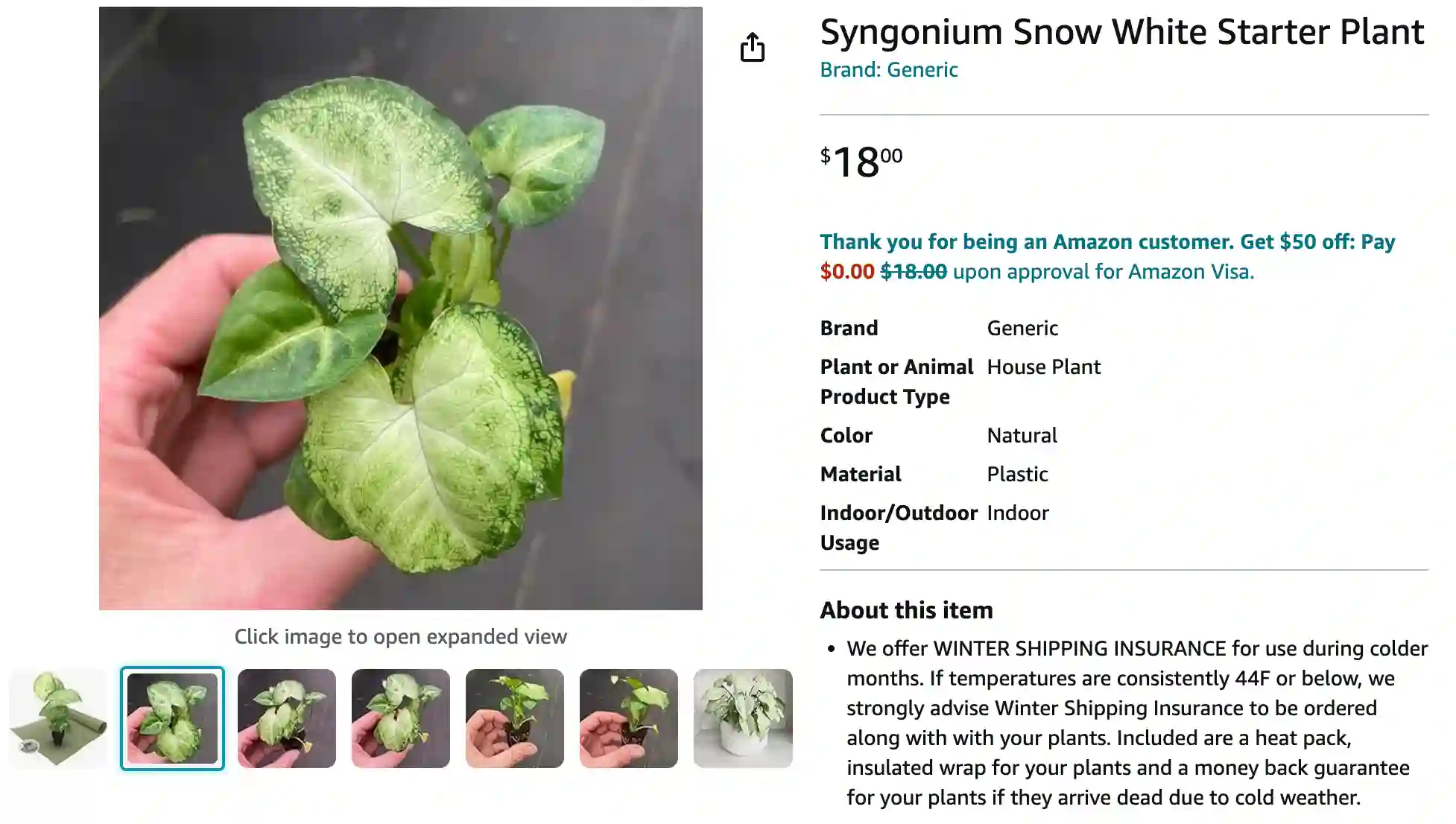
Introduction: A Green Companion’s Unfolding Story
The journey of cultivating a houseplant often begins with a simple fascination, a desire to bring a piece of nature indoors. For many plant enthusiasts, the Syngonium Snow White, with its captivating foliage, represents an irresistible allure. Its distinctive appearance, characterized by arrow-shaped leaves heavily variegated with creamy white, evokes the image of a dusting of fresh snow, making it a truly unique addition to any indoor collection. This particular cultivar, known for its compact and upright growth habit, appeals to both novice and experienced gardeners, largely due to its reputation as a relatively easy-care houseplant. The prospect of nurturing such a beautiful and manageable plant from its early stages to a flourishing specimen is a rewarding endeavor, promising a deep connection with the natural world.
The initial appeal of the Syngonium Snow White extends beyond its visual charm. Its accessibility and forgiving nature make it an ideal entry point for individuals venturing into plant care. This ease of maintenance establishes a positive expectation for a gardener’s experience, transforming the detailed care required into an achievable and enjoyable process rather than a daunting task. The plant’s ability to thrive with consistent, yet straightforward, attention reinforces its position as a gratifying companion, enriching the overall plant parenting experience.
Chapter 1: The First Glimmer of Life – Starting the Syngonium Snow White (Months 1-3)
Botanical Background: Unpacking the Syngonium Genus and ‘Snow White’s’ Place
The Syngonium Snow White belongs to the genus Syngonium, a group of flowering plants within the Araceae family, commonly known as aroids. These plants are indigenous to the tropical rainforests spanning southern Mexico, the West Indies, Central, and South America. In their natural habitat, Syngoniums are woody vines that can ascend to heights of 10-20 meters or more, clinging to trees with their aerial roots.
Among the various species within the genus, Syngonium podophyllum is the most widely cultivated and recognized. The ‘Snow White’ cultivar is a popular variant of this species, cherished for its unique variegation. The scientific name
podophyllum itself offers a clue to the plant’s appearance, deriving from Latin words meaning “with foot/feet-like leaves”. Beyond its scientific designation, the plant is known by several common names, including Arrowhead Plant, Arrowhead Vine, Goosefoot, and Nephthytis. Historically,
Syngonium was initially confused with the African genus Nephthytis, and this older name persists in common usage. This historical misidentification underscores the importance of precise botanical nomenclature in horticulture. While common names are convenient, relying solely on them can lead to confusion and potentially incorrect care practices, as plants with similar appearances but different needs might be mistaken for one another. Understanding the botanical classification ensures that gardeners can access accurate care information tailored to their specific plant, preventing common pitfalls that arise from misidentification.
Laying the Foundation: Choosing the Right Potting Mix and Initial Setup
Establishing a Syngonium Snow White successfully begins with selecting the appropriate potting medium. A well-draining soil mix is paramount to the plant’s health, primarily to prevent root rot, a prevalent issue for Syngoniums. Dense, heavy soils are problematic because they compact easily, expelling vital oxygen from the root zone and creating waterlogged conditions that are highly conducive to the growth of harmful fungi. This understanding of the soil’s role in aeration, not just moisture retention, is critical for long-term plant vitality.
An ideal aroid mix, which mimics the airy, fast-draining conditions of their natural habitat, typically includes a combination of peat-based soil, perlite, orchid bark, and coco coir. Optional additions like horticultural charcoal and worm castings can further enhance the mix. Each component plays a specific role: perlite and orchid bark promote aeration and drainage, preventing compaction, while coco coir and peat moss aid in moisture retention without becoming overly dense. This careful balance ensures that roots receive adequate oxygen while remaining consistently moist, a condition that supports robust growth and minimizes the risk of fungal infections. The plant’s natural climbing habit in the wild, where its roots are exposed to ample air circulation, explains why a chunky, breathable mix is far superior to standard potting soil for indoor cultivation.
Pot selection is equally important. Containers must have drainage holes to allow excess water to escape, preventing the soil from becoming waterlogged. When repotting, choosing a container that is one size larger than the original, or approximately 1-2 inches wider than the root ball, provides sufficient space for growth without overwhelming the plant with too much soil, which can delay drying and increase root rot risk.
| Ingredient | Approximate Ratio (Parts) | Primary Role |
| Coco Coir | 4-5 | Moisture retention, aeration, eco-friendly base |
| Perlite | 3-5 | Drainage, aeration, prevents compaction |
| Orchid Bark | 3-5 | Drainage, aeration, provides structure |
| Coco Chips | 1-3 (optional) | Drainage, aeration, moisture retention |
| Horticultural Charcoal | 1-2 (optional) | Nutrient retention, odor absorption, impurity removal |
| Worm Castings/Compost | 1-2 (optional) | Nutrient supply, beneficial microbes |
Bringing New Plants to Life: Propagation Techniques
The journey with a Syngonium Snow White often begins with a small cutting or a young starter plant. The experience of witnessing a new plant root and grow from such a humble beginning is particularly gratifying for a gardener. This process not only expands a collection but also deepens one’s understanding of plant life cycles.
Syngoniums are remarkably easy to propagate, primarily through stem cuttings. To take a healthy cutting, one should select a stem section that is 3-6 inches long, ensuring it includes at least one or two leaf nodes and ideally some aerial roots. A clean, sharp cut made just below a node, often at a 45-degree angle, maximizes the surface area for root development. Cuttings can be rooted in water, requiring regular water changes every few days to prevent rot, with roots typically emerging within 2-6 weeks. Alternatively, cuttings can be placed directly into moist potting mix, with a plastic bag or dome covering the pot to create a humid, greenhouse-like environment conducive to rooting. The success of propagation through cuttings and division highlights the plant’s inherent resilience and adaptability. This characteristic means that even if a main plant experiences issues, it can often be salvaged or multiplied, reducing the risk of complete loss and fostering a sense of continuous abundance for the gardener. This ease of propagation also allows for sustainable expansion of one’s collection or the sharing of plants with others, enhancing the communal aspect of gardening.
For more mature or overgrown plants, propagation by division is an effective method. This involves carefully removing the plant from its container, gently massaging away old soil from the rootball, and then using a clean, sharp knife to separate the rootball into smaller sections, ensuring each new section has a healthy root system attached. While less common, Syngoniums can also be grown from seeds collected from their berry-like pods, though this method requires specific germination conditions and is typically reserved for more advanced propagators. The optimal time for any propagation method is during the plant’s active growth phase, typically in early spring or summer, as this period offers the best chance for successful rooting and establishment.
Chapter 2: Nurturing Growth – The Flourishing Years (Months 4-12)
A Canvas of White and Green: Understanding ‘Snow White’s’ Unique Appearance
The Syngonium Snow White cultivar is particularly admired for its distinctive aesthetic. It is characterized by a compact, upright, and non-trailing growth habit, making it an excellent choice for tabletops and shelves. Its foliage features striking arrow-shaped to heart-shaped leaves, heavily variegated with creamy white speckles and marbling against a green background. The extent of this white variegation can subtly change depending on the light levels the plant receives and its maturity.
A fascinating aspect of Syngoniums, including the ‘Snow White’ variety, is their variable leaf morphology. Young, or juvenile, Syngonium leaves typically exhibit the classic arrowhead shape. However, as the plant matures and, especially if it is given a structure to climb, its leaves can undergo a remarkable transformation. They may become more lobed, eventually dividing into multiple distinct leaflets, ranging from three to as many as eleven. This change in leaf shape is not merely an aesthetic shift; it is an evolutionary adaptation that allows the plant to optimize light capture as it climbs through varying light conditions in its natural environment. For the indoor gardener, this means the plant’s appearance is a dynamic indicator of its maturity and the effectiveness of its growing environment. Providing a climbing support, such as a moss pole, can encourage the plant to express its full genetic potential in terms of leaf development, enhancing both its vitality and visual appeal.
While ‘Snow White’ is known for its compact form, Syngoniums are naturally climbing vines in their wild habitats, capable of reaching impressive heights of 10-20 meters. Indoors, gardeners can choose to either train these plants to climb using supports like trellises or moss poles, or maintain a bushier, more compact form through regular pruning. This adaptability in growth habit allows the Syngonium Snow White to fit various display preferences and spaces within a home.
Crafting the Perfect Climate: Optimal Growing Conditions
Providing the right environmental conditions is fundamental to the thriving of a Syngonium Snow White. Light is a crucial factor, with bright, indirect light being ideal for optimal growth and to maintain the plant’s vibrant variegation. Direct sunlight, especially intense afternoon sun, can scorch or bleach the delicate leaves, particularly the white variegated areas which are more susceptible to damage due to their lack of chlorophyll. Conversely, insufficient light can lead to a loss of the distinctive variegation, causing the leaves to revert to a duller green, and may also result in leggy, sparse growth as the plant stretches in search of more light.
Watering practices are equally vital. The plant prefers its soil to dry out partially between waterings, typically when the top 1-2 inches (or 5-10 cm) of the potting mix feels dry to the touch. Overwatering is a common pitfall, leading to waterlogged soil, root rot, and yellowing leaves. Conversely, underwatering can cause the leaves to turn brown and crispy, or lead to wilting and drooping. It is recommended to use room-temperature, chemical-free water, such as filtered tap water left out for 24 hours to allow chlorine to dissipate, or rainwater, to avoid shocking the roots or introducing harmful substances.
Humidity is another critical factor for Syngoniums, directly reflecting their tropical rainforest origins. These plants thrive in high humidity, with ideal levels ranging from 50% to 80%. Dry air can lead to brown, crispy leaf tips, particularly on the delicate white areas of variegated leaves which are more prone to dehydration. To maintain adequate humidity, gardeners can employ various methods, including regular misting, placing the pot on a pebble tray filled with water, grouping plants together to create a microclimate, or using a room humidifier. Even average household humidity might not be sufficient for optimal growth, making proactive humidity management essential.
Temperature preferences align with their tropical nature, with an ideal range between 60-85°F (16-30°C). Syngoniums are sensitive to cold drafts and temperatures consistently below 50-60°F (10-15°C), which can cause stress and foliage damage. Maintaining a stable, warm environment is key to their well-being.
Fueling the Journey: Fertilization for Vibrant Health
Proper nutrition is essential for a Syngonium Snow White to maintain its vibrant foliage and robust growth. During the active growing season, typically spring and summer, a balanced liquid fertilizer diluted to half strength is recommended. Fertilization should occur monthly or every 2-4 weeks, while during the cooler winter months, when the plant’s growth naturally slows, feeding should be withheld.
Beyond the primary macronutrients (Nitrogen, Phosphorus, Potassium, or NPK), it is important to recognize that a comprehensive nutrient profile is necessary for optimal plant health. Simple NPK fertilizers alone may not be sufficient, as micronutrients are crucial for various metabolic processes, including chlorophyll production in the green areas of variegated leaves. Nitrogen, in particular, plays a significant role in promoting lush, healthy leaf growth. The need for these trace elements indicates a more nuanced understanding of plant nutrition. Deficiencies in micronutrients can subtly impact the stability of variegation or the plant’s overall vigor, even if the primary NPK levels appear adequate. Therefore, selecting a fertilizer that provides a full spectrum of essential nutrients ensures the plant has all the building blocks it needs to thrive, maintaining its signature beauty and preventing subtle signs of stress or stunted development.
Shaping the Beauty: Pruning for Health and Aesthetics
Pruning is a valuable practice for managing the growth and appearance of a Syngonium Snow White. Regular trimming encourages a bushier, fuller plant and prevents it from becoming leggy, especially if it is a compact, non-trailing variety. Leggy growth, characterized by elongated stems with sparse leaves, is often an indication of insufficient light, as the plant stretches to find more illumination. By cutting just above a leaf node, gardeners can stimulate new growth from that point, promoting a denser, more attractive form.
Beyond aesthetics, pruning is a critical tool for managing the plant’s energy allocation. Removing weaker or overgrown stems allows the plant to redirect its resources to new, healthier shoots, leading to more robust overall growth. This active management of the plant’s structure, by influencing its natural growth hormones, ensures it remains vigorous and maintains its desired compact shape, rather than sprawling. It is advisable to wear gloves when handling and pruning Syngoniums, as their sap contains calcium oxalate crystals that can cause skin irritation. The optimal time for pruning is during the plant’s active growing season, from spring through late summer, as this allows for quick recovery and new development.
Chapter 3: Overcoming Obstacles – A Gardener’s Troubleshooting Guide (Year 1-2)
Decoding Plant Distress: Common Problems and Their Solutions
Even with diligent care, plants can exhibit signs of distress. Understanding these symptoms and their underlying causes is crucial for effective troubleshooting. The appearance of yellowing leaves on a Syngonium is most commonly attributed to overwatering, which can lead to root rot. However, excessive light exposure can also cause leaves to pale or yellow , and nutrient deficiencies may also contribute.
Browning leaves or crispy tips are typically indicators of low humidity or underwatering. Sudden temperature fluctuations or persistent cold drafts can also cause browning, signaling temperature shock to the plant. When leaves appear limp or droopy, it often points to underwatering ; however, paradoxically, severe root rot can also cause wilting because the damaged roots are unable to absorb water, even if the soil is wet. This overlap in symptoms underscores the importance of a systematic diagnostic approach. A gardener must first check the soil moisture to differentiate between a thirsty plant and one suffering from root damage, as this initial assessment guides the subsequent corrective action.
Leggy growth or a general lack of new development usually suggests that the plant is not receiving enough light, causing it to stretch for illumination. Underfertilization can also contribute to stunted growth. For variegated varieties like ‘Snow White’, a common concern is the loss of variegation, where the white patterns fade and the leaves become predominantly green. This is almost always a result of insufficient light, as the plant attempts to produce more chlorophyll to compensate for inadequate energy. A less common but specific issue for Syngoniums is edema, which manifests as discoloration or translucent spots on leaves. This occurs when the plant takes in more water than it can utilize, causing cells to burst. While not a severe problem, it indicates a need to allow the soil to dry out a bit more between waterings.
Understanding that many symptoms can have multiple, sometimes contradictory, causes is key. These visible signs are indicators of stress or an imbalance in the plant’s fundamental physiological processes, such as photosynthesis or water uptake. Therefore, effective troubleshooting requires a methodical approach, beginning with the most common and easily verifiable factors like soil moisture and light levels, before exploring more complex issues such as nutrient deficiencies or pest infestations. This approach transforms the gardener into a plant detective, sharpening their diagnostic skills over time.
| Symptom | Likely Cause(s) | Solution(s) |
| Yellowing Leaves | Overwatering, Root Rot, Excessive Light, Nutrient Deficiency | Adjust watering, Check roots for rot, Reduce light intensity, Fertilize appropriately |
| Browning Leaves/Tips | Low Humidity, Underwatering, Temperature Shock | Increase humidity, Adjust watering, Ensure stable temperatures |
| Wilting/Drooping | Underwatering, Root Rot | Adjust watering (check soil moisture first!), Treat root rot if present |
| Leggy Growth/Lack of Growth | Insufficient Light, Underfertilization | Move to brighter indirect light, Fertilize during growing season |
| Loss of Variegation | Insufficient Light | Move to brighter indirect light, Consider grow lights |
| Edema (discoloration/spots) | Overwatering (excess water uptake) | Allow soil to dry more between waterings |
Guarding Against Invaders: Identifying and Treating Pests
Syngoniums, while generally resilient, can occasionally fall victim to common houseplant pests. These include mealybugs, spider mites, aphids, thrips, and scale insects. Mealybugs appear as small, white, fuzzy masses that feed on plant sap, leading to stunted growth. Spider mites are tiny pests that cause yellowing leaves and leave fine webbing. Aphids are small, soft-bodied insects that cluster on new growth and feed on plant juices. Scale insects are flat, oval-shaped pests that attach to stems and leaves, also feeding on sap. Thrips are slender, tiny insects that cause silvery speckling on leaves.
For managing these pests, natural and targeted solutions are often preferred. Wiping leaves with a damp cloth can physically remove some pests, and increasing humidity can deter spider mites. Insecticidal soap is a highly effective option against soft-bodied pests like aphids, mealybugs, spider mites, whiteflies, and thrips. This soap works by breaking down the protective waxy coating on the insects’ bodies, causing them to dehydrate and die on contact. A homemade solution can be prepared by combining 1 tablespoon of pure liquid soap (like Castile soap) with 1 quart of water. When applying, it is crucial to spray directly onto the pests, ensuring thorough coverage, especially on the undersides of leaves where many pests hide. It is best applied in the early morning or late evening when temperatures are cooler and the plant is out of direct sunlight to prevent leaf burn.
Neem oil serves as both a preventative measure and a treatment. It acts systemically, meaning the plant absorbs it, and pests are affected when they feed on the plant. Neem oil interferes with insect feeding, growth, and egg-laying capabilities, effectively stopping their proliferation and eventually starving them. A common recipe involves mixing 1/2 cup of neem oil with 1 gallon of water. While highly effective, neem oil should also be applied in the morning or evening to avoid leaf burn, and it is generally recommended for weekly application during infestations, rather than daily, to prevent overburdening the plant.
The distinction between insecticidal soap and neem oil lies in their mode of action. Insecticidal soap offers immediate contact kill, physically destroying cell membranes, making it excellent for rapid knockdown of existing populations. Neem oil, on the other hand, provides longer-term protection by disrupting pest life cycles and acting as a repellent. This understanding of their different mechanisms allows for a more strategic approach to pest management. For instance, combining both (e.g., 5 ml neem oil, 2 ml dish soap, 1 liter water ) can offer a powerful dual-action treatment, targeting pests through immediate contact while also providing systemic, long-term disruption. This integrated pest management approach, emphasizing regular monitoring and early intervention, leads to more effective and sustainable plant protection.
The Silent Threat: Preventing and Treating Root Rot
Root rot is arguably one of the most devastating issues for houseplants, and Syngoniums are particularly susceptible if conditions are not ideal. The initial signs of root rot are often hidden beneath the soil, where healthy, firm, white roots turn brown or reddish and become mushy. Above ground, symptoms can include yellowing, wilting, or drooping leaves that persist even when the soil feels wet, indicating that the roots are no longer effectively absorbing water. A telltale sign is often a foul, musty smell emanating from the potting mix.
The primary cause of root rot is waterlogged soil, which encourages the proliferation of soil-borne fungi that thrive in anaerobic (low oxygen) conditions. This highlights that the problem is not merely overwatering, but the resulting lack of oxygen at the root level. Therefore, prevention is far more effective than treatment, as visible symptoms often indicate significant damage has already occurred. Key preventative strategies include ensuring excellent drainage through the use of an appropriate, well-draining potting mix, such as an aroid blend. Pots must always have drainage holes to allow excess water to escape. Proper watering techniques are paramount: allowing the top layer of soil to dry out between waterings and never letting the plant sit in standing water in a saucer are crucial steps. It is a common misconception that a layer of rocks or pebbles at the bottom of a pot improves drainage; research indicates this actually inhibits it, as water will only percolate into this layer once the entire potting mix is saturated.
If root rot is suspected and caught early, treatment is possible. The most effective approach involves carefully removing the plant from its container and gently shaking away as much of the old, infected soil as possible. The roots should then be thoroughly washed in lukewarm water to remove remaining debris and allow for a clear inspection. Using sterilized cutting tools, all mushy, brown, or black roots must be trimmed away, cutting into healthy, firm tissue to ensure no diseased parts remain. Optionally, the remaining healthy roots can be treated with sulfur powder, cinnamon (a natural fungicide), or a systemic fungicide to prevent reinfection. The plant should then be repotted into a fresh batch of well-draining potting mix. In cases where root rot has spread extensively, discarding the entire plant may be the safest option to prevent further contamination. This proactive approach to managing soil moisture and oxygen levels is fundamental to the long-term health of Syngoniums.
Safety First: Understanding Syngonium Toxicity
While visually appealing, it is critical for gardeners to be aware that all parts of the Syngonium plant contain insoluble calcium oxalate crystals, making them toxic if ingested. These needle-like crystals can cause immediate and severe irritation upon contact or ingestion.
Symptoms of ingestion can include intense mouth pain, burning sensations in the mouth, tongue, and throat, drooling, difficulty swallowing, nausea, and vomiting. Direct contact with the sap can also lead to skin irritation and has the potential for eye damage. This detailed understanding of the mechanism of toxicity—the mechanical irritation caused by the sharp crystals—underscores the importance of stringent safety measures. While often described as non-lethal , the severe discomfort necessitates immediate action.
Syngoniums are toxic to both humans and common household pets, including cats, dogs, and horses. Therefore, it is imperative to keep these plants out of reach of small children and pets. When handling or pruning the plant, especially when cutting stems or leaves, wearing gloves is strongly advised to prevent skin irritation from the sap. In the event of suspected ingestion by a pet or child, prompt contact with a veterinarian or poison control center is recommended for guidance and assistance. This proactive approach to household safety is an integral part of responsible plant custodianship.
Chapter 4: Beyond My Pot – The Syngonium Family and Its Wonders
‘Snow White’ in Context: Comparing Varieties
The genus Syngonium boasts an impressive diversity of cultivars, offering a wide spectrum of leaf colors, patterns, and shapes that extend far beyond the classic green. These variations include stunning shades of pink, red, and various forms of white variegation, making Syngoniums a popular choice for collectors seeking unique foliage.
To fully appreciate the Syngonium Snow White, it is helpful to compare it with other popular variegated varieties:
| Variety Name | Key Appearance Traits | Growth Habit | Key Care Notes |
| ‘Snow White’ | Arrow-shaped to heart-shaped leaves, heavily speckled and marbled with creamy white against green. | Compact, upright, non-trailing. | Requires bright, indirect light to maintain variegation; sensitive to direct sun. |
| ‘White Butterfly’ | Creamy white leaves with distinct green edges; leaves become more white and resemble a butterfly as they mature. | Can be bushy when young, but tends to trail/climb with maturity. | Popular and relatively easy care; needs bright, indirect light for best color. |
| ‘Imperial White’ | Almost entirely white leaves with minimal green variegation, making it a striking statement plant. | Compact to slightly trailing. | Rare and prized; needs very bright, indirect light and consistent high humidity to prevent browning of white areas. More sensitive due to less chlorophyll. |
| ‘Albo-Variegatum’ | Dark green leaves heavily marbled and splashed with white, creating unique patterns on each leaf. | Climbing vine. | Requires bright, indirect light to maintain variegation; too little light can cause reversion to green. Pink hue on stems with sufficient light. |
| ‘Pixie’ | Small, compact leaves in a mix of pale and deep green; never grows taller than 8 inches. | Compact, bushy, non-trailing. | Stands out for its diminutive size; ideal for small spaces. |
The degree of white variegation directly influences a Syngonium’s care requirements. Varieties with more white, such as ‘Imperial White’, have less chlorophyll for photosynthesis. This means they require more intense
indirect light to produce sufficient energy, but are simultaneously more susceptible to scorching from direct sunlight. They also tend to be more sensitive to environmental fluctuations and require higher, more consistent humidity to prevent the delicate white areas from browning. This explains why varieties like ‘Imperial White’ are considered “rare and prized” —their exceptional beauty comes with increased fragility and demands more precise environmental control from the gardener. Understanding this relationship between variegation and physiological needs allows gardeners to make informed decisions when selecting new plants, aligning their choice with their experience level and willingness to provide specific care.
The Art of Variegation: Development, Stability, and Reversion
Variegation in plants, including Syngoniums, is often the result of a genetic mutation, leading to areas of the leaf that lack chlorophyll, appearing white, cream, or other colors. The expression and stability of this variegation are influenced by a complex interplay of factors, including light exposure, temperature, humidity, and nutrient availability.
Maintaining the vibrant patterns of a variegated Syngonium is a key aspect of its care. Bright, indirect light is paramount for sustaining variegation. Without adequate light, the plant may try to compensate by producing more chlorophyll, causing the variegated areas to revert to solid green. Conversely, too much direct sunlight can burn the delicate white or pale areas of the leaves, which are more fragile due to their lack of chlorophyll. This delicate balance highlights the plant’s physiological response to its environment.
The concept of “stable vs. unstable variegation” is also important. While environmental factors can certainly influence variegation, the underlying genetic predisposition of a cultivar determines its inherent stability. Some varieties are genetically more stable and will hold their variegation consistently, while others may be more prone to reversion regardless of ideal care. Environmental stress, such as fluctuations in temperature, improper watering, or nutrient imbalances, can trigger or exacerbate reversion even in genetically stable plants.
For gardeners, this means that managing expectations is crucial. If a plant begins to revert, adjusting light conditions is the first step. Additionally, pruning off reverted green growth can sometimes encourage the plant to produce more variegated leaves, as it redirects energy away from the all-green sections. It is also important to understand that leaves that are entirely white, lacking any green, cannot photosynthesize effectively and will eventually brown and die. Pruning these all-white leaves can be beneficial for the overall health of the plant, as it allows the plant to allocate resources to more photosynthetically active parts. This active management, combined with a comprehensive understanding of both genetic and environmental influences, allows gardeners to maintain the stunning beauty of their variegated Syngoniums.
More Than Just Pretty Leaves: Syngonium’s Air-Purifying Capabilities
Beyond their aesthetic appeal, Syngonium plants offer a tangible benefit to indoor environments: air purification. A notable study conducted by NASA, known as the Clean Air Study, identified Syngonium podophyllum (referred to as Nephthytis in the study) as an effective plant for removing formaldehyde from contaminated air. In controlled conditions,
Syngonium podophyllum demonstrated significant efficiency, removing approximately 3849 micrograms of formaldehyde within the first seven hours of exposure.
This finding is particularly relevant for modern living spaces. Formaldehyde is a common volatile organic compound (VOC) that off-gases from various household materials, including urea-formaldehyde foam insulation, particleboard, fabrics, and other synthetic furnishings. In energy-efficient homes, where air circulation might be limited, these indoor air pollutants can accumulate to concerning levels, potentially impacting occupant health. The ability of Syngoniums to actively absorb and neutralize such harmful chemicals provides a significant health benefit, transforming them from mere decorative elements into functional components of a healthier home environment. This capability also holds implications for more enclosed systems, such as future space stations or submarines, where maintaining air quality through biological means is a critical aspect of life support systems. The plant’s contribution to improved indoor air quality adds a practical dimension to its ownership, aligning with growing interests in wellness and sustainable living practices.
Chapter 5: A Lifetime of Green – Displaying and Cherishing Your Syngonium (Year 2+)
Creative Displays: Styling Your ‘Snow White’
The Syngonium Snow White’s adaptable growth habit offers significant versatility in how it can be displayed, allowing gardeners to integrate it seamlessly into various interior design schemes. While the ‘Snow White’ cultivar is noted for its compact, non-trailing nature, Syngoniums in general can be encouraged to either maintain a bushy form or develop into graceful climbing or trailing vines.
For those preferring a compact look, regular pruning, as discussed previously, will encourage bushier growth, making the plant ideal for tabletops, desks, or as a vibrant accent on shelves. Alternatively, if a gardener wishes to embrace the plant’s natural vining tendencies, even with a compact cultivar, it can be trained to climb. Providing a moss pole, trellis, or other vertical support allows the plant to ascend, mimicking its wild habitat. The plant’s aerial roots will naturally cling to these structures. For a trailing display, the plant can be placed in a hanging basket or on a high shelf, allowing its stems to cascade elegantly over the edge. This flexibility in display options means that a single Syngonium can evolve with a gardener’s changing preferences or living space, offering long-term aesthetic versatility and allowing the plant to be a dynamic element in home decor.
Growing Pains and Gains: Repotting for Continued Health
Repotting is a crucial maintenance task that supports the long-term health and continued growth of a Syngonium Snow White. This fast-growing plant will typically require repotting every one to two years, or when clear signs indicate it has outgrown its current container. Indicators include roots emerging from the drainage holes, a noticeable slowdown in growth, or the plant becoming “root-bound,” where the root system fills the entire pot. The optimal time for repotting is in the spring, as the plant emerges from its semi-dormant winter phase and enters its active growing season, allowing for quicker recovery from the transplant shock.
When repotting, it is important to select a new container that is only one size larger than the previous one, typically 1-2 inches wider in diameter. Choosing a pot that is too large can lead to excess soil retaining too much moisture, increasing the risk of root rot. The process involves gently removing the plant from its old pot, carefully loosening any circling or compacted roots, and then placing it into the new pot filled with fresh, well-draining potting mix. After repotting, thoroughly watering the plant helps settle the new soil around the roots.
Repotting goes beyond simply providing more physical space for roots; it is vital for replenishing depleted nutrients in the soil. Over time, the potting mix breaks down and its nutritional content diminishes, which can lead to stunted growth and reduced vigor. Fresh soil provides renewed access to essential nutrients and maintains optimal aeration, directly fueling the plant’s continued vigorous growth. This proactive measure ensures that the Syngonium doesn’t just survive but continues to thrive and flourish over many years, maintaining its beauty as a long-term green companion.
An Ever-Evolving Green Story: Concluding Reflections
The journey of cultivating a Syngonium Snow White is a testament to the enduring joy and profound rewards that plant care can offer. From a small cutting to a vibrant, mature specimen, the plant’s growth unfolds as a continuous narrative of adaptation and resilience. The delicate dance between providing optimal light, water, humidity, and nutrients, while also understanding and responding to its subtle cues of distress, fosters a deep connection with nature.
The Syngonium Snow White, with its captivating white variegation, serves as a living reminder of nature’s artistry. Its ability to purify indoor air adds a layer of practical benefit to its undeniable beauty, contributing to a healthier living environment. The plant’s adaptability in growth habit, allowing it to be styled as a compact bush or a climbing vine, ensures it remains a dynamic and cherished element in any home for years to come. For those considering embarking on their own plant journey, the Syngonium Snow White stands as an encouraging choice—a beautiful, forgiving, and endlessly fascinating companion that promises a lifetime of green growth and rewarding experiences.

If i die, water my plants!