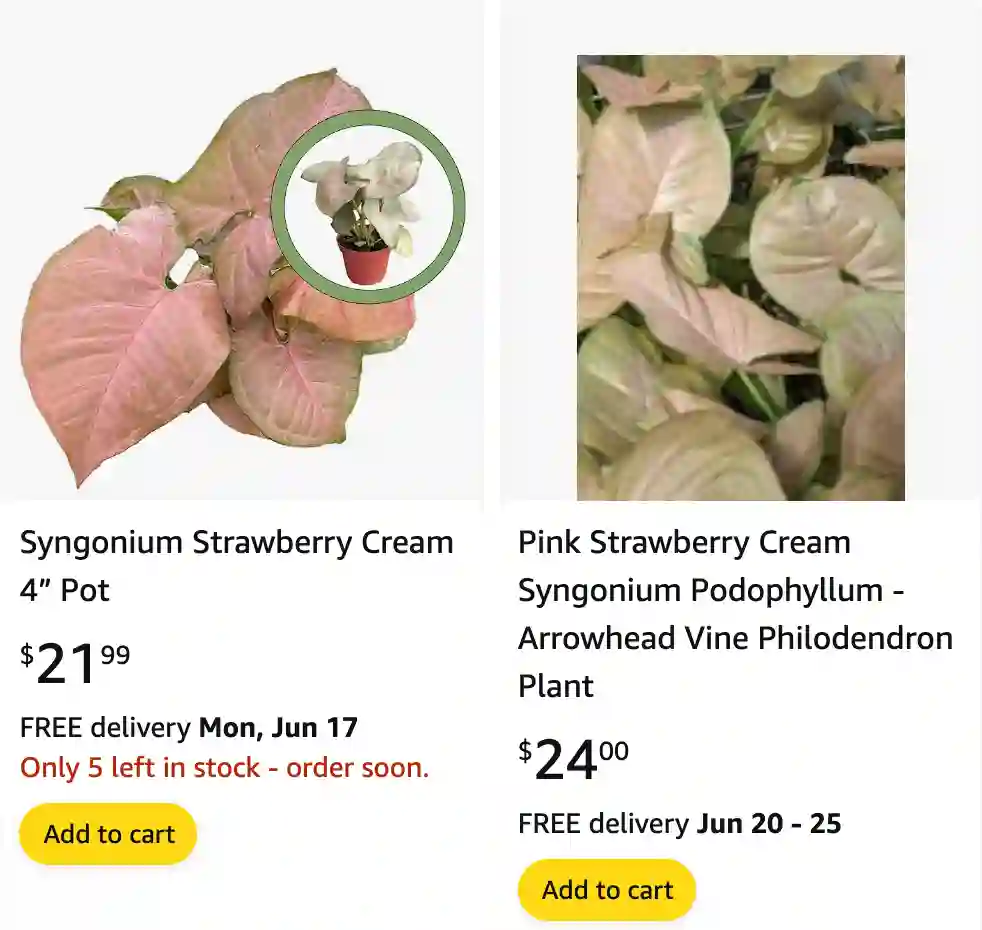
The world of houseplants is vast and enchanting, filled with a kaleidoscope of colors and forms. Among the most captivating is the Syngonium Strawberry Cream, a true gem that has stolen the hearts of plant enthusiasts with its unique, painterly foliage. Imagine leaves splashed with creamy whites, soft pinks, and vibrant greens, reminiscent of a delightful strawberry dessert. This plant isn’t just a visual treat; it’s a living testament to nature’s artistry, offering a dynamic display of growth and transformation.
In this comprehensive guide, we’ll delve deep into the world of the Syngonium Strawberry Cream, exploring its origins, understanding its specific care requirements, and troubleshooting common challenges. But beyond the technicalities, we’ll also embark on a unique journey – a one-year time lapse, told through the eyes of a gardener, chronicling the evolution of this charming plant from a small, hopeful cutting to a lush, mature specimen.
Unveiling the Syngonium Strawberry Cream
The Syngonium Strawberry Cream, scientifically known as Syngonium podophyllum ‘Strawberry Cream’, is a cultivar of the popular arrowhead plant. Native to the tropical rainforests of Central and South America, this plant is a member of the Araceae family, known for its diverse and often striking foliage.
What truly sets the ‘Strawberry Cream’ apart is its exquisite variegation. Its arrow-shaped leaves emerge with a delicate blend of creamy white, light green, and various shades of pink – from soft blush to deeper rose. The intensity of the pink can vary significantly depending on light conditions, making each new leaf a delightful surprise. As the plant matures, its leaves may transition from the classic arrowhead shape to a more lobed or deeply divided form, adding to its visual interest. This vining plant naturally seeks to climb, developing aerial roots that cling to surfaces, mirroring its arboreal habits in its native habitat.
Time Lapse Entry 1: The New Arrival – Month 1
It was a chilly autumn afternoon when she arrived. A small, unassuming 4-inch pot, nestled carefully in a box. I had seen pictures online, of course, but holding my very own Syngonium Strawberry Cream was different. Her leaves, still mostly arrowhead-shaped, were a soft, almost pastel pink, edged with a delicate green. She looked a bit shy, perhaps a little overwhelmed by her new surroundings. I found a spot for her on a shelf, near a north-facing window, ensuring bright, indirect light. I resisted the urge to water her immediately, checking the soil first. It felt just right – slightly damp. My first week with her was mostly observation. I misted her daily, a gentle shower that seemed to perk up her leaves. By the end of the month, a tiny, tightly furled new leaf bud was visible, a promising sign that she was settling in. It was a tiny victory, but a victory nonetheless.
The Art of Syngonium Strawberry Cream Care
Caring for the Syngonium Strawberry Cream is a rewarding experience, as this plant is relatively forgiving, making it suitable for both novice and experienced plant parents. However, understanding its specific needs will ensure it thrives and displays its most vibrant colors.
Light: The Key to Color
Light is arguably the most crucial factor in maintaining the ‘Strawberry Cream’s’ stunning pink hues. It thrives in bright, indirect light.
- Ideal Placement: A few feet away from a south or west-facing window, or directly in an east-facing window, will provide the diffused brightness it craves.
- Avoid Direct Sun: Direct sunlight, especially harsh afternoon sun, can scorch its delicate leaves, leading to brown spots and faded coloration. The pink pigments are particularly sensitive to intense light.
- Too Little Light: Conversely, insufficient light will cause the plant to lose its vibrant pinks, reverting to a more predominantly green color. It may also lead to leggy growth, where the stems stretch out in search of light, resulting in a sparse appearance.
- Artificial Lighting: If natural light is scarce, a grow light can be an excellent supplement, ensuring consistent bright, indirect conditions.
Watering: Finding the Balance
Syngoniums prefer consistently moist but not waterlogged soil. Overwatering is a common pitfall that can lead to root rot.
- When to Water: The golden rule is to allow the top 1-2 inches of soil to dry out before watering again. You can check this by sticking your finger into the soil.
- How to Water: Water thoroughly until you see water draining from the bottom of the pot. This ensures the entire root ball is hydrated.
- Drainage is Crucial: Always use a pot with drainage holes to prevent water from accumulating at the bottom, which can suffocate roots.
- Seasonal Adjustment: Watering frequency will vary with the seasons. During the active growing seasons (spring and summer), you’ll likely water more frequently (perhaps every 1-2 weeks). In fall and winter, when growth slows, reduce watering (every 2-4 weeks or as needed).
- Signs of Under/Overwatering:
- Underwatering: Drooping leaves, crispy brown edges, stunted growth.
- Overwatering: Yellowing leaves, mushy stems, wilting despite wet soil (a sign of root rot).
Humidity: A Tropical Comfort
As a tropical plant, Syngonium Strawberry Cream appreciates higher humidity levels, ideally between 40-60%. While it can tolerate average household humidity, consistent low humidity can lead to crispy leaf edges and slower growth.
- Increase Humidity:
- Misting: Regular misting (daily or every other day) can provide a temporary boost, though it’s not a long-term solution.
- Pebble Tray: Place the pot on a tray filled with pebbles and water, ensuring the pot itself doesn’t sit in the water. As the water evaporates, it increases humidity around the plant.
- Humidifier: For optimal results, especially in dry climates or during winter heating, a room humidifier is the most effective method.
- Grouping Plants: Grouping plants together can create a microclimate with higher localized humidity.
Temperature: Keeping it Cozy
Syngonium Strawberry Cream thrives in warm, stable temperatures, reflecting its tropical origins.
- Ideal Range: Maintain temperatures between 15°C to 26°C (60°F to 80°F).
- Avoid Extremes: Protect the plant from sudden temperature fluctuations, cold drafts, and direct blasts from heating or air conditioning vents. Temperatures below 10°C (50°F) can cause significant damage.
Soil: The Right Foundation
A well-draining, airy potting mix is essential to prevent waterlogging and promote healthy root development. Syngoniums are aroids, and they appreciate a chunky mix that mimics their natural epiphytic or semi-epiphytic growth.
- Ideal Mix: A good aroid mix typically includes:
- Potting Soil Base: A high-quality, peat-based or coco coir-based potting mix.
- Perlite: For aeration and drainage (about 25-30% of the mix).
- Orchid Bark/Coco Chips: For chunkiness and improved airflow around roots (about 10-20% of the mix).
- Charcoal (optional): Helps with drainage and absorbs impurities.
- pH Level: Aim for a slightly acidic to neutral pH, typically between 5.5 and 7.0.
Fertilization: Fueling Growth
During its active growing season, the Syngonium Strawberry Cream benefits from regular feeding.
- Frequency: Fertilize once a month during spring and summer.
- Type: Use a balanced liquid houseplant fertilizer, diluted to half or quarter strength.
- Avoid Winter Feeding: Do not fertilize during fall and winter when the plant’s growth naturally slows down. Over-fertilizing can lead to nutrient burn and damage the roots.
- Signs of Nutrient Deficiency: Slow growth, pale leaves, or smaller new leaves can indicate a need for fertilization.
Time Lapse Entry 2: The Growth Spurt – Month 3
Three months in, and my little Strawberry Cream was no longer shy. The new leaf bud I’d spotted had unfurled into a glorious, larger leaf, showcasing even more vibrant pinks. Another one was already on its way. I noticed her stems were starting to lengthen, reaching out, hinting at her vining nature. It was time for her first support. I gently guided a few of the longer stems around a small moss pole I’d placed in the pot. She seemed to respond immediately, her new growth reaching upwards. I’d also settled into a watering routine – every 10-14 days, depending on how quickly the topsoil dried. Her colors were deepening, a testament to the bright, indirect light she was receiving. She was truly flourishing, and I felt a growing sense of pride.
Shaping and Expanding Your Strawberry Cream
Syngonium Strawberry Cream is a relatively fast grower, and with the right techniques, you can encourage it to become a bushy, full plant or a magnificent climber.
Pruning: For Bushiness and Health
Pruning is essential for maintaining the plant’s shape, encouraging bushier growth, and removing any leggy or unhealthy sections.
- When to Prune: The best time to prune is during the active growing season (spring and summer).
- How to Prune:
- Leggy Growth: If your plant is becoming long and sparse, prune back the stems to just above a node (the point where a leaf or aerial root emerges). This encourages new growth from that node, leading to a bushier plant.
- Shape Maintenance: Trim any unruly stems to maintain your desired shape and size.
- Removing Unhealthy Leaves: Cut off any yellow, brown, or damaged leaves at the base of the stem.
- Sterilize Tools: Always use clean, sharp scissors or pruning shears to prevent the spread of diseases.
Repotting: Giving Roots Room to Grow
Syngoniums generally need repotting every 1-2 years, or when they become root-bound.
- Signs of Root-Bound Plant: Roots growing out of the drainage holes, water sitting on top of the soil, or stunted growth despite proper care.
- When to Repot: Repot in spring or early summer when the plant is actively growing.
- Pot Size: Choose a pot that is only one size larger (e.g., from a 4-inch to a 6-inch pot). Too large a pot can hold excess moisture, leading to root rot.
- Repotting Process:
- Gently remove the plant from its current pot.
- Loosen any circling roots at the bottom.
- Add a layer of fresh, well-draining potting mix to the new pot.
- Place the plant in the center and fill around the roots with more soil, leaving about an inch of space from the rim.
- Water thoroughly after repotting.
Propagation: Creating New Life
Propagating Syngonium Strawberry Cream is incredibly easy and a fantastic way to expand your collection or share with friends. Stem cuttings are the most common and successful method.
- Stem Cuttings (Water Propagation):
- Select a Healthy Stem: Choose a healthy stem with at least 2-3 leaves and at least one node (the bump on the stem where a leaf or aerial root emerges).
- Make the Cut: Using sterilized shears, cut the stem just below a node. Ensure there are no leaves submerged in the water, as they can rot.
- Place in Water: Put the cutting in a clear glass or jar filled with clean water.
- Provide Light: Place the jar in a spot with bright, indirect light.
- Change Water: Change the water every few days to keep it fresh and prevent bacterial growth.
- Root Development: Roots should start to appear within 2-4 weeks.
- Potting: Once the roots are a few inches long (typically 1-2 months), you can transfer the cutting to a small pot filled with well-draining soil.
- Stem Cuttings (Soil Propagation):
- Prepare Cutting: Follow steps 1 and 2 from water propagation. You can optionally dip the cut end in rooting hormone, though it’s not strictly necessary for Syngoniums.
- Plant in Soil: Plant the cutting directly into a small pot filled with moist, well-draining potting mix.
- Create Humidity: To increase success, you can cover the pot with a clear plastic bag or dome to create a mini-greenhouse effect, maintaining high humidity around the cutting.
- Provide Light & Water: Place in bright, indirect light and keep the soil consistently moist but not soggy.
- Root Check: Gently tug on the cutting after a few weeks; resistance indicates root development.
Time Lapse Entry 3: Propagation Adventures – Month 6
Six months rolled by, and my Strawberry Cream was a lush, vibrant bush. Her vining stems were now confidently climbing the moss pole, and the leaves were larger, some even starting to show the characteristic lobing of a maturing Syngonium. She was so full that I decided it was time for a trim and, more excitingly, a propagation experiment. I carefully selected a few healthy stems, each with a couple of nodes, and made clean cuts. Two went into a jar of water on the windowsill, their delicate aerial roots dangling expectantly. The third, I planted directly into a small pot of moist soil, covering it with a clear plastic bag to create a humid haven. The anticipation of new life was thrilling. Within weeks, tiny white roots began to emerge in the water, and after a month, the soil-propagated cutting also showed signs of new growth. It felt like magic, turning one beautiful plant into many.
Navigating Challenges: Pests, Problems, and Prevention
Even the most well-cared-for plants can encounter issues. Knowing how to identify and address common problems will help your Syngonium Strawberry Cream bounce back quickly.
Common Pests
Syngoniums can be susceptible to common houseplant pests, especially in low humidity or stressed conditions.
- Spider Mites: Tiny, red or brown mites that create fine webbing on the undersides of leaves. Leaves may appear speckled or dusty.
- Solution: Increase humidity, wipe leaves with a damp cloth, use insecticidal soap, or apply neem oil.
- Mealybugs: Small, white, cottony insects found in leaf axils and along stems. They suck sap, leading to stunted growth.
- Solution: Dab with a cotton swab dipped in rubbing alcohol, use insecticidal soap, or neem oil.
- Aphids: Small, pear-shaped insects, often green or black, clustering on new growth. They excrete sticky honeydew.
- Solution: Rinse with strong stream of water, use insecticidal soap, or neem oil.
- Thrips: Tiny, slender insects that cause silvery streaks and distorted new growth.
- Solution: Use insecticidal soap, neem oil, or systemic insecticides for severe infestations.
General Pest Prevention:
- Inspect your plant regularly, especially new arrivals.
- Maintain good air circulation.
- Keep leaves clean by wiping them down regularly.
- Isolate new plants for a few weeks before introducing them to your collection.
Common Issues and Solutions
- Brown, Crispy Leaf Edges:
- Cause: Typically indicates low humidity or underwatering.
- Solution: Increase humidity (humidifier, pebble tray), ensure consistent watering.
- Yellowing Leaves:
- Cause: Most often a sign of overwatering and potential root rot. Can also be due to nutrient deficiency or natural aging of lower leaves.
- Solution: Check soil moisture before watering, ensure good drainage. If root rot is suspected, repot into fresh, dry soil after trimming affected roots.
- Leggy Growth / Sparse Foliage:
- Cause: Insufficient light, causing the plant to stretch for light.
- Solution: Move to a brighter location with indirect light. Prune back leggy stems to encourage bushier growth. Provide a moss pole or trellis for climbing.
- Loss of Pink Coloration:
- Cause: This is usually due to incorrect light levels. Too little light will cause the plant to revert to more green, as the plant prioritizes chlorophyll production. Surprisingly, too much direct light can also bleach out the pink, making it appear faded.
- Solution: Adjust light exposure. If it’s too green, move it to a brighter spot. If the pink is faded or bleached, move it to a slightly less intense bright indirect light. Finding the “sweet spot” is key for vibrant pinks.
- Drooping Leaves:
- Cause: Can be a sign of both underwatering (leaves will perk up after watering) or severe overwatering/root rot (leaves remain droopy despite wet soil).
- Solution: Check soil moisture. If dry, water. If wet and droopy, investigate for root rot.
Time Lapse Entry 4: Overcoming Obstacles – Month 9
Around the nine-month mark, I faced my first real challenge. A few of the older, lower leaves started turning yellow, and a couple of leaf tips crisped. My heart sank. I immediately suspected overwatering, despite my careful routine. A quick check of the soil confirmed it was a bit too damp for too long. I let her dry out more thoroughly between waterings, and I also noticed a few tiny, almost invisible specks on the undersides of some leaves – spider mites! It was a minor infestation, but I acted quickly. I wiped down every leaf with a damp cloth, then followed up with a neem oil spray. It took a couple of treatments, but within a week, she was clear. This setback, while frustrating, taught me valuable lessons about vigilance and quick action. She recovered beautifully, proving her resilience.
Syngonium Strawberry Cream in Context
Understanding where the Syngonium Strawberry Cream fits within the broader plant world, including its comparisons and benefits, enhances its appreciation.
Syngonium Strawberry Cream vs. Syngonium Neon Robusta
The original article mentioned a comparison between ‘Strawberry Cream’ and ‘Neon Robusta’. While both are popular Syngonium varieties, they have distinct differences:
| Feature | Syngonium ‘Strawberry Cream’ | Syngonium ‘Neon Robusta’ |
|---|---|---|
| Primary Color | Creamy white, light green, and various shades of pink | Predominantly vibrant, solid pink or rosy-pink |
| Variegation | Highly variegated, often with distinct splashes and streaks | Less variegated; color is more uniform across the leaf |
| Leaf Texture | Often a slightly softer, more matte appearance | Can have a slightly glossier finish |
| Growth Habit | Similar vining habit, but color expression is key | Strong vining habit; known for its robust growth |
| Light Impact | Pink intensity highly dependent on optimal bright indirect light | Pink color is generally more stable, though bright indirect light still enhances it |
Both are beautiful, but the ‘Strawberry Cream’ offers a more intricate, multi-tonal display, while the ‘Neon Robusta’ provides a bold, consistent pop of pink.
Other Popular Syngonium Varieties
The Syngonium genus boasts a wide array of cultivars, each with its unique charm. Some other popular varieties include:
- Syngonium Albo-Variegatum: Highly sought after for its dramatic splashes of pure white against dark green leaves.
- Syngonium Pink Splash: Features vibrant pink speckles and splashes on green leaves, often with a more pronounced arrowhead shape.
- Syngonium Maria Allusion: Displays a beautiful blend of bronze, copper, and pink tones, often with darker veins.
- Syngonium White Butterfly: A classic variety with creamy white centers and green margins, resembling a butterfly wing.
- Syngonium Confetti: Characterized by light green leaves speckled with tiny pink dots, giving a “confetti” appearance.
Toxicity: A Note of Caution
Like many plants in the Araceae family, Syngonium Strawberry Cream contains calcium oxalate crystals. These crystals can cause irritation if ingested.
- Symptoms: If chewed or ingested, symptoms in pets (cats, dogs) or humans can include oral irritation, burning sensation in the mouth and throat, drooling, difficulty swallowing, and vomiting.
- Precaution: It is advisable to keep this plant out of reach of curious pets and small children. While typically not life-threatening, it can cause discomfort.
Benefits of Growing Syngonium Plants
Beyond their undeniable beauty, Syngonium plants offer several benefits that make them excellent additions to any indoor space:
- Air Purification: Syngoniums are known for their ability to purify indoor air by removing common toxins such as formaldehyde, benzene, xylene, and toluene. They contribute to a healthier living environment.
- Low Maintenance: Despite their exotic appearance, Syngoniums are relatively easy to care for, making them ideal for beginners. They are forgiving of occasional neglect.
- Aesthetic Appeal: Their vibrant and varied foliage adds a touch of tropical elegance and a pop of color to any room.
- Stress Reduction: Studies suggest that the presence of houseplants can reduce stress, improve mood, and increase productivity. Caring for plants can be a therapeutic and calming activity.
- Feng Shui/Vastu: In some traditions, like Feng Shui and Vastu Shastra, Syngoniums are believed to bring positive energy, good luck, and prosperity into the home, especially when placed in corners to absorb negative energy.
Time Lapse Entry 5: The Year Mark – Month 12
A full year has passed since that small, shy plant entered my home. She stands tall now, a magnificent cascade of pink, cream, and green. Her leaves are larger, more mature, some deeply lobed, others still holding their arrowhead charm. The moss pole is almost entirely covered, a testament to her vigorous climbing. The cuttings I took months ago have rooted and grown into thriving young plants, mini versions of their mother. She’s seen me through busy weeks and quiet weekends, always offering a splash of vibrant life. She’s more than just a plant; she’s a companion, a living piece of art, and a constant reminder of the simple joys of nurturing something beautiful. Her journey, from a tiny seedling to this lush specimen, has been a quiet, continuous time lapse of growth, resilience, and ever-unfolding beauty.
Conclusion
The Syngonium Strawberry Cream is more than just another houseplant; it’s a living canvas, constantly evolving and showcasing a spectrum of delightful colors. Its relatively easy care, coupled with its stunning aesthetics and air-purifying qualities, makes it a must-have for any plant lover. Whether you’re a seasoned collector or just beginning your green journey, nurturing this vibrant arrowhead plant will undoubtedly bring joy and a touch of tropical splendor to your indoor oasis. With consistent care, observation, and a little patience, you too can witness your Syngonium Strawberry Cream transform into a breathtaking display of natural beauty, one leaf at a time.

If i die, water my plants!