When I first came across Taxus Baccata, I was curious to learn more about this intriguing plant. If you’ve been wondering the same — what is Taxus Baccata, how fast does Taxus Baccata grow, and is Taxus Baccata poisonous — then you’re in the right place. Over time, I’ve gathered some insights that I want to share with you to help you understand this remarkable evergreen better.
What Is Taxus Baccata?
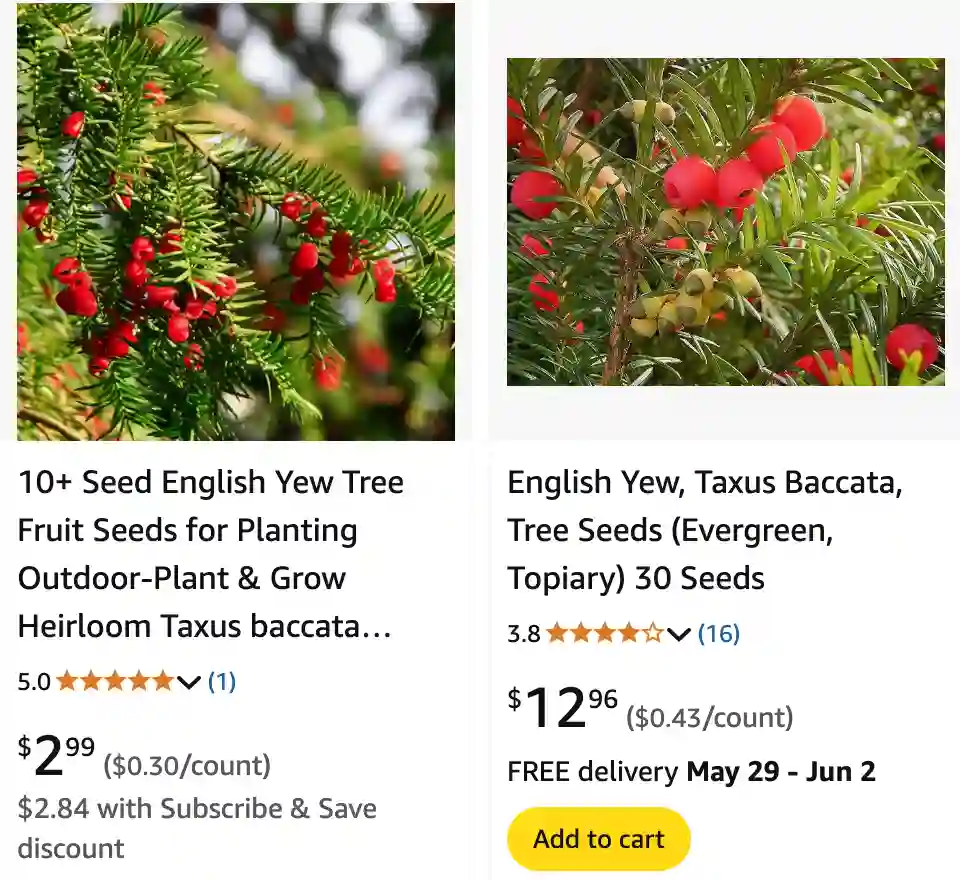
Simply put, Taxus Baccata is commonly known as the English yew. It’s a coniferous tree native to Europe, parts of North Africa, and Western Asia. I was fascinated to learn that despite being a conifer, it doesn’t produce cones like most other conifers. Instead, it bears red, fleshy berries called arils, which are unique in the plant kingdom.
This tree is not just admired for its striking, dark green needles and dense foliage but also for its historical and cultural significance. English yew has been used in gardens, churchyards, and parks for centuries, often symbolizing longevity and resilience.
How Fast Does Taxus Baccata Grow?
One of the questions I often get asked is, how fast does Taxus Baccata grow? From my experience and research, this species is relatively slow-growing compared to other trees. On average, it grows about 12 to 24 inches (30 to 60 cm) per year under ideal conditions. That might sound slow if you’re used to fast-growing trees, but it’s perfect for gardeners who want a steady, controlled growth rate.
I’ve noticed that growth speed can vary depending on factors such as soil quality, moisture, and sunlight. Taxus Baccata thrives in well-drained soil and can tolerate both full sun and partial shade, but it prefers some shade in hotter climates to avoid needle scorch.
Is Taxus Baccata Poisonous?
This is an important question I always stress. Is Taxus Baccata poisonous? Yes, the Taxus Baccata is indeed poisonous, but it’s nuanced. Almost all parts of the tree—needles, seeds, bark—contain toxic compounds called taxines. These can be fatal if ingested in large amounts, especially to humans and many animals.
What’s interesting, though, is that the red arils (the berry-like structures) surrounding the seeds are not toxic and are often eaten by birds, which helps in seed dispersal. However, the seed inside the aril is poisonous, so you should never consume any part of the plant without caution.
In my experience, this toxicity means it’s essential to plant Taxus Baccata where children and pets cannot easily reach it. Despite its beauty, I treat it with respect because of these potent natural toxins.
Additional FAQs About Taxus Baccata
Can Taxus Baccata Be Used for Hedges?
Definitely. I’ve personally used Taxus Baccata for hedges and topiary because of its dense growth and tolerance to heavy pruning. It responds well to shaping and can form an elegant, evergreen screen. This is one reason it’s a favorite in formal gardens.
How Long Does Taxus Baccata Live?
If you want a long-term companion, Taxus Baccata is an excellent choice. It is famously long-lived; some specimens have survived for over a thousand years. That’s something I find truly remarkable about this tree.
Does Taxus Baccata Require Much Maintenance?
I’d say it’s relatively low maintenance. Once established, it’s drought-tolerant and pest-resistant, which makes it a good pick for low-fuss gardeners like me. It does need occasional pruning to maintain its shape, especially if used as a hedge.
What Are the Ideal Growing Conditions for Taxus Baccata?
I’ve learned that Taxus Baccata prefers temperate climates with moist but well-drained soils. It’s quite versatile but does best in areas where it’s protected from extreme heat and strong winds. Partial shade to full sun suits it, but in hotter regions, some shade helps prevent needle damage.
Conclusion
In summary, Taxus Baccata is a slow-growing, evergreen conifer with a rich history and striking appearance. Knowing what is Taxus Baccata, understanding how fast it grows, and respecting the fact that it is poisonous are essential for anyone considering it for their garden.
From my experience, it makes a beautiful, resilient addition to landscapes, especially when used as a hedge or specimen tree. But always handle it with care because of its toxic parts. If you respect its nature and provide the right growing conditions, Taxus Baccata will reward you with years of beauty and character.

If i die, water my plants!