Hi, I’m Ferb Vu, and I’ve had the pleasure of growing Tecoma Stans in my garden for quite some time. This bright, trumpet-shaped flowering shrub has become one of my favorites—not only for its vibrant yellow blooms but also for its versatility and resilience. Over time, I’ve gathered a lot of questions about this plant, so I want to share some of the most frequently asked questions about Tecoma Stans based on my experience. Let’s dive in!
How to Prune Tecoma Stans
One question I get asked a lot is, “how to prune Tecoma Stans?” Pruning is essential for maintaining the shape and encouraging more blooms. From what I’ve learned, the best time to prune is right after the flowering season, usually late spring or early summer. I usually trim back the branches by about one-third. This helps control its growth since Tecoma Stans can get quite large and leggy if left unchecked.
I recommend using clean, sharp pruning shears. Cut back any dead or weak branches first, then shape the plant to your desired form. Don’t be afraid to prune hard—it’s a resilient shrub and bounces back quickly. Regular pruning also helps prevent the plant from becoming too woody and encourages new vibrant shoots.
Is Tecoma Stans Poisonous?
Many people wonder, “is Tecoma Stans poisonous?” The good news is that this plant is generally considered non-toxic to humans. I’ve used it in my garden around children and never had any issues. However, you should still avoid ingesting any part of the plant without proper preparation, as some plant species have mild irritants.
Is Tecoma Stans Poisonous to Dogs?
A more specific question I’ve heard is, “is Tecoma Stans poisonous to dogs?” As a dog owner, this was important to me. After researching and checking with vets, I can say that Tecoma Stans is not listed as toxic to dogs. That said, every dog reacts differently, and eating any plant in large quantities can cause mild stomach upset. If your dog tends to nibble on garden plants, it’s always good to keep an eye out. Personally, I haven’t had any trouble with my dogs around this plant.
Where to Buy Tecoma Stans
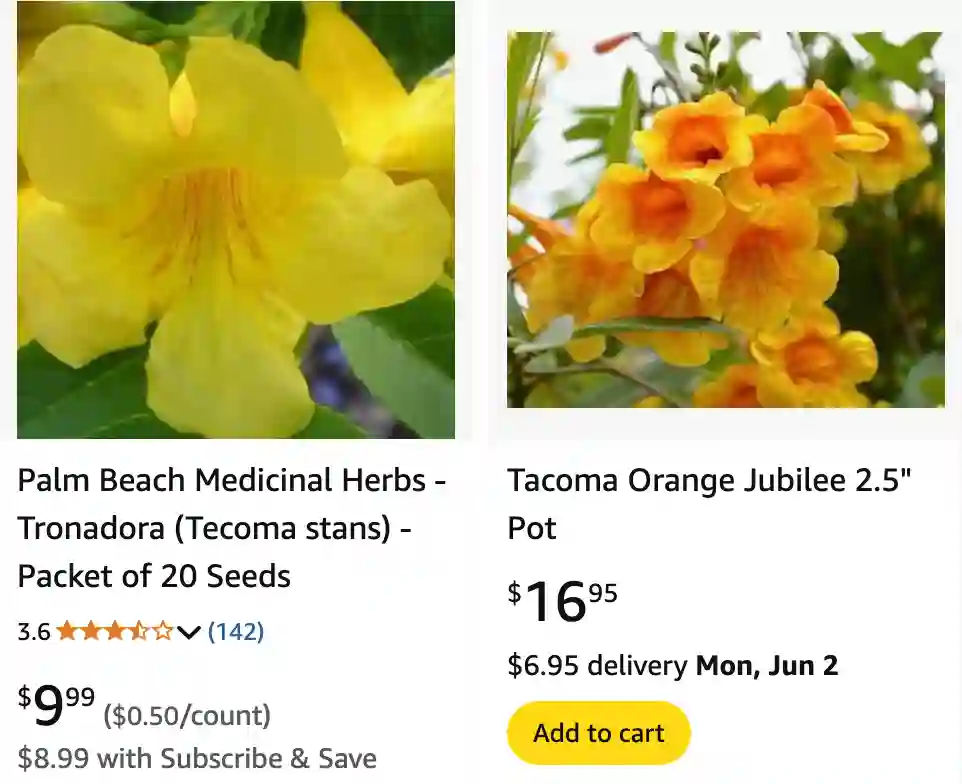
If you’re wondering “where to buy Tecoma Stans,” there are a few options depending on where you live. I first purchased mine at a local nursery specializing in tropical and subtropical plants. They often carry Tecoma Stans because it’s popular for warm climates. You can also check online garden centers and specialized plant marketplaces, which often ship small potted plants or seeds. I’ve had good luck with online stores like PlantNursery.com (just an example) that offer healthy young plants.
When buying, make sure the plant looks healthy—vibrant leaves, no signs of pests, and strong stems. If you’re buying seeds, look for reputable sources with good germination reviews.
How to Make Tecoma Stans Tea
One fascinating use I discovered is how to make Tecoma Stans tea. In some cultures, the leaves and flowers are brewed into a herbal tea believed to have medicinal properties like aiding digestion and reducing inflammation. I’ve tried it a few times by steeping fresh or dried leaves in hot water for about 10 minutes.
Here’s my simple method:
- Harvest fresh leaves or flowers (ensure they are pesticide-free).
- Rinse gently and chop if needed.
- Boil water and pour over the leaves.
- Cover and steep for 8-10 minutes.
- Strain and enjoy—some people add honey or lemon for flavor.
The taste is mild and floral, not overpowering. Always consult with a healthcare provider before using any herbal remedies, especially if you have health conditions.
Additional Tips and Insights About Tecoma Stans
- Sunlight and Soil: Tecoma Stans thrives in full sun and well-draining soil. I’ve found that even in hot climates, it handles drought well once established, making it low-maintenance.
- Pests and Diseases: It’s relatively pest-resistant, though watch out for aphids and spider mites. If you notice any, a simple insecticidal soap usually does the trick.
- Uses in Landscaping: Beyond its beauty, Tecoma Stans is great for creating natural privacy screens or adding a pop of color to borders. The hummingbirds and butterflies love it, which adds life to my garden.
- Propagation: You can propagate Tecoma Stans by softwood cuttings or seeds. I prefer cuttings because they root faster and produce a clone of the parent plant.
Final Thoughts
From pruning to teas, and understanding its safety around pets, Tecoma Stans has proven to be a fantastic addition to my garden. If you’re thinking about planting it or just curious about its uses, I hope these FAQs clear up some common questions.

If i die, water my plants!