Hi, I’m Ferb Vu. Over the years, I’ve spent a lot of time growing and learning about Tiarella Cordifolia, also known as Foamflower. It’s a plant I find both beautiful and versatile in my garden. If you’re curious about it, you’re in the right place. I’ll walk you through the common questions I get, comparisons I’ve made with similar plants, and tips that helped me grow it well. Let’s dig in.
7 Species in Genus Tiarella
What Is Tiarella Cordifolia?
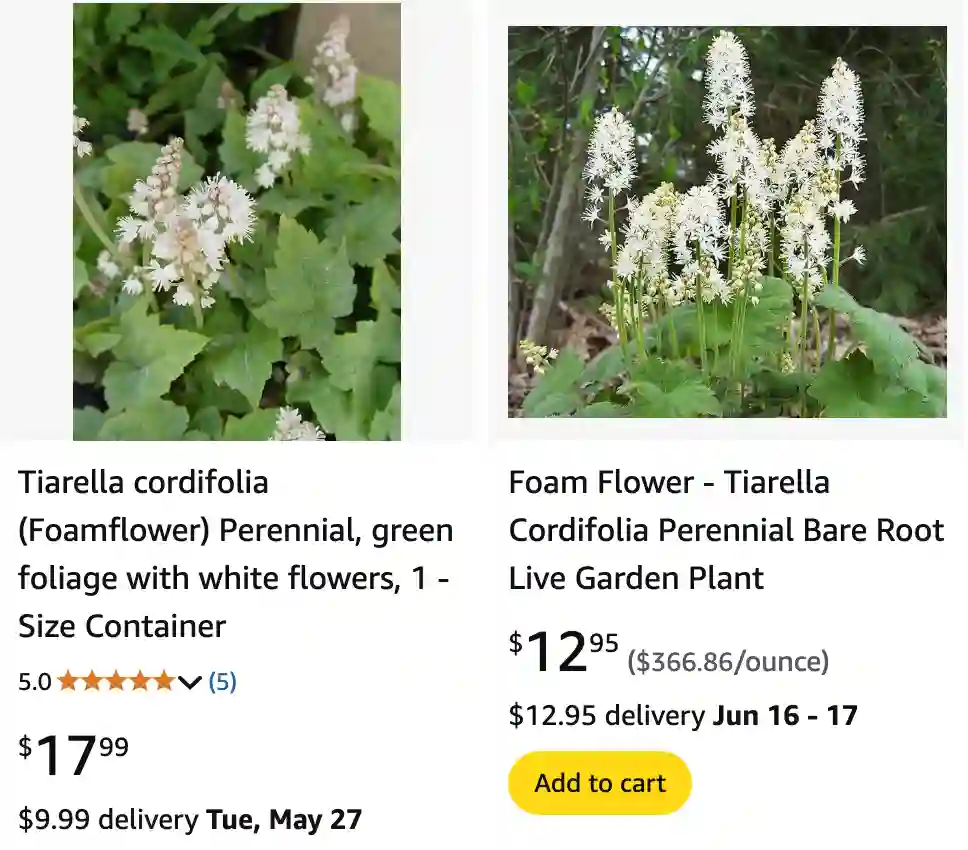
Tiarella Cordifolia is a shade-loving perennial native to North America, often called Foamflower because of its delicate, frothy white flower spikes. It belongs to the Saxifragaceae family. The leaves are heart-shaped (hence the species name cordifolia), usually with attractive lobed or scalloped edges. I love how its foliage adds texture to shaded garden spots, especially when paired with hostas or ferns.
How Do You Care for Tiarella Cordifolia?
In my experience, Tiarella Cordifolia is pretty forgiving if you give it the right conditions. Here’s what I do:
- Light: It thrives in part to full shade. Morning sun is okay, but harsh afternoon sun burns its delicate leaves.
- Soil: I use rich, well-drained soil with lots of organic matter. It prefers slightly acidic to neutral pH.
- Water: Consistent moisture is key. I keep the soil moist but never soggy.
- Mulching: Mulching helps retain moisture and keeps the roots cool.
- Fertilizing: I give it a slow-release balanced fertilizer in early spring. It helps the plant start strong.
- Pruning: After flowering, I trim old flower stalks to encourage new growth.
This plant rarely suffers from pests or diseases in my garden, which is a big plus.
How Does Tiarella Cordifolia Compare to Heuchera?
I often get asked how Tiarella compares to Heuchera, another shade-loving perennial with gorgeous foliage. I grow both, and here’s what I’ve noticed:
- Foliage: Heuchera leaves are usually more colorful—deep purples, reds, and silvers—while Tiarella’s leaves tend to be green with some subtle variegation or dark markings.
- Flowers: Tiarella’s foam-like white flower spikes are more delicate and airy. Heuchera flowers are more bell-shaped and come in shades of pink, coral, or white.
- Growth habit: Tiarella spreads more readily via rhizomes, making it great as a ground cover. Heuchera clumps more and spreads slowly.
- Care: Both prefer shade and moist soil, but Heuchera can tolerate a bit more sun if it’s not too hot.
If you want a soft-textured ground cover with delicate blooms, Tiarella Cordifolia is my pick. For bold foliage color, Heuchera wins.
Can Tiarella Cordifolia Be Grown in Containers?
Yes! I’ve had success growing Tiarella in containers, especially on shaded patios or decks. The key is to use a deep enough pot with excellent drainage and to keep the soil consistently moist. Container growth allows me to move the plants to ideal spots when the weather changes. Just watch out for drying out faster in containers than in the ground.
What Are the Best Companion Plants for Tiarella Cordifolia?
In my garden, Tiarella pairs beautifully with:
- Hostas: The broad leaves contrast nicely with Tiarella’s lacy foliage.
- Ferns: They complement each other in texture and thrive under the same shade and moisture conditions.
- Astilbe: Their feathery flowers bloom after Tiarella’s, extending color and interest.
- Heuchera: For varied leaf color and texture, they are a natural team.
- Brunnera: Its heart-shaped leaves and blue flowers make a charming duo.
These companions create lush, layered shade gardens with varying shapes and colors.
How Does Tiarella Cordifolia Spread and Propagate?
I’ve found Tiarella spreads via underground rhizomes, forming natural clumps over time. To propagate, I usually divide these clumps every few years in early spring or fall. It’s a straightforward way to get new plants without buying them.
You can also propagate by seed, but it’s slower, and the seedlings can be variable in quality. Division gives faster, reliable results.
Is Tiarella Cordifolia Deer Resistant?
In my experience, yes. Deer tend to avoid Tiarella because of its mildly hairy leaves and texture. While nothing is 100% deer-proof, I’ve seen my Tiarella plants stay mostly untouched even in high deer pressure areas.
How Does Tiarella Cordifolia Differ from Tiarella ‘Spring Symphony’?
Tiarella ‘Spring Symphony’ is a hybrid I’ve grown that has variegated leaves with green, white, and pinkish hues. Compared to the pure species cordifolia, ‘Spring Symphony’ is more colorful and eye-catching. However, it’s a bit less vigorous and can require more care to maintain leaf color.
If you want a showier plant with variegated foliage, hybrids like ‘Spring Symphony’ are great. For a classic, resilient ground cover, Tiarella Cordifolia is reliable.
What Problems Have I Encountered Growing Tiarella Cordifolia?
Generally, Tiarella Cordifolia is low-maintenance, but a few issues can pop up:
- Crown rot: When planted in poorly drained soil or overwatered.
- Leaf scorch: Too much direct sun or drought stress.
- Slugs: Occasionally nibble on young leaves in wet conditions.
Keeping soil moist but well-drained and planting in shade has prevented most problems for me.
Is Tiarella Cordifolia Suitable for Landscaping?
Absolutely. I’ve used it as a ground cover under trees, along shaded borders, and in woodland gardens. Its natural spreading habit, attractive flowers, and easy care make it a standout choice for low-maintenance shade gardening.
Final Thoughts on Growing Tiarella Cordifolia
I enjoy growing Tiarella Cordifolia because it brings softness and subtle beauty to shaded areas. It’s dependable, deer-resistant, and blends well with many companion plants. If you have a shady spot in your garden and want an elegant, low-maintenance ground cover, give Foamflower a try. With a bit of moisture and shade, it will reward you year after year.

If i die, water my plants!