I’ve spent countless hours observing, sketching, and learning about the natural world around us. Among the many fascinating species I’ve encountered, the Tilia cordata, or Littleleaf Linden, holds a special place. Its graceful form, fragrant blossoms, and robust nature make it a common sight in urban landscapes and parks. Over time, I’ve found that many people have similar questions about this remarkable tree. So, I’ve compiled this guide to answer some of the most frequently asked questions about Tilia cordata.
What exactly is Tilia cordata?
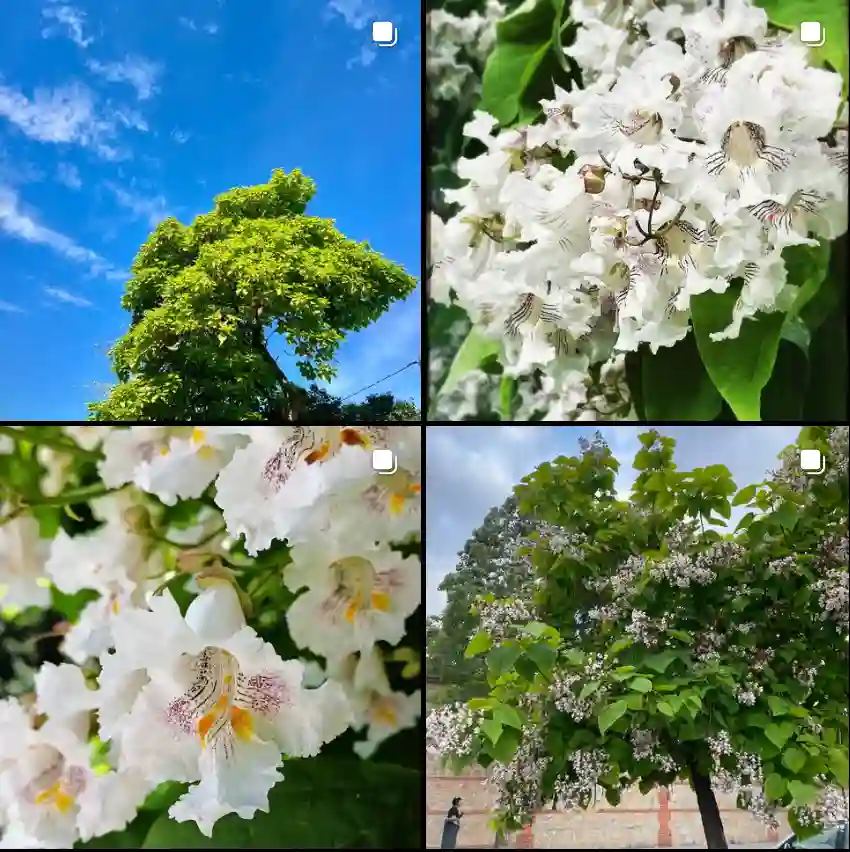
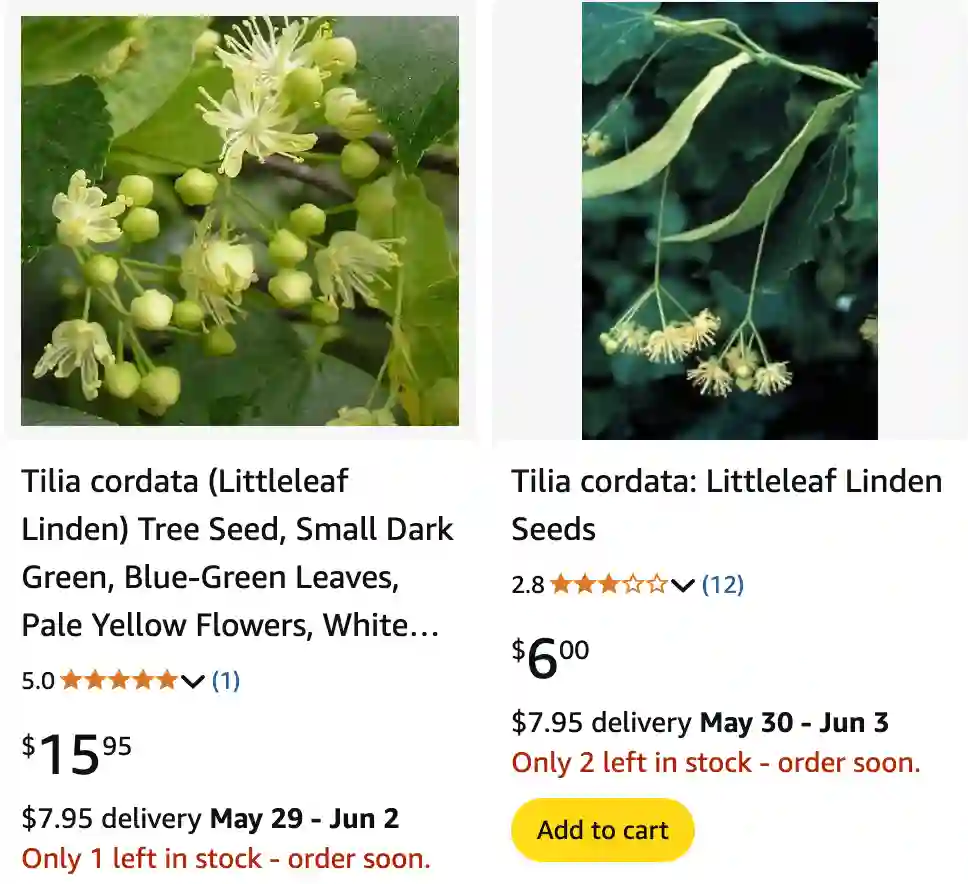
Tilia cordata is a deciduous tree native to much of Europe. It’s often called Littleleaf Linden or Small-leaved Lime. This tree is known for its relatively small, heart-shaped leaves, which are dark green above and paler, sometimes glaucous, beneath. In early summer, it produces fragrant, pale yellow flowers in drooping clusters. These flowers are a magnet for bees, and the resulting seeds are small, spherical, and ribbed. It’s a popular choice for street planting due to its tolerance of urban conditions and its attractive, dense canopy.
Why is Tilia cordata so popular in urban areas?
Tilia cordata thrives in challenging urban environments. It tolerates air pollution, compacted soil, and even some drought once established. Its dense canopy provides excellent shade, and its relatively narrow crown makes it suitable for planting along streets and in smaller spaces where larger trees might be impractical. The fragrant flowers are also a bonus, adding a pleasant aroma to city air during their bloom period. Beyond its practical benefits, its aesthetic appeal, with its clean lines and appealing foliage, contributes to its widespread use.
How big does Tilia cordata get?
A mature Tilia cordata typically reaches heights of 50 to 70 feet, though some specimens can grow taller. Its spread can range from 30 to 50 feet, forming a dense, pyramidal or oval crown. Its growth rate is moderate, meaning it won’t overwhelm a space too quickly but will still provide a substantial presence over time. Considering its potential size is important when choosing a planting location.
What are the ideal growing conditions for Tilia cordata?
Tilia cordata prefers full sun to partial shade. It adapts to a variety of soil types, but it truly thrives in moist, well-drained loams. While it tolerates urban stresses, providing good soil and adequate moisture, especially during its establishment phase, will lead to a healthier and more vigorous tree. It’s also fairly cold-hardy, making it suitable for a wide range of climates.
Tilia cordata vs. Tilia platyphyllos
When discussing lindens, the distinction between Tilia cordata and Tilia platyphyllos often comes up. Tilia platyphyllos, or Large-leaved Linden, is another common European species. The most obvious difference lies in their leaves. As their names suggest, Tilia platyphyllos has larger leaves, often more coarsely toothed and with prominent tufts of hair in the vein axils on the underside. Tilia cordata‘s leaves are smaller and more finely toothed.
Flowering time also differs. Tilia platyphyllos typically blooms a week or two earlier than Tilia cordata. In terms of form, Tilia platyphyllos often has a broader, more open canopy, while Tilia cordata tends to be more upright and dense. Both are excellent trees, but their specific characteristics can influence planting decisions.
Tilia cordata vs. Tilia americana
The comparison between Tilia cordata and Tilia americana, or American Basswood, is also a common one. Tilia americana is native to North America and tends to be a larger tree overall, reaching greater heights and widths. Its leaves are also significantly larger than those of Tilia cordata, often reaching 6-8 inches long, and are more distinctly serrated.
The flowers of Tilia americana are also fragrant, though some describe them as less intensely so than Tilia cordata. While both are tolerant of urban conditions, Tilia americana can be more susceptible to aphid infestations, which can lead to sticky “honeydew” on anything beneath the tree. Tilia cordata generally experiences fewer pest issues in comparison. If you’re looking for a slightly more compact and potentially cleaner tree for a specific urban setting, Tilia cordata might be a better choice.
What about pests and diseases for Tilia cordata?
Fortunately, Tilia cordata is quite resilient to many common pests and diseases. While it can occasionally host aphids, which produce sticky honeydew, serious infestations are relatively uncommon. Japanese beetles might chew on the leaves, but rarely cause significant damage to mature trees. Verticillium wilt is a more serious fungal disease that can affect lindens, but it’s not widespread. Proper care, including good watering practices and avoiding trunk damage, helps maintain the tree’s vigor and natural defenses.
Can I prune Tilia cordata?
Yes, Tilia cordata responds well to pruning. Pruning should focus on removing dead, damaged, or diseased branches. You can also prune to maintain a desired shape or to improve clearance beneath the canopy. The best time for major pruning is late winter or early spring before new growth begins. Avoid heavy pruning during late spring and summer, as this can reduce the tree’s vigor and flowering. Light shaping can be done throughout the growing season if needed.
Is Tilia cordata good for wildlife?
Absolutely! The fragrant flowers of Tilia cordata are a vital nectar source for bees, especially honeybees, producing a delicious honey. The leaves are also a food source for the caterpillars of various moths. Birds often use the dense canopy for nesting and shelter. Even fallen leaves contribute to the ecosystem by enriching the soil and providing habitat for ground-dwelling insects. Planting Tilia cordata is a great way to support local biodiversity.
Any other tips for Tilia cordata care?
Beyond regular watering during dry spells, especially for young trees, mulching around the base can be beneficial. A layer of organic mulch helps retain soil moisture, regulate soil temperature, and suppress weeds. Avoid piling mulch against the trunk, as this can lead to rot. With proper care and a suitable location, your Tilia cordata will thrive for decades, providing beauty, shade, and ecological benefits.
I hope this guide has answered some of your burning questions about Tilia cordata. It’s a truly remarkable tree, and understanding its nuances only adds to its appeal.

If i die, water my plants!