Trailing succulents have become a favorite for plant lovers who are looking to add unique texture and beauty to their indoor and outdoor spaces. As someone who has experimented with a variety of trailing succulents, I’ve learned quite a bit about their care and what makes them such appealing plants. In this article, I’m going to answer some of the most frequently asked questions about trailing succulents, from the different types to how they fare in full sun, and even which ones are cold-hardy or thrive in low light.
What Are Trailing Succulents?
Trailing succulents are plants that grow in a cascading or spreading manner, making them ideal for hanging baskets, planters, or as ground covers. These plants are known for their fleshy, water-storing leaves, which enable them to survive in dry environments. Their ability to trail or “spill” over the edge of a container makes them stand out in any arrangement.
What Are the Best Types of Trailing Succulents?
When it comes to trailing succulents, there are many types to consider. Some of my personal favorites include:
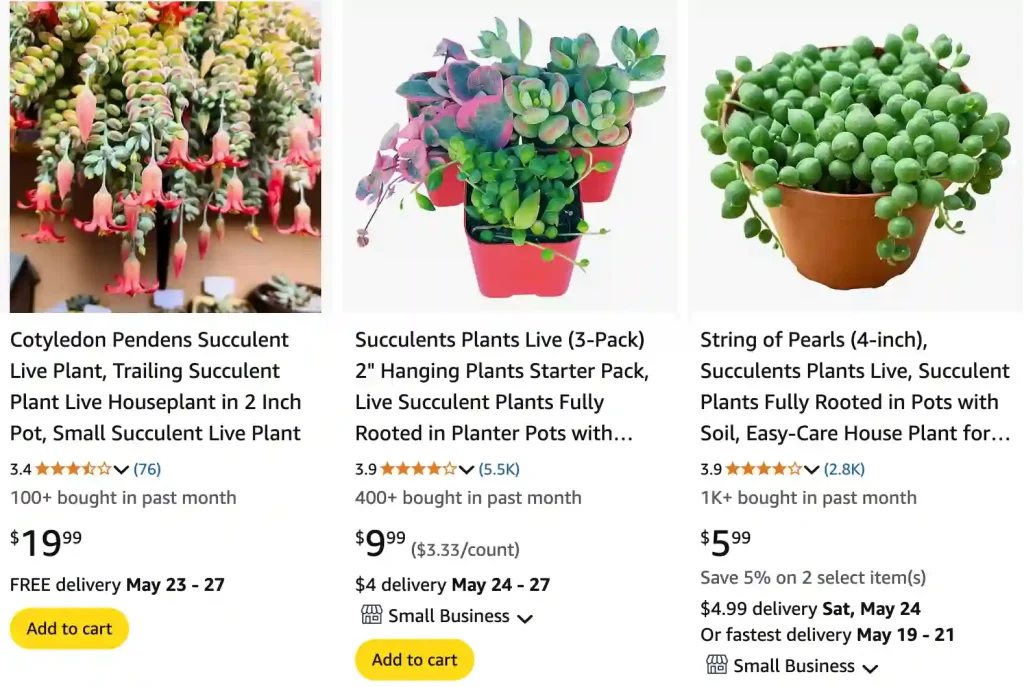
- String of Pearls – This succulent has small, spherical leaves that resemble pearls, which trail elegantly over the sides of planters.
- Burro’s Tail (Sedum morganianum) – A lush, trailing succulent with long, succulent leaves that resemble a donkey’s tail.
- Creeping Jenny – A beautiful trailing succulent with vibrant green leaves and a unique spread.
- Variegated Trailing Succulents – Variegated varieties, such as the variegated “String of Hearts” (Ceropegia woodii), have beautifully streaked leaves in shades of green, pink, and cream, adding more vibrancy to your collection.
There’s no shortage of trailing succulents types to choose from, and it’s all about selecting the one that fits your aesthetic and care preferences.
How Much Sun Do Trailing Succulents Need?
Most trailing succulents thrive in full sun, meaning they need at least six hours of direct sunlight each day to flourish. For example, succulents like String of Pearls and Sedum varieties do best in bright, sunny conditions. If they’re grown in low light, they may become leggy or lose their vibrant color.
However, some varieties are more adaptable. If you’re working with a space that doesn’t get much direct sunlight, you can opt for low light trailing succulents, like the String of Hearts, which can tolerate lower light conditions. While they won’t trail as vigorously as they would in full sun, they still thrive in indirect light.
Are There Trailing Succulents That Bloom?
Yes, many trailing succulents bloom, and some of them produce stunning flowers. Trailing succulents with pink flowers are particularly eye-catching. For example, the Sedum species, such as Sedum morganianum, often bloom in clusters of small, pink flowers, which can create a beautiful contrast against the blue-green foliage. Another example is the Ceropegia woodii, which can produce small, pink, heart-shaped flowers that hang delicately from the plant.
Can Trailing Succulents Survive in Cold Weather?
If you live in a region where temperatures can dip low, you’ll want to look into cold hardy trailing succulents. While most succulents prefer warmer climates, some types can withstand colder conditions. Sedum varieties like Sedum spurium (also known as “Creeping Sedum”) are known for being more cold-hardy and can survive in USDA hardiness zones 3-9. It’s always important to check the specific hardiness zone for the succulent species you’re interested in, as cold temperatures can damage or kill non-hardy succulents.
How Do You Care for Trailing Succulents?
Caring for trailing succulents requires a few simple but important steps:
- Watering – Succulents are drought-tolerant, so they prefer to dry out between waterings. Overwatering is one of the most common mistakes, so make sure your pots have good drainage, and water only when the soil is dry.
- Soil – A well-draining cactus or succulent mix is ideal. Avoid heavy, clay-based soils that can trap water and lead to root rot.
- Light – Most trailing succulents thrive in full sun. However, if you have lower light conditions, select species that are more tolerant of shade.
Are There Trailing Succulents That Don’t Need Full Sun?
While most succulents enjoy full sun, there are some trailing varieties that can handle low light better. For example, Ceropegia woodii (String of Hearts) can thrive in indirect light. It’s perfect for those with less than ideal sunlight, whether it’s on a windowsill with filtered light or hanging in a shaded area. However, even low light trailing succulents still need some indirect sunlight to grow strong and healthy.
Conclusion
Trailing succulents are versatile, beautiful, and relatively low-maintenance plants, making them perfect for both seasoned plant lovers and beginners. Whether you’re drawn to variegated trailing succulents or looking for one that can handle full sun, there’s a type of trailing succulent for every space and climate. From the stunning Sedum morganianum with its lush, cascading stems to the delicate blooms of the String of Hearts, these plants can brighten up any room or garden.
Incorporating trailing succulents into your space doesn’t have to be a challenge. With the right light, watering routine, and a bit of patience, you’ll soon be rewarded with lush greenery that can thrive in a variety of conditions. If you’re still unsure about which variety to choose, I recommend starting with some easy-to-care-for options like Creeping Jenny or String of Pearls. They’re both adaptable and provide beautiful trailing growth that will enhance your plant collection.

If i die, water my plants!