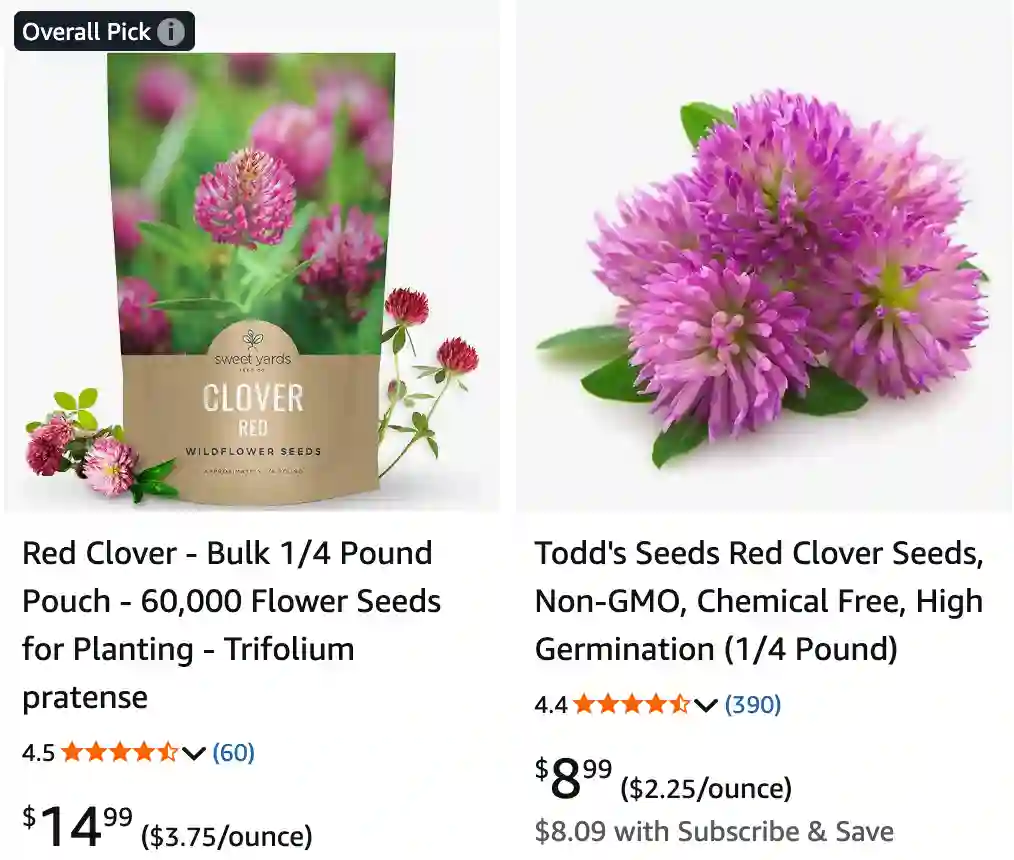
Trifolium pratense, commonly known as red clover, is a ubiquitous and vital herbaceous perennial plant belonging to the Fabaceae (legume or pea) family. Celebrated for its agricultural benefits, ecological significance, and historical medicinal uses, red clover stands as a testament to the intricate relationship between plants and their environment. This article delves into the multifaceted aspects of Trifolium pratense, exploring its botanical characteristics, life cycle, ecological role, agricultural importance, and historical applications, intertwined with a gardener’s personal observations of its growth over time.
Month 1: Tiny Beginnings and Hopeful Sprouts
“The soil was cool and damp as I carefully scattered the tiny, kidney-shaped red clover seeds. It always feels like a leap of faith, burying these minuscule promises of future blooms and foliage. Within a week, the first signs of life emerged – delicate, pale green cotyledons pushing their way through the earth. These initial leaves, so different from the plant’s mature form, held the stored energy to fuel the next stage of development. Over the next few weeks, true leaves began to appear, each a trifoliate marvel, marked with the characteristic pale V-shaped chevron that distinguishes red clover.”
Botanical Description: Trifolium pratense is characterized by its trifoliate leaves, meaning each leaf is composed of three leaflets. These leaflets are typically ovate to elliptic in shape, ranging from 1.5 to 3 cm in length and 1 to 2 cm in width. A distinctive pale or whitish V-shaped mark is often present on the upper surface of each leaflet. The stems of red clover are somewhat hairy, ascending to erect, and can reach heights of 20 to 70 cm. The plant possesses a well-developed taproot system, crucial for nutrient uptake and overwintering.
Month 3: Establishing Roots and Lush Foliage
“By the third month, the red clover plants had transformed into a lush carpet of green. The stems branched out, and the density of the foliage increased significantly. I noticed the robust root systems when I gently tugged at a stray weed nearby – the clover was firmly anchored in the soil. This period felt like a phase of quiet consolidation, the plant investing its energy in vegetative growth, building a strong foundation for the more showy displays to come.”
Life Cycle and Growth Habits: Red clover is typically a short-lived perennial, often behaving as a biennial under certain conditions. Its life cycle begins with germination, followed by a period of vegetative growth where the plant establishes its root system and develops its foliage. The plant exhibits a branching growth habit, forming dense patches or individual specimens depending on planting density and environmental conditions.
Month 6-12: The Bloom of Summer and First Harvests
“As the days lengthened and warmed, the transformation became truly spectacular. Globular flower heads, composed of numerous small, individual florets, began to emerge. The vibrant hues of pink to reddish-purple painted the field, attracting a flurry of bees and other pollinators. Harvesting the first cutting felt like a reward for the earlier months of care, the fragrant foliage promising rich nutrition for livestock. I also noticed how the clover seemed to suppress weed growth, its dense canopy shading out unwanted competitors.”
Flowering and Pollination: The inflorescence of red clover is a dense, globose head, typically 2 to 3 cm in diameter, borne on short peduncles (stalks) in the upper leaf axils. Each flower head contains numerous sessile (stalkless) florets. The flowers are zygomorphic (bilaterally symmetrical), with a characteristic pea-flower structure. The petals, primarily pink to reddish-purple, create a visually striking display. Red clover is primarily cross-pollinated by insects, particularly bumblebees (Bombus spp.), which possess the necessary proboscis length to access the nectar at the base of the florets.
Year 2: A Cycle Renewed and Deeper Roots
“The following spring, I was greeted by the familiar sight of new red clover shoots emerging from the seemingly dormant earth. It was reassuring to see the resilience of this plant. The second year brought an even more prolific display of flowers, the root systems now more established and capable of supporting vigorous growth. I observed that the soil beneath the clover seemed richer, darker, a testament to the nitrogen-fixing capabilities of this remarkable legume.”
Nitrogen Fixation: Red clover, being a legume, forms a symbiotic relationship with nitrogen-fixing bacteria (primarily Rhizobium trifolii) in root nodules. These bacteria convert atmospheric nitrogen, which is unavailable to plants in its gaseous form, into ammonia, a form of nitrogen that plants can readily absorb and utilize for growth. This process significantly enriches the soil’s nitrogen content, making red clover a valuable green manure and a beneficial component in crop rotation systems.
Many Years: Persistence and Ecological Contributions
“Over the years, even without reseeding, patches of red clover would reappear in various parts of the garden. Its ability to self-seed and its hardy nature ensured its continued presence. I noticed how it provided a consistent source of nectar for pollinators throughout the flowering season and how its foliage offered cover for beneficial insects. Even as individual plants aged and faded, their legacy lived on in the enriched soil and the new seedlings that emerged.”
Ecological Role: Red clover plays a significant role in various ecosystems. As a primary producer, it forms the base of several food webs, providing sustenance for herbivores, both vertebrate and invertebrate. Its flowers are a crucial nectar and pollen source for numerous pollinator species, contributing to biodiversity and ecosystem stability. The plant’s dense foliage can also provide shelter and habitat for small animals and insects. Furthermore, its ability to fix nitrogen contributes to soil fertility, indirectly benefiting other plant species in the community.
Agricultural Significance: A Cornerstone of Sustainable Farming
Red clover has been cultivated for centuries for its numerous agricultural benefits. It is widely used as a forage crop for livestock, providing high-quality, protein-rich feed. Its palatability and nutritional value make it a preferred choice for grazing animals and for the production of hay and silage.
As a cover crop, red clover offers several advantages. Its rapid growth and dense canopy help suppress weed growth, reducing the need for herbicides. Its extensive root system improves soil structure, enhancing water infiltration and reducing soil erosion. Moreover, its nitrogen-fixing ability reduces the need for synthetic nitrogen fertilizers, promoting more sustainable farming practices. Red clover is often incorporated into crop rotation systems to break pest and disease cycles, improve soil health, and provide a natural source of nitrogen for subsequent crops.
Historical and Traditional Uses: Beyond the Field
Historically, red clover has been valued for its medicinal properties. Traditional uses include treating respiratory ailments like coughs and bronchitis, skin conditions, and inflammatory disorders. It has also been used as a diuretic and expectorant. While modern science has explored some of these traditional applications, further research is often needed to validate their efficacy and safety. It’s important to note that self-treating with herbal remedies can be risky, and consultation with a healthcare professional is always recommended.
Varieties and Cultivars: Tailored for Different Needs
Over time, numerous varieties and cultivars of red clover have been developed to suit specific agricultural and environmental conditions. These cultivars may differ in characteristics such as growth habit (e.g., erect vs. prostrate), maturity time (e.g., early vs. late flowering), disease resistance, and winter hardiness. This diversity allows farmers and gardeners to select the most appropriate red clover varieties for their particular needs and location.
Challenges and Considerations: Pests, Diseases, and Management
While red clover offers many benefits, it is also susceptible to certain pests and diseases. Common pests include aphids, clover weevils, and slugs. Diseases such as powdery mildew, root rot, and various viral infections can also affect red clover health and productivity. Proper management practices, including selecting disease-resistant varieties, ensuring good drainage, and implementing appropriate pest control measures, are crucial for maintaining healthy red clover stands.
Conclusion: A Plant of Enduring Value
Trifolium pratense, the humble red clover, is far more than just a pretty flower dotting our landscapes. Its ecological significance as a pollinator attractant and nitrogen fixer, its crucial role in sustainable agriculture as a forage and cover crop, and its historical medicinal uses all contribute to its enduring value. The gardener’s time-lapse narrative illustrates the plant’s remarkable life cycle, from tiny seed to mature bloom and beyond, highlighting its resilience and its contribution to a thriving ecosystem. Whether viewed through the lens of a botanist, an agriculturalist, an ecologist, or a gardener, red clover stands as a testament to the power and importance of even the seemingly simplest of plants.

If i die, water my plants!