I’ve grown many native perennials in my garden, but Veronicastrum Virginicum—also known as Culver’s Root—holds a special place. Its stately presence, pollinator magnetism, and adaptability make it a must-have for naturalistic or prairie-style gardens. Over time, I’ve answered lots of questions about this tall, elegant native. Here are the most common ones, from my own experience.
19 Species in Genus Veronicastrum
What Is Veronicastrum Virginicum?
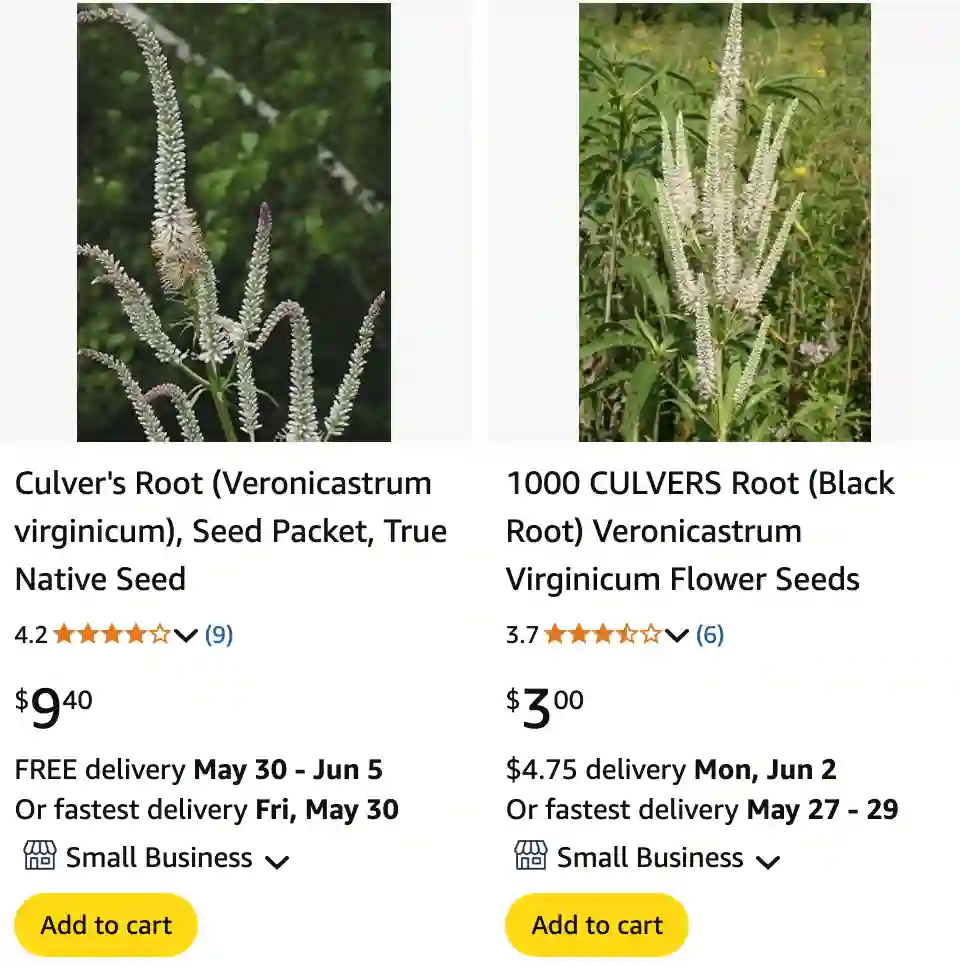
Veronicastrum Virginicum is a herbaceous perennial native to eastern North America. It grows upright, often 4–7 feet tall, with whorled leaves and narrow spikes of white or pale blue flowers in summer. In my garden, it’s always a standout when in bloom around mid to late July.
Belonging to the Plantaginaceae family, it’s closely related to plants like Veronica (Speedwell). But this one is far more architectural. It has a candelabra-like flower structure that bees, butterflies, and even hummingbirds can’t resist.
How Do I Grow Veronicastrum Virginicum?
It’s easier than people think. Here’s my go-to method:
- Sunlight: Full sun is ideal, but it tolerates light shade.
- Soil: It loves moist, well-draining soil. I’ve seen it thrive in both loamy beds and heavier clay areas—especially if they don’t dry out.
- Water: I water during droughts, but once established, it handles moderate dry spells.
- Spacing: Give it room—about 18 to 24 inches between plants.
One thing I love: it never flops like some tall perennials. Even after heavy rain, it holds its structure well.
Does Veronicastrum Virginicum Attract Pollinators?
Absolutely. It’s one of the most pollinator-friendly native plants in my garden. Bees, butterflies, beetles, and hoverflies flock to it. It’s also a larval host for some moth species. I’ve watched monarchs rest on the tall spikes, and the late summer blooming time bridges the nectar gap between midsummer and fall.
In terms of ecological value, this plant punches well above its weight.
Is It Invasive or Aggressive?
Not at all. Veronicastrum Virginicum is clump-forming and spreads slowly by rhizomes. I’ve never had it pop up where I didn’t want it. You might get some self-seeding, but they’re easy to spot and remove if unwanted.
Compared to some other tall natives like Helianthus Maximiliani or Solidago canadensis, this one is downright well-mannered.
How Does Veronicastrum Virginicum Compare to Joe Pye Weed?
Good question. I grow both, and while they have similar niches, here’s how I see the differences:
- Joe Pye Weed (Eutrochium spp.) tends to have a bushier form with pink-purple domed flowers.
- Veronicastrum Virginicum is more vertical, more refined, and its flowers are white, sometimes lavender.
- Both attract pollinators, but Culver’s Root blooms a bit earlier.
If you’re aiming for diversity in bloom structure and time, I recommend growing them side by side.
Can Veronicastrum Be Used in Formal Gardens?
Yes, and that’s the beauty of it. Though it’s native and wild-looking, it fits in structured borders. Its tall, vertical habit makes it an excellent back-of-border or natural screen. I’ve planted it behind Coneflowers (Echinacea) and Bee Balm (Monarda), and the combination feels both wild and intentional.
Design-wise, it provides a vertical line that contrasts nicely with rounded or sprawling plants. It’s like putting a tall candle in a bouquet—instant elegance.
Are There Cultivars Worth Trying?
Definitely. Here are a few I’ve grown or seen:
- ‘Fascination’ – Has soft lilac flower spikes and a slightly shorter height.
- ‘Apollo’ – More compact with silvery flower tones.
- ‘Lavendelturm’ – Lavender-pink hues, striking in masses.
These cultivars maintain the essence of the species but offer options for color and space constraints.
What Plants Pair Well With Veronicastrum?
Here are some companions I’ve tried and recommend:
- Switchgrass (Panicum virgatum) – Textural contrast and drought resilience.
- Sneezeweed (Helenium autumnale) – Similar height, but different bloom shape.
- Black-eyed Susan (Rudbeckia fulgida) – Bright color contrast and similar timing.
- Ironweed (Vernonia noveboracensis) – A great match for moist spots.
Together, these create a dynamic pollinator habitat with season-long interest.
What Are the Seasonal Maintenance Tasks?
Minimal, honestly. Here’s my seasonal checklist:
- Spring: Cut back last year’s stems.
- Summer: Monitor moisture levels if it’s hot and dry.
- Fall: You can leave the stems for winter interest or wildlife shelter.
- Dividing: Every 4–5 years if the clump gets too dense.
It’s not a high-maintenance plant, which is why I often recommend it for both beginners and advanced native plant gardeners.
Final Thoughts: Why I Recommend Veronicastrum Virginicum
If I had to pick a native perennial that checks every box—pollinator-friendly, low-maintenance, architecturally bold, non-invasive—it’s Veronicastrum Virginicum. Whether you’re building a restoration garden, a rain garden, or a prairie-style border, this plant adds both form and function.

If i die, water my plants!