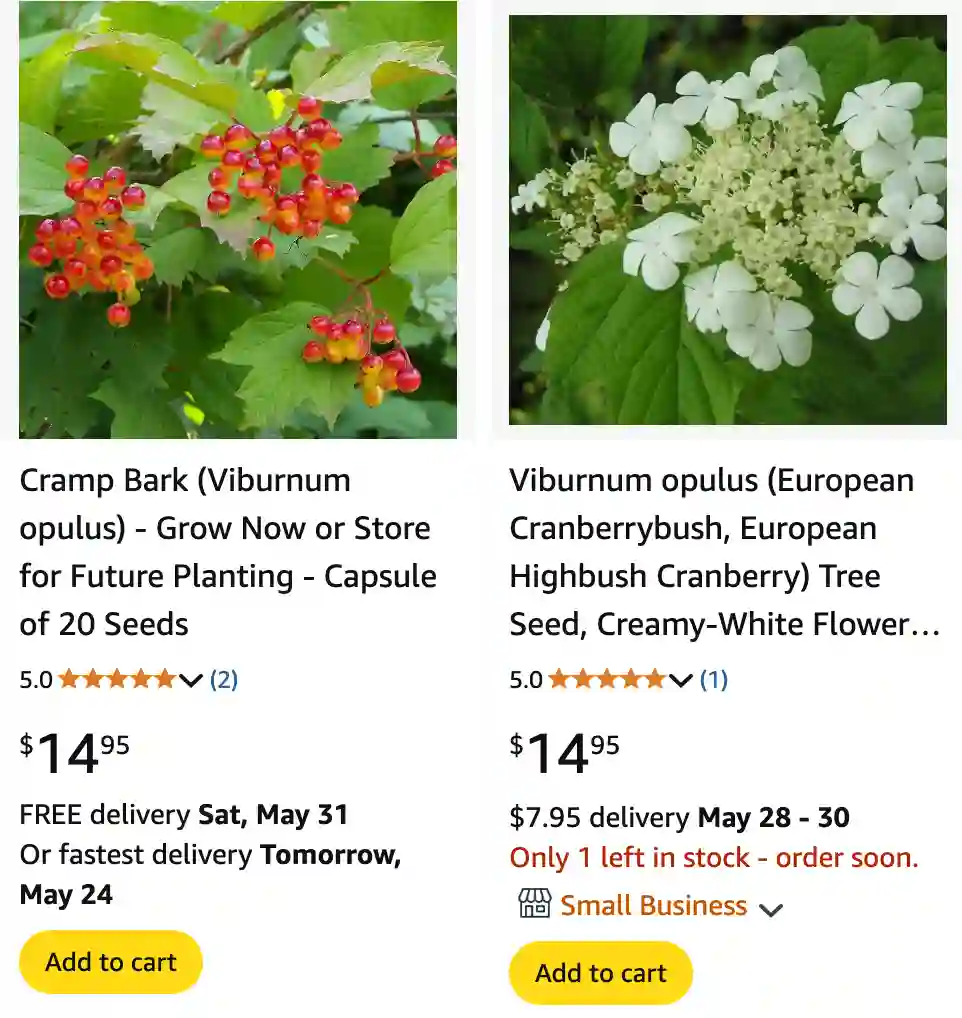
If you’re a plant lover like me, chances are you’ve been captivated by the elegant and multi-season appeal of Viburnum Opulus. Often called the European Cranberrybush or Guelder Rose, this hardy deciduous shrub is not just beautiful—it’s a garden workhorse. I’ve grown it for years, and through trial and error, I’ve learned a lot. So today, I’m diving into the most common questions I get about this shrub.
Is Viburnum Opulus Evergreen?
Let’s start with one of the most common misunderstandings: Viburnum Opulus is not evergreen. It’s a deciduous shrub, which means it drops its leaves in the fall. However, those autumn leaves put on quite a show, turning brilliant shades of red and orange before falling. If you’re looking for something evergreen, you’ll want to consider other species like Viburnum Tinus.
Now, regarding Viburnum Opulus Roseum—also known as the snowball bush—it’s also not evergreen. Despite its lush, full foliage in spring and summer, it too loses its leaves in colder seasons.
When and How to Prune Viburnum Opulus?
One of the first questions people ask me is how to prune Viburnum Opulus. The best time to prune is immediately after flowering, typically late spring or early summer. Since it blooms on old wood, pruning too late in the season will rob you of next year’s flowers.
Here’s my quick method:
- Start by removing any dead, diseased, or crossing branches.
- Thin out older stems at the base to encourage new growth.
- If you’re pruning Viburnum Opulus Roseum, the method is the same, though I focus more on shaping it because of its showy, pom-pom-like blooms.
Don’t prune in fall or winter—it’ll set back flowering.
Are Viburnum Opulus Berries Edible?
This is a bit of a grey area. Are Viburnum Opulus berries edible? Technically, yes—but with caution. When raw, the berries contain mildly toxic compounds, which can cause stomach upset. Cooking destroys the toxins, making them safe for jams and jellies, but they’re extremely tart and often bitter. Personally, I leave them for the birds and admire them for their winter beauty.
So to answer another version of the same question—is Viburnum Opulus edible?—I say it’s edible when properly prepared, but not a staple food source.
Is Viburnum Opulus Poisonous to Dogs?
If you’re a dog parent like me, safety is key. Unfortunately, Viburnum Opulus is mildly toxic to dogs. It can cause vomiting or diarrhea if ingested in large amounts. My advice? Plant it out of reach or choose a pet-safe alternative if your pup likes to nibble.
Where to Plant Viburnum Opulus?
Wondering where to plant Viburnum Opulus? Think full sun to partial shade. It thrives in moist, well-drained soil, and it’s very tolerant of clay once established. I often plant it as a hedge or a border shrub—its layered form and seasonal interest make it a standout.
How Fast Does Viburnum Opulus Grow?
If you’re impatient like I am, you’ll be glad to know that Viburnum Opulus grows moderately fast. Expect 1 to 2 feet of growth per year in ideal conditions. Regular mulching and watering during dry spells help accelerate growth.
Viburnum Opulus vs Trilobum: What’s the Difference?
I’ve grown both, and here’s the scoop. Viburnum Opulus is native to Europe, while Viburnum Trilobum (also called American Cranberrybush) is native to North America. Their berries and flowers are quite similar, but Trilobum is generally more cold-hardy and better for North American ecosystems.
Viburnum Opulus vs Hydrangea: A Personal Comparison
I adore both, but they serve different purposes. Hydrangeas are more about continuous summer bloom and come in a wider range of flower colors. However, Viburnum Opulus wins in terms of multi-season interest—spring flowers, summer greenery, fall foliage, and winter berries. If you’re designing a layered garden, use both. But for low maintenance with year-round impact, Viburnum Opulus gets my vote.
Where to Buy Viburnum Opulus?
I’ve found Viburnum Opulus at local nurseries, especially in spring. For specialty cultivars like Roseum or native alternatives like Trilobum, I suggest reputable online plant retailers or botanical garden sales. Make sure the seller specifies root health and plant maturity.
Final Thoughts
From its snowball blossoms to its scarlet berries, Viburnum Opulus is a plant that gives back every season. Whether you’re wondering how to prune Viburnum Opulus Roseum or where to buy Viburnum Opulus, I hope this guide gives you a personal, grounded overview of what to expect.
With its botanical richness, wildlife benefits, and structural elegance, it’s one of my favorite shrubs to recommend—just don’t forget to keep it away from your dog’s chewing zone and prune it at the right time.

If i die, water my plants!