I’ve grown Viburnum Tinus in a few different gardens over the years. It’s one of those plants I always come back to—tough, evergreen, and blooms when everything else is asleep. But I’ve noticed that many gardeners, especially beginners, ask the same questions. So I’ve put together this FAQ based on my hands-on experience.
Is Viburnum Tinus Evergreen?
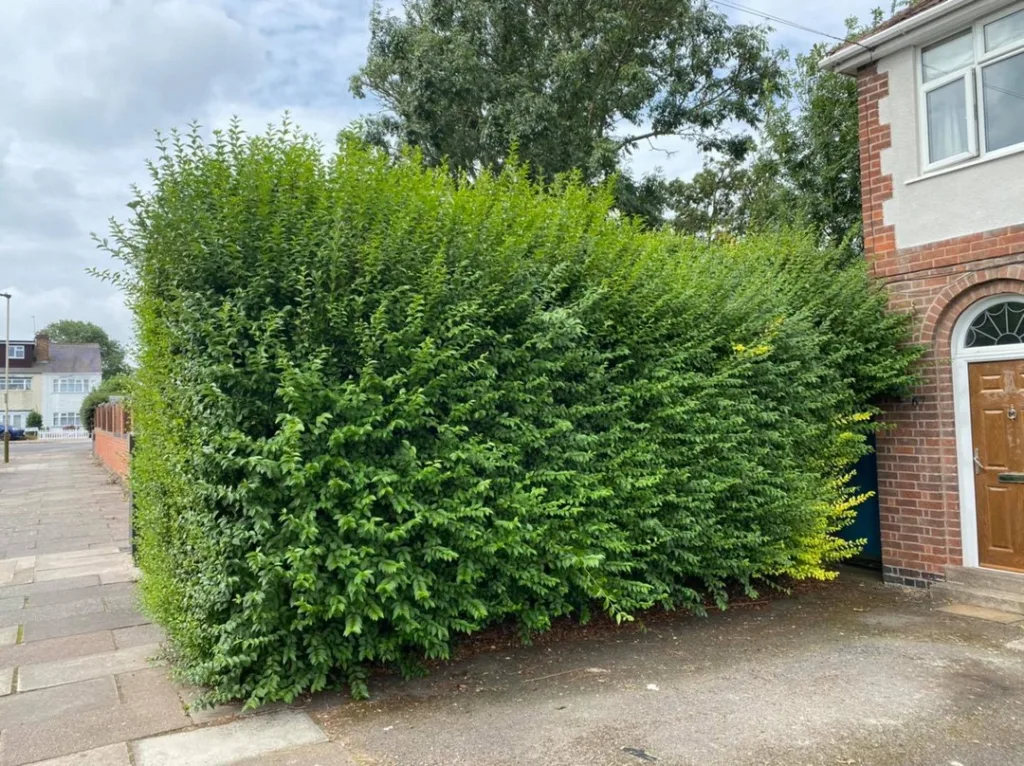
Yes, Viburnum Tinus is evergreen. That’s one reason I love it. It keeps its glossy green leaves all year, even in the cold months. This makes it great for hedging and winter structure in the garden.
How Fast Does Viburnum Tinus Grow?
You’ll often hear mixed answers, but in my garden, Viburnum Tinus is fast growing once established. On average, it grows about 20–40 cm per year. That said, it depends on soil quality, sun, and watering.
When Does Viburnum Tinus Flower?
One of my favorite things is its bloom time. Viburnum Tinus flowers from late autumn through early spring, depending on your zone. Mine often starts in December and pushes through to March.
Why Does Viburnum Tinus Smell?
Honestly? The scent can be polarizing. The blooms give off a metallic or musky smell. Some say it’s like cat urine; others barely notice. I’ve found the smell stronger in warm, humid weather.
How Big Does Viburnum Tinus Grow?
If left unchecked, Viburnum Tinus can reach up to 3 meters high and wide. But I usually keep mine around 2 meters with pruning. It’s a great size for screening or back-of-border planting.
When to Plant Viburnum Tinus?
Early autumn or early spring is the best time to plant Viburnum Tinus. I prefer autumn because the roots get a head start over winter.
Where to Plant Viburnum Tinus?
I always choose well-drained soil in full sun to partial shade. It’s adaptable, but avoid soggy spots. If you’re asking, will Viburnum Tinus grow in shade?—yes, but it won’t flower as well and grows slower.
How to Plant Viburnum Tinus?
Dig a hole twice as wide as the root ball. Mix compost into the soil. Place the shrub at the same depth as it was in the pot. Water deeply and mulch. That’s it. Pretty straightforward.
How to Care for Viburnum Tinus?
I water mine regularly for the first year, then only in drought. A balanced slow-release fertilizer in spring keeps it lush. Mulching helps, too. It’s generally low maintenance.
How to Prune Viburnum Tinus?
Wait until after flowering in spring. Cut out dead stems, shape the plant, and thin the center to improve airflow. That’s how to prune Viburnum Tinus properly without compromising next year’s blooms.
When to Hard Prune Viburnum Tinus?
Only hard prune Viburnum Tinus in late spring or early summer after flowering. I’ve done it to rejuvenate older shrubs, cutting back by half. It bounces back surprisingly well.
Why Is My Viburnum Tinus Dying?
Could be poor drainage, frost damage, or pests like vine weevils or aphids. Yellowing leaves often signal root rot. Trim affected areas, improve drainage, and check for bugs.
Is Viburnum Tinus Poisonous?
Yes, parts of the plant are mildly toxic. The berries and leaves can cause stomach upset if ingested.
Is Viburnum Tinus Poisonous to Dogs?
It can be. Though my dog has never touched it, Viburnum Tinus is considered mildly poisonous to dogs. Watch for vomiting or diarrhea if they chew it.
What to Plant With Viburnum Tinus?
I love pairing it with evergreen grasses, heuchera, or hellebores. For contrast, try white hydrangeas, cornus, or pittosporum. It also works well with camellias and laurels.
Is Viburnum Tinus Right for You?
If you want year-round interest, reliable flowering, and a solid hedge, Viburnum Tinus is hard to beat. Whether you’re landscaping a modern garden or adding to a cottage border, it’s one of the most versatile shrubs I’ve worked with.
Final Thoughts
From how to care for Viburnum Tinus to when to prune Viburnum Tinus, I’ve learned everything by trial and error. It’s a survivor. A silent hero in the garden. If you give it a good start and prune it right, it will reward you with months of bloom, tidy growth, and structure all year round.

If i die, water my plants!