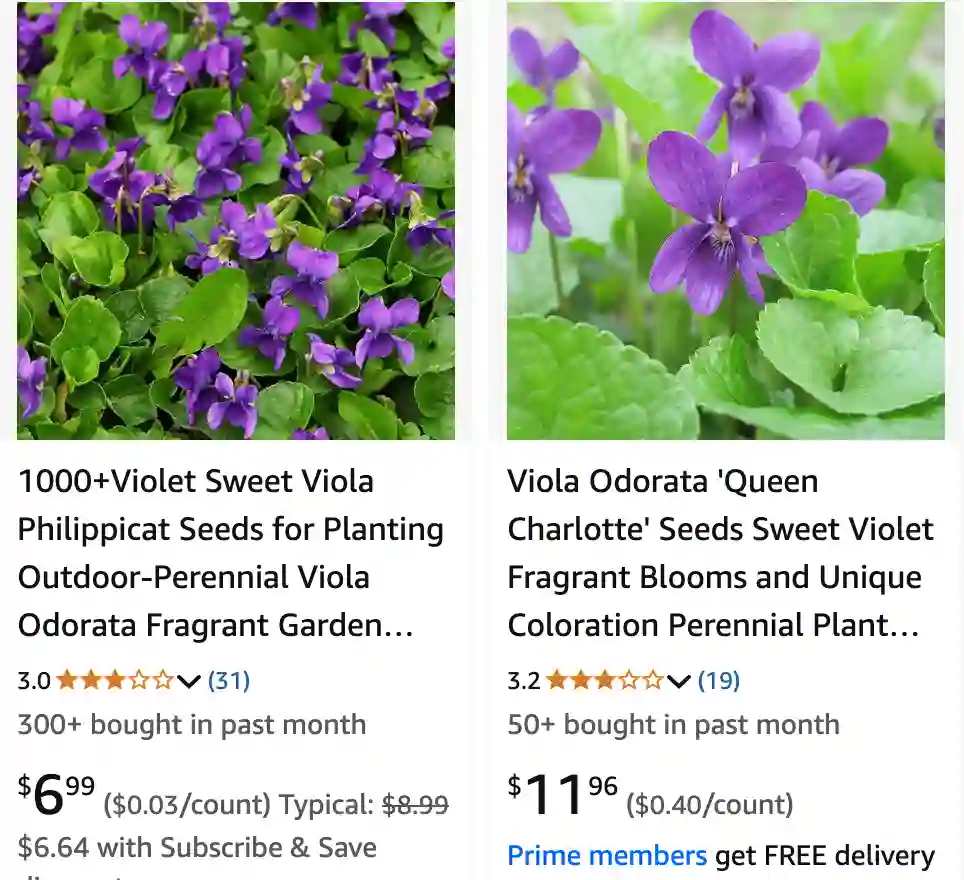
Viola Odorata has fascinated me for years, not only for its delicate beauty but also for its rich history and uses. This little flower, often called Sweet Violet, pops up in gardens and wild spaces with a subtle charm that’s hard to miss. Over time, I’ve gathered many questions from friends and fellow plant enthusiasts about Viola Odorata, so I decided to share my insights and experiences here. Whether you’re curious about its edibility, how it compares to other violets, or its care, this article will cover the most frequently asked questions in a clear, concise way.
Is Viola Odorata Edible?
One of the most common questions I get is whether Viola Odorata is edible. Yes, it absolutely is! The flowers and leaves of Viola Odorata are edible and have been used in culinary and medicinal traditions for centuries. The sweet-scented petals add a lovely touch to salads, desserts, and even teas. I’ve personally enjoyed crystallized Viola Odorata flowers on cakes—they bring a beautiful flavor and aroma without being overpowering.
That said, like any wild or garden plant, you must ensure it hasn’t been treated with pesticides or chemicals before eating. Also, always introduce new edible flowers gradually into your diet to check for any allergic reactions.
Viola Odorata vs Viola Sororia: What’s the Difference?
Another frequent question revolves around the difference between Viola Odorata and Viola Sororia. I’ve spent some time growing both, and here’s what I’ve learned:
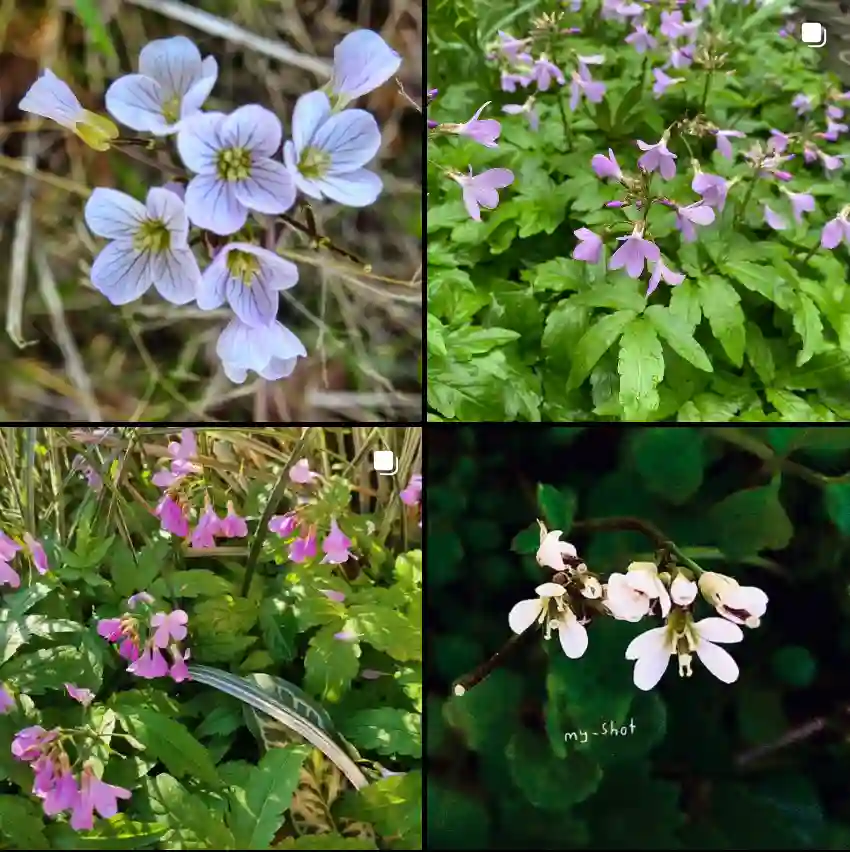
- Viola Odorata is known for its strong, sweet fragrance, hence the name “Odorata” which means “fragrant.” Its flowers are typically deep purple or violet but sometimes appear in white or pale shades. The petals are rounded and somewhat heart-shaped.
- Viola Sororia, commonly called the common blue violet or wood violet, is less fragrant or sometimes completely scentless. The flowers usually have a lighter purple hue with a white center and more elongated petals.
In my experience, Viola Odorata tends to be more delicate and grows well in shaded, moist environments, whereas Viola Sororia is hardier and more tolerant of various conditions. If you want a fragrant addition to your garden, Viola Odorata is the way to go.
What Are the Medicinal Uses of Viola Odorata?
Historically, Viola Odorata has been used in herbal medicine for respiratory issues, skin conditions, and inflammation. I’ve read about its use in teas to soothe coughs and colds. The flower contains salicylic acid, which is related to aspirin, and has mild anti-inflammatory properties.
In my garden, I’ve tried making a simple infusion from the leaves and flowers when feeling under the weather. It’s gentle and comforting. Still, I recommend consulting with a healthcare professional before using it medicinally.
How Do You Grow Viola Odorata?
Growing Viola Odorata is straightforward if you mimic its natural conditions. It thrives in partial shade and prefers well-drained, moist soil rich in organic matter. I plant mine under trees or near shaded garden beds where the soil stays cool. Regular watering is important, especially in dry periods, but avoid waterlogging.
I’ve noticed that Viola Odorata spreads via rhizomes, so it can slowly colonize an area. If you want to control its growth, you’ll need to trim back or transplant excess plants.
Can Viola Odorata Be Used in Perfumes or Cosmetics?
The sweet fragrance of Viola Odorata makes it popular in perfumery and cosmetic products. The violet scent is subtle but lingering, often used in luxury perfumes. Personally, I love how the flower’s aroma lingers softly after a walk in a garden full of Viola Odorata.
You might also find violet extracts or oils in skincare products due to their soothing properties. While I haven’t experimented with making my own extracts, I appreciate the way commercial products capture the delicate essence of this flower.
Is Viola Odorata Invasive?
Viola Odorata is generally not considered invasive, but because it spreads via underground rhizomes, it can form dense mats if left unchecked. In my garden, it stays in bounds because I keep an eye on it, but if you’re planting in a small space or near other plants, you might want to monitor its spread.
Are There Different Varieties of Viola Odorata?
Yes, there are several cultivars and varieties of Viola Odorata that differ mainly in flower color. While the typical deep violet is most common, you can also find white, pale lavender, and even bi-colored flowers. Some hybrids have been developed to enhance fragrance or flower size.
Additional Uses and Cultural Significance
Viola Odorata has also been used as a symbol in poetry and literature, often representing modesty, love, or remembrance. In folklore, it’s said to have protective properties and is sometimes associated with spring and renewal. I find this cultural background adds an enchanting layer to the simple act of growing these flowers.
Conclusion
In my journey with Viola Odorata, I’ve come to appreciate it not just for its beauty but for its versatility—from edible flowers to natural remedies and garden charm. If you’re thinking about adding it to your collection or simply want to know more about this fascinating plant, I hope these FAQs answer your main questions.

If i die, water my plants!