As someone who’s spent a lot of time researching natural health remedies, Vitex Agnus-Castus is a herb that keeps coming up. Sometimes called Chaste Tree, it’s known for its long history in traditional medicine, especially for women’s health. If you’ve ever wondered about this intriguing plant, you’re not alone. Here, I want to answer some of the most common questions I’ve encountered about Vitex Agnus-Castus based on my experience and research.
What Does Vitex Agnus-Castus Do?
Vitex Agnus-Castus primarily works by influencing hormone levels, particularly those related to the menstrual cycle. It interacts with the pituitary gland to help regulate the production of certain hormones like prolactin, which can affect menstrual cycles and symptoms of PMS. Many people use it to support hormonal balance and ease symptoms such as mood swings, breast tenderness, and irregular periods.
What Is Vitex Agnus-Castus?
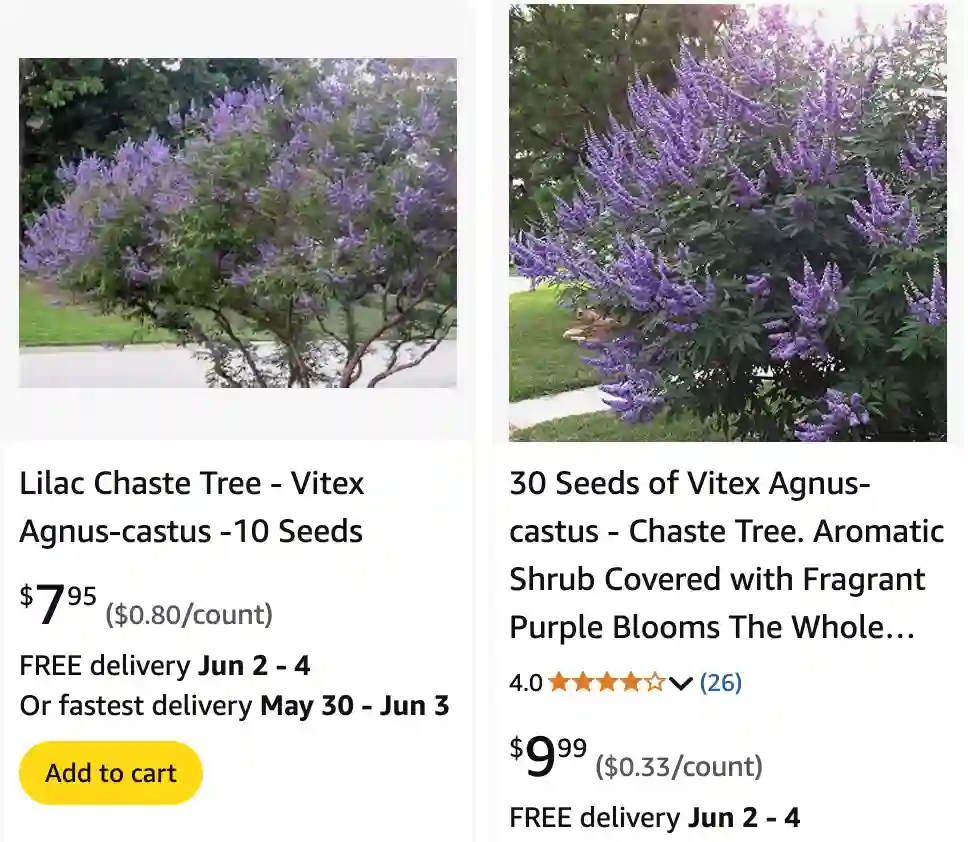
Vitex Agnus-Castus is a deciduous shrub native to the Mediterranean region. It produces small purple flowers and black berries, which are often used in supplements. The plant has been traditionally called “Chaste Tree” because it was historically believed to reduce sexual desire, particularly among monks. Today, it’s primarily valued for its effects on women’s reproductive health.
What Is Vitex Agnus-Castus Good For?
In my experience and from what I’ve learned, Vitex Agnus-Castus is especially good for managing premenstrual syndrome (PMS), premenstrual dysphoric disorder (PMDD), and irregular menstrual cycles. It’s also helpful for symptoms of menopause, such as hot flashes and mood fluctuations. Some women turn to it to help balance hormones without synthetic drugs.
What Is Vitex Agnus-Castus Used For?
Vitex Agnus-Castus is used as a natural remedy for hormone-related issues. It’s often taken to alleviate PMS symptoms, regulate menstrual cycles, and support fertility. Some people also use it to help with conditions like luteal phase defect and to reduce excessive menstrual bleeding. I’ve seen it recommended by herbalists and integrative doctors for these purposes.
Where Can I Buy Vitex Agnus-Castus?
You can find Vitex Agnus-Castus in many health food stores, herbal shops, and online marketplaces. I usually look for reputable brands that provide standardized extracts to ensure potency and quality. It’s commonly available in capsules, tinctures, and dried berry form.
Where To Buy Vitex Agnus-Castus?
When searching for where to buy Vitex Agnus-Castus, I recommend checking natural supplement stores or trusted online retailers like Amazon, iHerb, or specialty herbal suppliers. Always verify the product reviews and ingredient lists to avoid fillers or low-quality extracts.
Does Vitex Agnus-Castus Help Fertility?
This is one of the most asked questions. From my research and anecdotal evidence, Vitex Agnus-Castus may support fertility by helping to regulate menstrual cycles and improve luteal phase length, which is crucial for implantation. It can also help reduce elevated prolactin levels that sometimes interfere with ovulation. However, it’s not a miracle fertility cure, but rather a supportive herb that may improve your chances when combined with other healthy lifestyle habits.
How To Take Vitex Agnus-Castus?
Typically, Vitex Agnus-Castus is taken as a daily supplement, often in capsule form or as a tincture. The usual dosage ranges from 400 mg to 1000 mg per day, but I always suggest consulting with a healthcare provider for personalized advice. Consistency is key; it can take several weeks (sometimes up to three months) to notice effects because it works gradually on hormone regulation.
How To Use Vitex Agnus-Castus?
Using Vitex Agnus-Castus is straightforward — take it at the same time daily, preferably in the morning or evening with meals to improve absorption. Some people follow a cyclical pattern, taking it during the first half of their menstrual cycle, but most take it continuously. Monitoring your symptoms helps determine what approach works best.
Is Vitex The Same As Agnus Castus?
Yes, Vitex and Agnus Castus refer to the same plant, Vitex Agnus-Castus. “Vitex” is the genus name, and “Agnus-Castus” is the species. Sometimes you’ll see it labeled simply as Vitex, but they are interchangeable in the context of herbal supplements.
What Are The Benefits Of Vitex Agnus-Castus?
The benefits of Vitex Agnus-Castus are mainly related to women’s reproductive health. It helps balance hormones, reduce PMS symptoms, improve menstrual regularity, and support mild menopausal symptoms. Additionally, some people report mood stabilization and improved breast tenderness. The scientific community continues to explore its full range of benefits, but traditional use and clinical trials support these effects.
When To Take Vitex Agnus-Castus?
When to take Vitex Agnus-Castus depends on your goal. For most hormone-related issues, daily intake throughout the month is common. Some herbalists suggest starting on day one of your menstrual cycle and stopping on day 14, but continuous use seems to work better for many. Since it affects hormones gradually, patience is essential.
Are There Any Side Effects Of Vitex Agnus-Castus?
While Vitex is generally well-tolerated, some people might experience mild side effects like headaches, nausea, or digestive upset. Rarely, allergic reactions can occur. I always recommend talking with your doctor before starting any herbal supplement, especially if you’re pregnant, breastfeeding, or on hormonal medications.
Final Thoughts
From my personal exploration, Vitex Agnus-Castus is a fascinating herb with promising benefits for hormonal health and fertility support. Its long history and growing scientific backing make it a valuable option for many women seeking natural alternatives. If you’re curious about trying it, make sure to choose high-quality products, follow dosage guidelines, and give it time to work.

If i die, water my plants!