I’ve spent years growing and comparing plants. Yucca Gloriosa has always stood out. This plant is not only beautiful, but also hardy and low maintenance. Below are the most common questions I get about this spiky wonder.
54 Species in Genus Yucca
What Is Yucca Gloriosa?
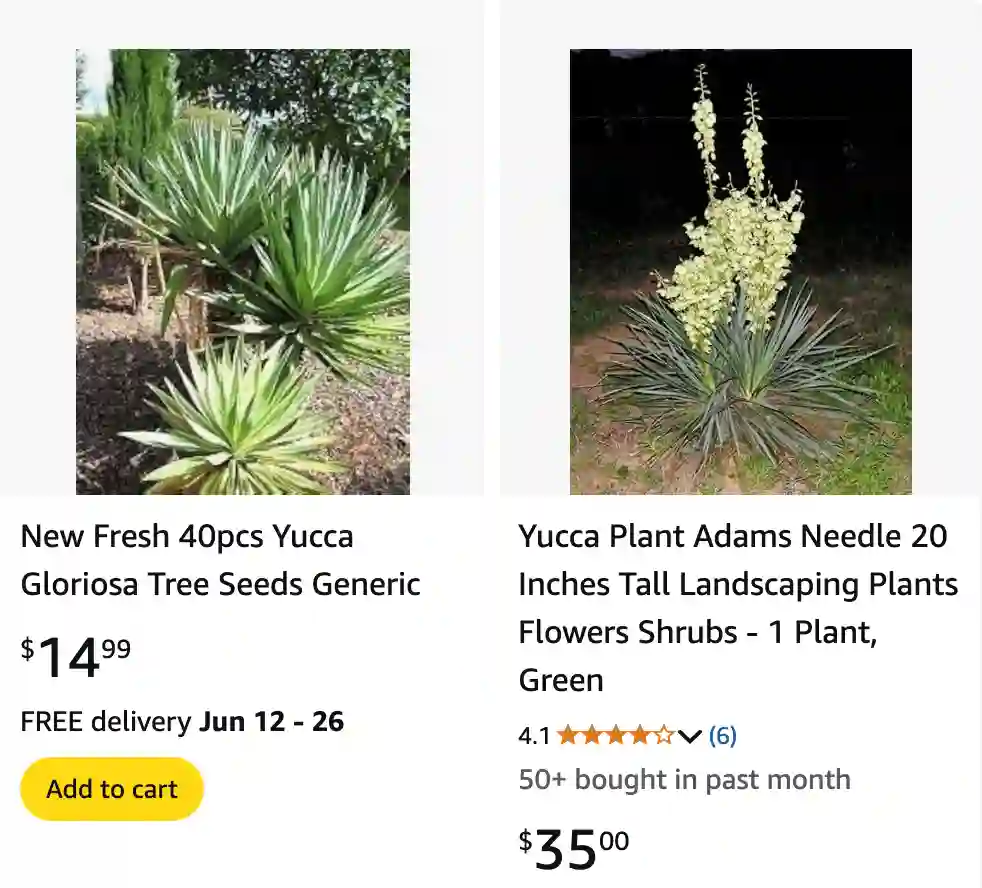
Yucca Gloriosa, often called Spanish Dagger or Mound Lily Yucca, is a perennial evergreen shrub native to the southeastern United States. It belongs to the Asparagaceae family, specifically the Agavoideae subfamily. It grows in a rosette form and is loved for its bold, sword-like leaves and tall spikes of white, bell-shaped flowers.
How Tall Does Yucca Gloriosa Grow?
In my experience, Yucca Gloriosa usually reaches 3 to 5 feet tall, with its flower stalk shooting up to 8 to 10 feet. Its mature form can look almost tree-like, with multiple stems if left unpruned. The leaves are stiff, sometimes sharp, and add a striking architectural element to any landscape.
Is Yucca Gloriosa Cold Hardy?
Yes, and this is one of my favorite things about it. Unlike other tropical-looking plants, Yucca Gloriosa is cold hardy down to USDA zone 6. I’ve seen it withstand frosts and light snow without skipping a beat. The key is good drainage; soggy soil in winter is its enemy.
Can I Grow Yucca Gloriosa in Containers?
Absolutely. I’ve kept Yucca Gloriosa in large ceramic pots on my patio. Just be sure the container has excellent drainage. Use a cactus or succulent mix and avoid overwatering. The plant doesn’t like wet feet. It thrives with a bit of neglect, making it ideal for busy or forgetful gardeners.
How Often Should I Water It?
Very rarely. I water newly planted Yucca Gloriosa once a week until established. After that, it needs water only during extended droughts. Overwatering is the fastest way to kill this plant. Think desert, not jungle.
What’s the Difference Between Yucca Gloriosa and Yucca Filamentosa?
Both are native to the southeastern U.S., but I can tell them apart at a glance:
- Yucca Filamentosa has thinner, more pliable leaves with curly filaments along the edges.
- Yucca Gloriosa has thicker, glossier leaves and tends to form a trunk as it matures.
Also, Filamentosa spreads more via underground rhizomes, while Gloriosa grows in clumps.
What’s the Difference Between Yucca Gloriosa and Yucca Aloifolia?
This one’s trickier. Both are tree-forming yuccas, and they can hybridize. But here’s how I spot the difference:
- Yucca Aloifolia, also called Spanish Bayonet, has sharper, rigid leaf tips and is more likely to puncture skin.
- Yucca Gloriosa has softer leaf tips (still pointed, but not dangerous).
I prefer Gloriosa for areas with foot traffic or kids.
Does Yucca Gloriosa Bloom?
Yes, and it’s a showstopper. In late summer or early fall, tall flower stalks shoot up, bearing creamy white, sometimes slightly pink flowers. These flowers attract pollinators like moths, especially the yucca moth, which has a symbiotic relationship with the plant.
Is Yucca Gloriosa Toxic?
Yes, the plant contains saponins, which can be toxic to pets if ingested. I always keep it out of reach of my dogs and cats. However, deer and rabbits usually leave it alone, making it a great deer-resistant option.
What Are Common Problems with Yucca Gloriosa?
Not many. But I’ve seen:
- Root rot from overwatering or poorly draining soil.
- Leaf spot in humid, rainy climates.
- Scale insects and aphids on rare occasions.
Most of these are easy to treat or prevent with good planting practices.
Can I Prune or Propagate It?
Yes to both. I prune Yucca Gloriosa by removing dead leaves or cutting the stalk to shape it. It tolerates a heavy cutback and bounces back fast.
To propagate, I use offsets or cut stem sections. Just let them callous over and replant in sandy soil. Roots will form in a few weeks.
Is Yucca Gloriosa Good for Xeriscaping?
One hundred percent. It thrives in hot, dry areas and pairs well with agaves, sedums, and ornamental grasses. I often use it in coastal gardens, rock gardens, or Mediterranean-style landscapes.
Can Yucca Gloriosa Be Used Indoors?
Technically, yes, but I don’t recommend it long-term. It needs full sun and lots of airflow. Indoors, it tends to get leggy and prone to rot. If you must keep it inside, use a bright south-facing window and avoid overwatering.
Final Thoughts from Ferb Vu
Yucca Gloriosa is one of those plants that gives more than it takes. It adds drama, structure, and resilience to any space. It survives neglect, thrives in tough soils, and looks striking all year. Whether you’re a xeriscape gardener or just someone who forgets to water, this plant delivers.

If i die, water my plants!