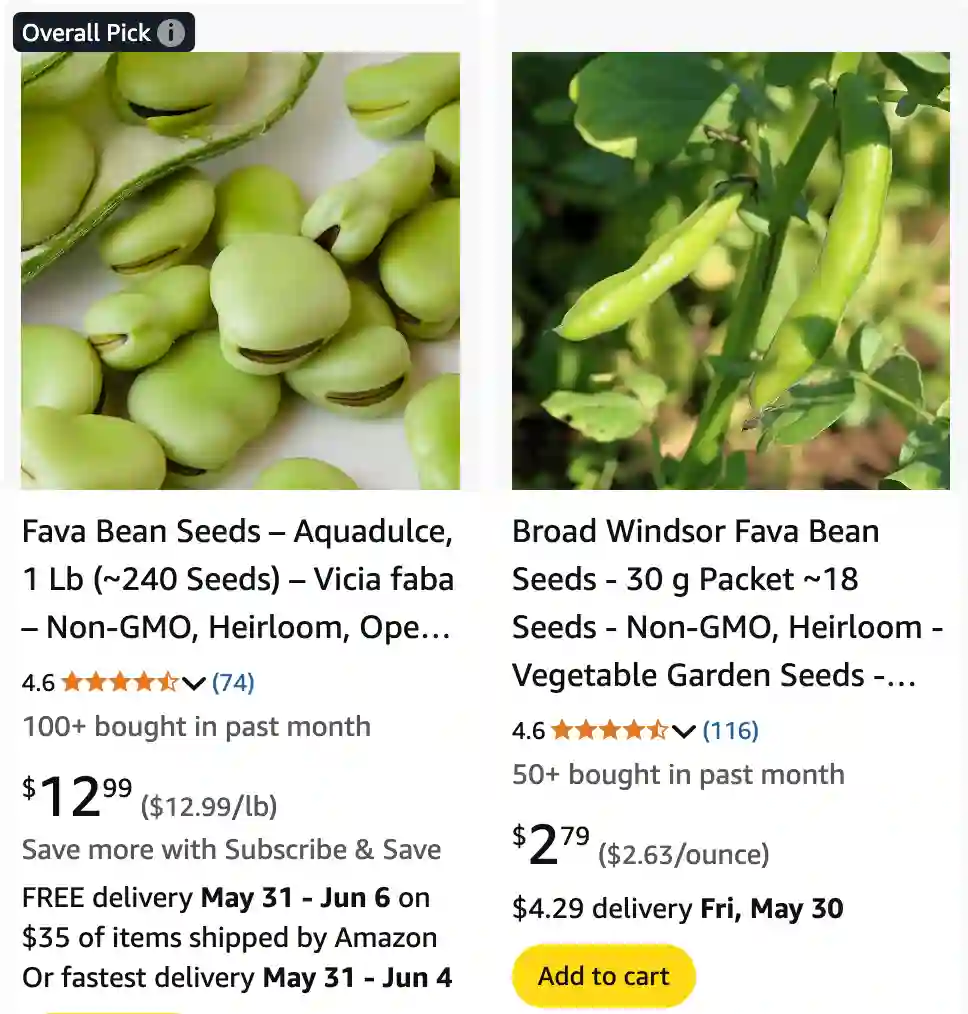
I’ve grown many plants, but Vicia Faba—better known as the fava bean—has a special place in my garden and my diet. Whether you’re a home gardener, a soil health enthusiast, or just a fan of beans, this legume deserves your attention. Here’s everything you might want to know about Vicia Faba, from a personal lens.
What Is Vicia Faba, and Why Do I Grow It?
Vicia Faba is a cool-season legume, famous for its protein-rich edible seeds. It’s a member of the Fabaceae family and is often called broad bean, field bean, or horse bean depending on the variety.
I grow it because it gives me three wins:
- Food – The beans are delicious fresh or dried.
- Soil Enrichment – It fixes nitrogen in the soil, improving fertility for future crops.
- Pollinator Appeal – Bees go wild for its flowers.
From early spring to late fall, this plant becomes a central figure in my seasonal crop plan.
How Do I Plant and Grow Vicia Faba?
I sow Vicia Faba directly in the soil once the ground is workable—usually late winter to early spring. It can handle frost better than most legumes, which makes it a dependable early starter.
Here’s my basic planting guide:
- Spacing: 6–8 inches apart
- Depth: 1–2 inches deep
- Sunlight: Full sun
- Soil: Well-drained, with a neutral to slightly alkaline pH
I water deeply once a week. In my experience, they don’t love heat, so I avoid growing them during peak summer.
Is Vicia Faba Good for the Soil?
Absolutely. Vicia Faba is one of my go-to green manure crops. Like other nitrogen-fixing legumes, it partners with rhizobial bacteria in its root nodules to capture atmospheric nitrogen and store it in the soil.
When I till under the mature plants before seed set, the result is rich, friable soil ready for heavy feeders like tomatoes or brassicas. It’s sustainable farming in its simplest form.
How Does Vicia Faba Compare to Peas or Lentils?
Great question. I grow all three, and here’s how they stack up in my experience:
| Trait | Vicia Faba (Fava Bean) | Pisum Sativum (Pea) | Lens Culinaris (Lentil) |
|---|---|---|---|
| Cold Tolerance | Excellent | Good | Moderate |
| Size | Large plant, large pod | Compact plant | Very small seeds |
| Soil Impact | Strong nitrogen fixer | Moderate | Moderate |
| Harvest Season | Spring/Early Summer | Spring | Late Summer |
Fava beans are the workhorses in early-season gardens. They take more space than peas or lentils, but they give more back to the soil and pantry.
Are There Different Types of Vicia Faba?
Yes. I’ve grown several cultivars, and they fall into two broad types:
- Small-seeded types (field or horse beans): Often grown as animal feed or cover crops.
- Large-seeded types (broad beans): These are what I harvest for kitchen use.
My personal favorites are ‘Aquadulce Claudia’ for early planting and ‘Windsor’ for bigger, buttery beans. Some gardeners also choose biological nitrogen-fixation-specific strains when planting for green manure.
What Pests or Diseases Affect Vicia Faba?
I’ve had to battle a few common foes over the years:
- Aphids – I spray with neem oil or release ladybugs.
- Chocolate Spot Fungus – Common in damp conditions. I ensure good air circulation.
- Black Bean Aphid – These cluster on the soft shoots. Pinching them early helps.
Crop rotation and clean soil practices usually keep my problems to a minimum. I avoid planting them in the same spot each year.
Can People with G6PD Deficiency Eat Vicia Faba?
This is an important health note. Vicia Faba can trigger favism, a severe reaction in individuals with G6PD deficiency. This isn’t something I worry about personally, but I always mention it when sharing beans or recipes.
Is Vicia Faba Edible Raw?
Technically yes, but I don’t recommend it. Raw beans contain vicine and convicine, which can be toxic in large amounts, especially to people with G6PD deficiency.
I always blanch or cook them. Even a quick boil enhances the texture and flavor.
What Are the Culinary Uses of Vicia Faba?
In my kitchen, Vicia Faba is a star. I use it in:
- Hummus variations
- Stews and minestrone
- Pasta primavera
- Sauteed with garlic and olive oil
After removing the outer skin (a process called double-shelling), the tender green beans become sweet, nutty, and full of plant-based protein, fiber, iron, and folate.
How Do I Save Seeds from Vicia Faba?
I always let a few pods dry fully on the plant. Once they turn brown and brittle, I harvest and shell them. I store the beans in a cool, dry place, and they stay viable for up to five years.
I only save seeds from healthy plants, and I isolate different cultivars by at least 50 feet to reduce cross-pollination.
Why Should You Grow Vicia Faba?
Let me put it simply—Vicia Faba is a low-effort, high-reward crop.
It improves your soil, feeds your family, and attracts bees. If you want to grow a plant that supports both your garden ecosystem and your pantry, start here.
In a world moving toward regenerative agriculture and food security, I think this humble bean is a powerhouse.

If i die, water my plants!