I’m Ferb Vu, and I grow all kinds of plants. One native vine I’ve worked with closely is Vitis Riparia, also called the Riverbank Grape. If you’ve ever spotted a fast-growing grapevine climbing along fences, riverbanks, or forests in North America—chances are, you saw Vitis Riparia. I’ve learned quite a bit from growing and observing it, and I want to share what I know through real questions people often ask me.
84 Species in Genus Vitis
What Is Vitis Riparia?
Vitis Riparia is a cold-hardy, deciduous grapevine native to eastern and central North America. It’s part of the Vitaceae family. Unlike most commercial grape varieties, which come from Vitis Vinifera, Vitis Riparia thrives in tough climates and poor soils.
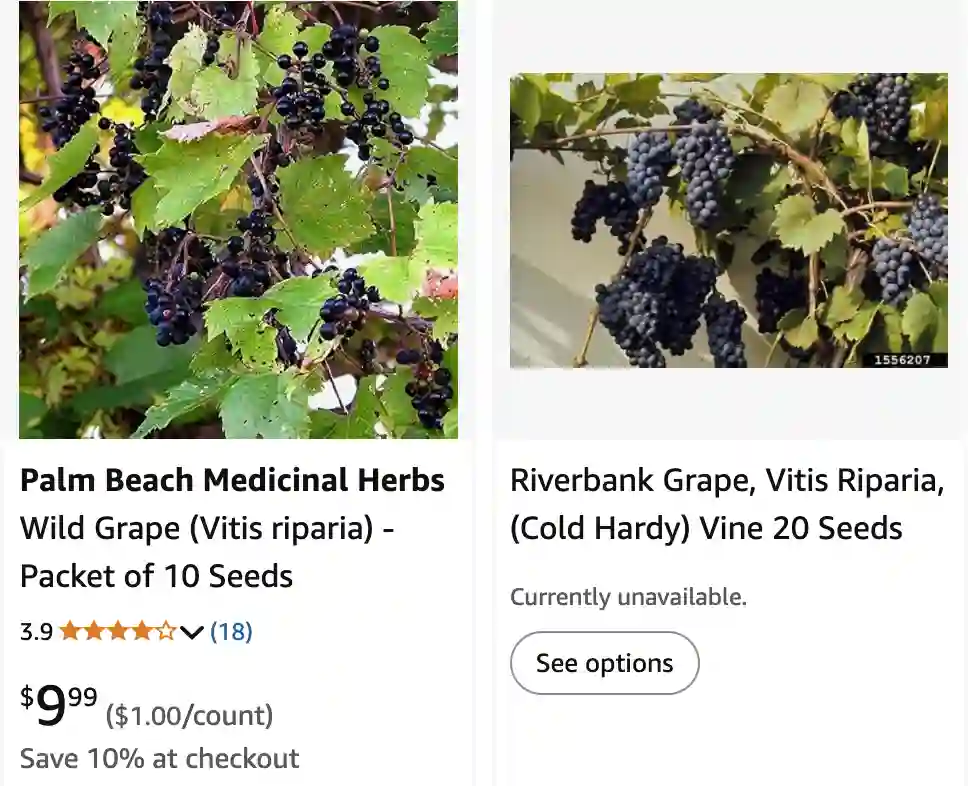
Its small, bluish-black grapes aren’t sweet like store-bought ones, but they’re rich in polyphenols and used in breeding programs for disease resistance. I’ve also found the vine useful for erosion control, pollinator support, and rootstock grafting.
How Does Vitis Riparia Compare to Vitis Vinifera?
This is a question I get all the time. Let me break it down:
- Cold Hardiness: Vitis Riparia handles brutal winters. I’ve seen it survive -30°F easily. Vitis Vinifera needs more care and often struggles in my colder zones.
- Fruit Flavor: Riparia’s grapes are tart and seedy. Vinifera grapes, like Cabernet Sauvignon or Chardonnay, are much sweeter and ideal for wine.
- Growth Habit: Riparia is vigorous—almost aggressive. It’ll climb anything. Vinifera vines are more delicate and controlled.
- Disease Resistance: This is where Riparia shines. It has strong resistance to downy mildew, powdery mildew, and Phylloxera, a root-feeding pest that devastated vineyards in the 19th century.
In short, Riparia is a survivor. Vinifera is a specialist.
Can I Eat the Grapes?
Yes, you can eat Vitis Riparia grapes, but know this—they’re intense. The skin is tough, the seeds are big, and the flavor is strong. Some call it foxy, a word used to describe the musky, wild taste of native American grapes like this one.
I sometimes make jelly, juice, or even wild wine with them, but I blend them with sweeter fruit. They’re excellent for fermentation if you balance them out.
Is Vitis Riparia Good for Wildlife?
Absolutely. In my garden, I’ve watched birds like cedar waxwings, robins, and catbirds feast on its fruit. Pollinators, especially native bees, love the tiny white flowers in late spring. It also provides shelter for small mammals and climbing support for other vines like Virginia creeper.
It’s an ecological powerhouse.
Can I Use Vitis Riparia as a Rootstock?
Yes—and it’s widely done. Vitis Riparia’s strong root system is resistant to Phylloxera, making it perfect for grafting more sensitive vines like Vitis Vinifera. Many commercial vineyards in the U.S. and Europe use it for this purpose.
Personally, I’ve had success using it to graft both table and wine grape varieties. The vigor it provides is unmatched.
What Conditions Does It Need?
Here’s what I’ve learned from growing it:
- Light: Full sun is best. It tolerates part shade but fruits less.
- Soil: Tolerates poor, rocky, or even sandy soils. Prefers well-drained loam.
- Water: Moderate once established. Young vines need consistent watering.
- Spacing: Give it room—this vine spreads fast. I plant it 8–10 feet apart.
It adapts well to a variety of climates, from USDA zones 2 through 7.
Is It Invasive?
This depends on your region. In its native range, it fits well into the local ecology. But in places where it’s non-native, it can become invasive. Its fast growth allows it to outcompete native shrubs and trees.
In my experience, you need to prune aggressively to control it. I cut mine back in late winter and keep it off nearby plants. If you stay on top of it, it won’t get out of hand.
How Does Vitis Riparia Compare to Muscadine Grapes?
Here’s what I’ve noticed:
- Climate: Muscadines thrive in the southeastern U.S., in warm, humid areas. Riparia does best in colder northern zones.
- Fruit Size: Muscadine grapes are large, thick-skinned, and sweet. Riparia grapes are smaller and tangier.
- Uses: Muscadines are grown for fresh eating and sweet wines. Riparia is more of a wild food or breeding stock.
If you live in the South, go with Muscadines. In the North? Riparia is your friend.
Is It Worth Growing in a Home Garden?
If you want a low-maintenance, cold-hardy vine that benefits wildlife and offers potential for grafting or natural winemaking, yes. Just remember:
- It’s not for neat, tidy gardeners.
- It’s not sweet like Concord grapes.
- But it’s tough, reliable, and ecologically rich.
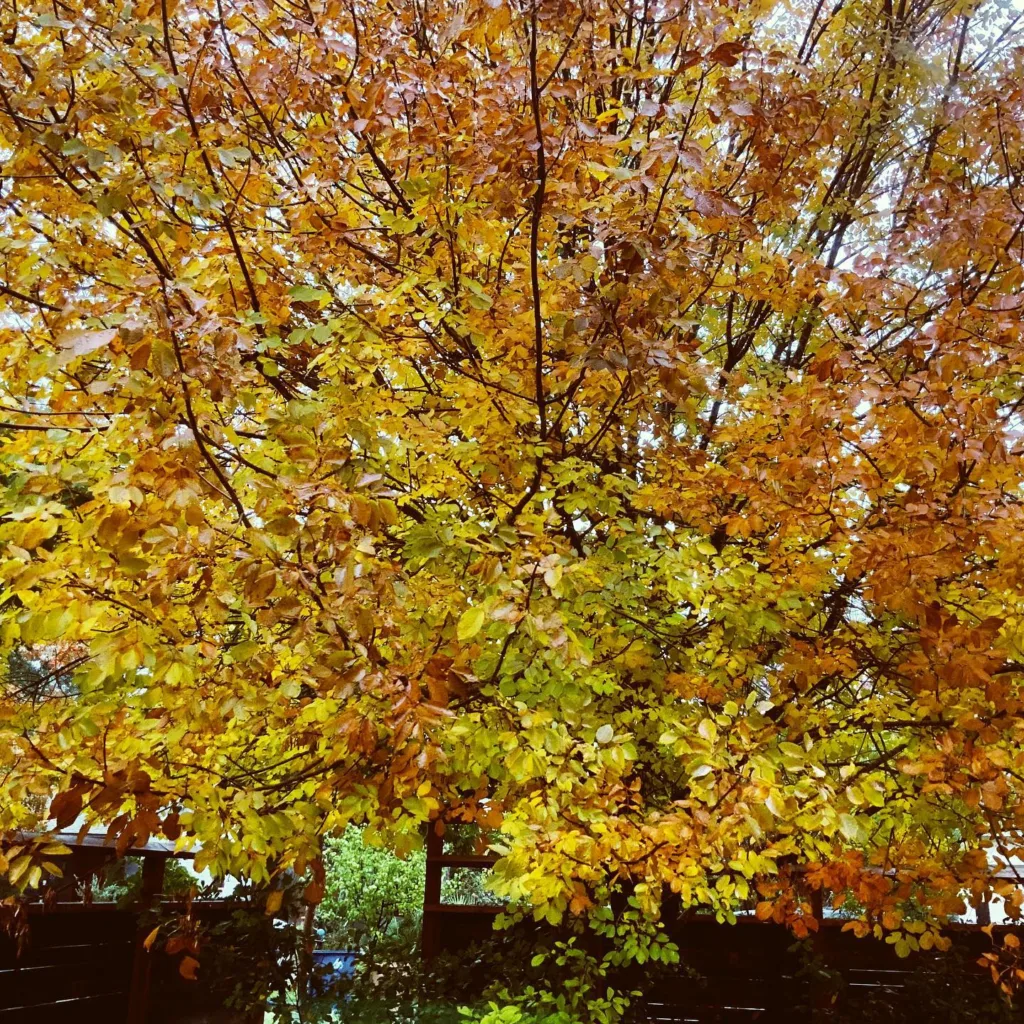
I grow it along a fence to block wind and give privacy. The fall color is also a plus—leaves turn yellow or scarlet, depending on conditions.
Final Thoughts from My Garden
Vitis Riparia might not win any taste tests, but it’s a workhorse vine that earns its place in my garden. I use it to stabilize soil, feed wildlife, and even anchor grafts. It’s not showy or delicate—but it’s honest. And I respect that.
If you live in a northern climate and want a vine that grows with grit, resists disease, and asks little from you, give Riparia a shot. Just be ready with your pruners.

If i die, water my plants!