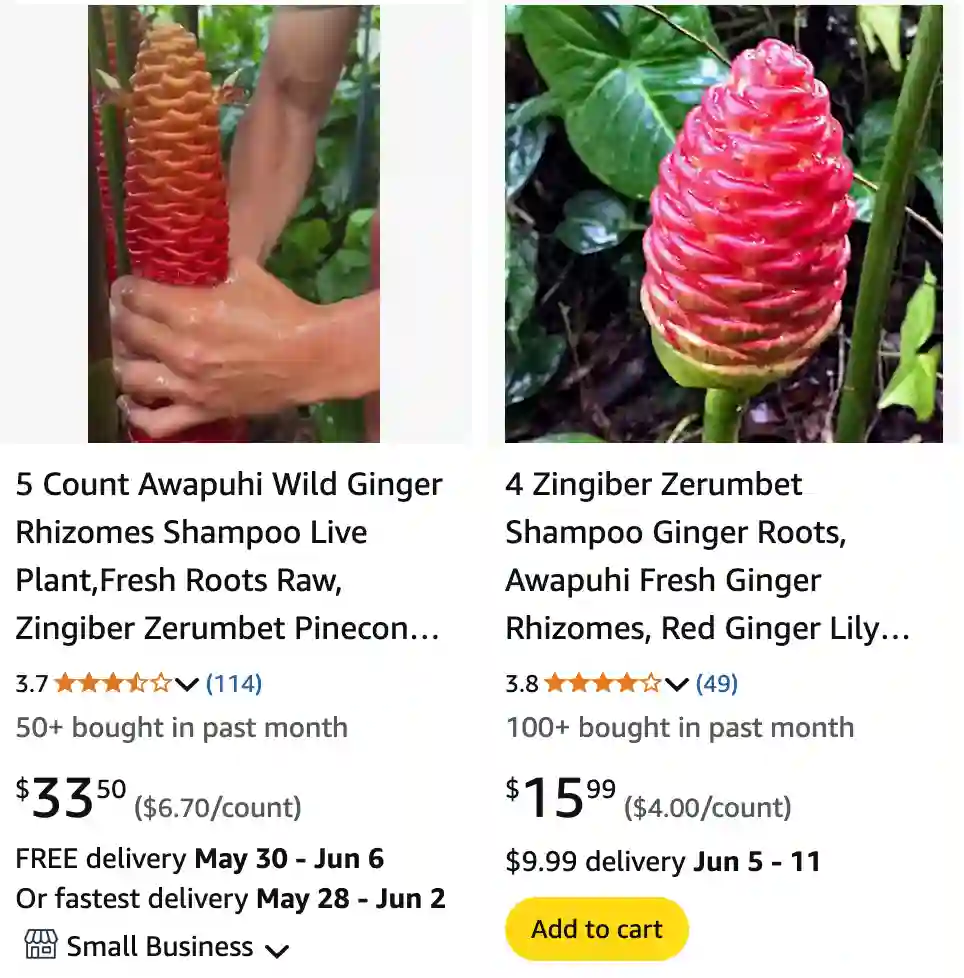
I’ve always been fascinated by Zingiber Zerumbet, commonly known as Shampoo Ginger. It’s a stunning tropical plant that adds a lush, exotic touch to any garden. Over the years, I’ve gathered a lot of practical knowledge about this unique plant, and I want to share answers to some of the most frequently asked questions I get about it—especially questions about where to buy Zingiber Zerumbet and how to grow Zingiber Zerumbet successfully.
What Is Zingiber Zerumbet?
Zingiber Zerumbet is a perennial tropical plant native to Southeast Asia and the Pacific Islands. It belongs to the ginger family, Zingiberaceae, and is prized for its distinctive cone-shaped flower heads that produce a fragrant, amber-colored liquid. This liquid was traditionally used by Polynesians as a natural shampoo and conditioner—hence the name “Shampoo Ginger.”
When I first saw Zingiber Zerumbet, I was drawn to its dramatic red and green flower cones and its broad, lush leaves. The plant can reach up to 6 feet tall, making it a bold, architectural addition to gardens.
Where to Buy Zingiber Zerumbet?
If you’re wondering where to buy Zingiber Zerumbet, here’s what I’ve learned from my own search. This plant isn’t always available at common garden centers, so you’ll want to explore specialty tropical nurseries or online plant stores.
I found the best sources to be nurseries that specialize in exotic or tropical plants, as well as reputable online sellers who ship healthy rhizomes or potted plants. When buying online, check reviews to ensure the plants or rhizomes arrive in good condition. If you live in a warm climate like USDA zones 9-11, local tropical plant sellers might also have them available seasonally.
How to Grow Zingiber Zerumbet
Growing Zingiber Zerumbet has been one of the more rewarding gardening experiences for me. Here’s a concise breakdown of how to grow Zingiber Zerumbet effectively:
- Climate & Location: This plant thrives in warm, humid climates, ideally USDA zones 9-11. It loves partial to full shade but tolerates some morning sun. I keep mine in a spot that gets dappled sunlight under taller trees, mimicking its natural understory habitat.
- Soil Requirements: Well-draining, rich soil is key. I mix organic compost into the planting bed to improve moisture retention and fertility. It prefers slightly acidic to neutral soil pH.
- Planting: Zingiber Zerumbet grows from rhizomes, which you plant horizontally about 2 inches deep. Keep the soil consistently moist but not waterlogged. I plant mine in spring after the last frost.
- Watering: Regular watering is crucial during the growing season, especially in hotter months. I water mine thoroughly about twice a week but adjust based on rainfall.
- Fertilizing: I use a balanced, slow-release fertilizer in early spring and mid-summer to support vigorous growth.
- Maintenance: Prune dead or damaged leaves to encourage airflow and reduce pests. It spreads through rhizomes, so you may need to divide clumps every few years to control growth and propagate new plants.
Common Challenges and Pests
In my experience, Zingiber Zerumbet is relatively pest-resistant, but it can occasionally attract aphids or spider mites. I manage these with natural insecticidal soaps or neem oil, which keeps the plants healthy without harming beneficial insects.
Root rot can be a problem if the soil stays too wet, so drainage is essential. I learned this the hard way after overwatering a batch of new plants.
Additional Benefits and Uses
Besides being an ornamental treasure, Zingiber Zerumbet has a rich cultural and practical history. The liquid inside the flower cones is a natural shampoo and conditioner, known for its soothing, moisturizing properties. I’ve tried harvesting the liquid myself—it’s a fun process, and the scent is refreshing.
Medicinally, traditional practices use it as an anti-inflammatory and digestive aid, though I always recommend researching or consulting experts before any medicinal use.
Why I Recommend Zingiber Zerumbet
If you’re drawn to tropical plants that bring visual interest and cultural heritage, Zingiber Zerumbet is a fantastic choice. It’s not only beautiful but also relatively easy to care for once you understand its needs. Its bold flower cones can last weeks, providing a unique talking point and a splash of tropical flair to any garden.

If i die, water my plants!