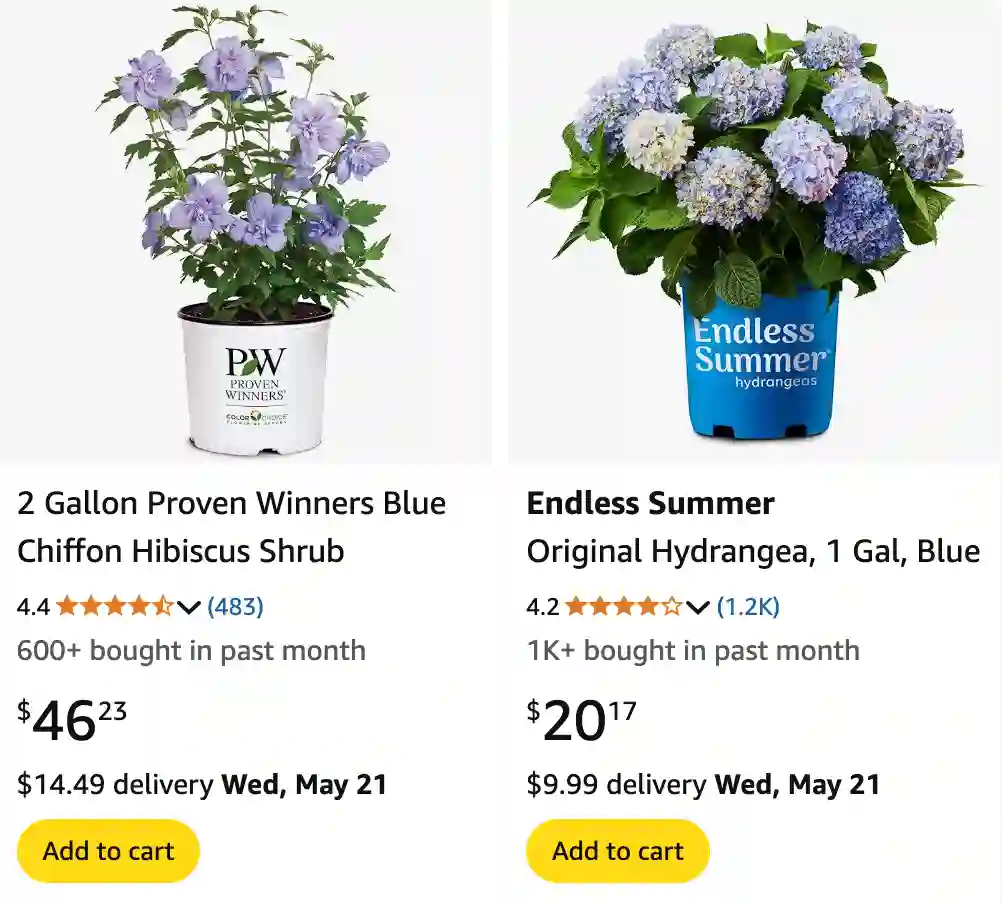
Hi, I’m Ferb Vu, and today I want to share everything I know about Blue Colored Shrubs. These plants have fascinated me for years because they bring a unique pop of color and calm to any garden. Blue is a tricky color in the plant world, so finding shrubs with truly blue hues is special. I’ll answer common questions, compare blue shrubs to other plants, and share insights based on my personal experience.
What Are Blue Colored Shrubs?
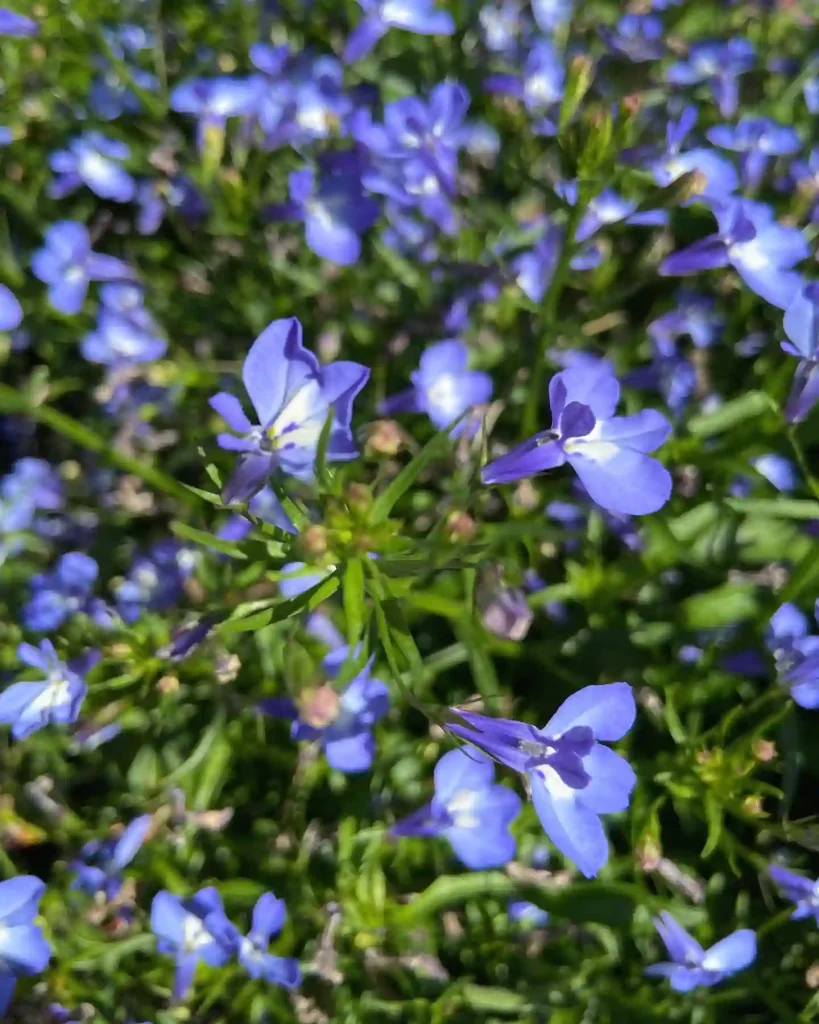
Blue Colored Shrubs are woody plants that showcase blue or bluish foliage, flowers, or berries. Unlike typical green shrubs, these plants bring a cool-toned contrast to landscapes. True blue is rare, but many shrubs have blue-gray leaves or striking blue flowers or fruits that give the appearance of blue.
For example, the Blue Mist Spirea has airy clusters of tiny blue flowers. Blueberry bushes offer edible blue berries, while the Blue Holly shows off beautiful blue leaves and berries. I love planting these shrubs because they create a cool, peaceful atmosphere in my garden, especially when paired with warmer-toned plants.
Why Choose Blue Colored Shrubs Over Green Shrubs?
Green shrubs are classic, but blue shrubs add a different dimension. They break the monotony and make a garden visually richer. In my experience, blue tones give a sense of calm and serenity that green plants don’t always provide.
If you want to highlight specific garden areas or create a color theme, blue shrubs are an excellent choice. Compared to purely green shrubs like boxwood or holly, blue shrubs catch the eye more effortlessly and can soften harsh landscape lines.
Are Blue Colored Shrubs Hard to Grow?
Many people ask if these shrubs are difficult to care for. Honestly, it depends on the species. For example, Blue Mist Spirea is pretty hardy and grows well in most temperate climates. Blueberries, however, need acidic soil and good drainage, so they require more attention.
From my experience, blue shrubs are not inherently difficult but do have specific needs. Soil type, sunlight, and watering must be considered. When you match the right blue shrub to your garden conditions, maintenance is straightforward. I usually recommend researching the shrub’s natural habitat before planting.
How Do Blue Colored Shrubs Compare to Blue Flowers?
Blue flowers are beautiful and often fleeting, but shrubs provide more lasting blue tones. For example, Blue Hydrangea flowers are stunning but last only a few weeks. Meanwhile, a shrub like the Blue Holly keeps its blue berries through winter, extending color interest.
In my garden, I combine blue shrubs with seasonal blue flowers for a layered effect. The shrubs give structure and year-round appeal, while flowers add bursts of seasonal color. This mix keeps the garden vibrant and interesting.
Can Blue Colored Shrubs Attract Wildlife?
Yes! Many blue shrubs attract birds, bees, and butterflies. I’ve noticed that birds love the berries of Blueberry bushes and Blue Holly. The flowers of blue shrubs, such as Blue Mist Spirea, draw pollinators during blooming season.
In my experience, planting blue shrubs can boost garden biodiversity. They offer food and habitat, especially during different seasons. If you want a garden full of life, blue shrubs are a great addition.
What Are Some Popular Blue Colored Shrubs I Should Consider?
Here are some blue shrubs I’ve grown or researched that I recommend:
- Blue Mist Spirea (Caryopteris x clandonensis): Light blue flowers, drought tolerant, blooms in late summer.
- Blue Holly (Ilex x meserveae): Blue-green leaves and striking blue berries, evergreen.
- Blueberry Bush (Vaccinium spp.): Blue edible berries, attractive foliage, and flowers.
- Bluebeard (Caryopteris incana): Similar to Blue Mist, with gray-blue foliage and blue flowers.
- Russian Sage (Perovskia atriplicifolia): Not a shrub technically, but has woody stems and blue flowers, great for borders.
These plants vary in size, shape, and care needs, so choose based on your garden space and climate.
How Do Blue Colored Shrubs Fit Into Garden Design?
Blue shrubs are versatile. I use them as focal points or accents in mixed borders. Their cool tones complement warm-colored flowers like orange marigolds or red roses beautifully. They also work well with silver or gray foliage plants, enhancing a soft, monochromatic palette.
If your garden feels too “green,” adding blue shrubs creates contrast and depth. In my experience, they can transform a simple garden into a sophisticated space. You can use blue shrubs for privacy hedges, foundation plantings, or naturalistic wild gardens.
Are There Any Downsides to Growing Blue Colored Shrubs?
No plant is perfect, and blue shrubs have some caveats. Some species, like blueberries, need acidic soil and specific care. Others might be slow growers or less cold hardy.
Also, blue color intensity can fade depending on sunlight exposure and soil nutrients. In my garden, I noticed some blue shrubs turn greener when stressed or in too much shade.
Still, I find the benefits far outweigh these minor issues if you select and care for your shrubs properly.
Can Blue Colored Shrubs Be Grown Indoors?
Most blue shrubs prefer outdoor conditions, but some can be grown indoors with enough light and care. For example, dwarf varieties of blueberry bushes or certain hollies might survive inside if placed near a bright window.
In my opinion, growing blue shrubs indoors is more challenging than outdoors due to space and light limits. However, with patience, you can enjoy their cool tones inside.
How Do Blue Colored Shrubs Compare to Other Color Shrubs?
Compared to red, yellow, or variegated shrubs, blue shrubs offer a cooler and more calming vibe. Red shrubs, like burning bush, bring energy and warmth. Yellow shrubs, such as forsythia, add brightness and cheer. Blue shrubs balance these colors and soften the landscape.
I like mixing these color shrubs for dynamic contrast. Blue shrubs provide a grounding effect, making warm colors pop without overwhelming the senses.
Final Thoughts
Blue Colored Shrubs are some of my favorite plants to grow and experiment with. They offer unique beauty, attract wildlife, and add depth to any garden design. While they may need specific care, the rewards are worth it.
If you want to explore blue hues beyond flowers and grass, try adding blue shrubs. Their cool colors can change how you see your garden, making it more relaxing and visually appealing.

If i die, water my plants!