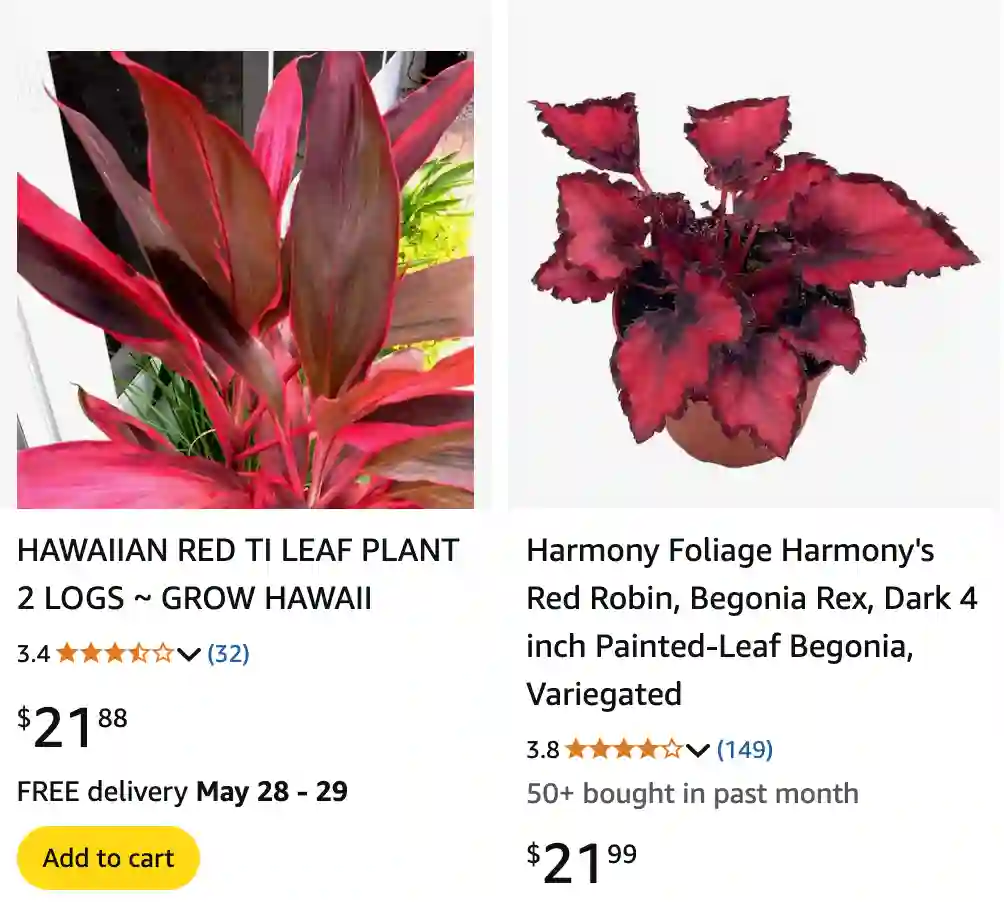
As someone who loves gardening and experimenting with different types of plants, I often get asked about Red Leaf Perennial Plants. They add a unique splash of color and texture to any garden or landscape. In this FAQ article, I’ll share what I’ve learned and experienced growing these plants, compare them to other popular varieties, and help you understand why they deserve a spot in your garden.
What Are Red Leaf Perennial Plants?
Red Leaf Perennial Plants are plants that live for more than two years and display striking red or burgundy foliage throughout their growing season. Unlike annuals, these plants come back year after year, offering consistent color and structure to your garden. Some popular examples include Heuchera (Coral Bells), Red-leaf Japanese Maples (Acer palmatum), Begonias and Coleus varieties that act like perennials in warm climates.
I love red leaf perennials because they contrast beautifully with green and yellow plants. The vibrant red hues can range from deep burgundy to bright crimson, adding depth and warmth. When I planted a mix of Heuchera ‘Palace Purple’ alongside green hostas, it created such a stunning contrast, the garden felt alive all season long.
How Do Red Leaf Perennials Compare to Green Leaf Plants?
When comparing red leaf perennials to traditional green foliage plants, the biggest difference is visual impact. Red leaves naturally draw the eye and can serve as focal points or accents in garden design.
Green leaf plants, like ferns or standard hostas, offer lush texture and a calming backdrop. Red leaf plants, in contrast, provide drama and energy. However, they can also be more sensitive to light and soil conditions. For example, many red leaf perennials prefer partial shade to prevent leaf scorch, whereas some green-leaf plants thrive in full sun.
From my experience, pairing red leaf perennials with green leaf plants creates a balanced look that feels both vibrant and natural. Red and green together engage your garden with a rich palette of colors.
Are Red Leaf Perennials Difficult to Grow?
In my journey, I’ve found that red leaf perennials aren’t inherently difficult to grow, but they do have specific needs. Many thrive in well-draining soil rich in organic matter. Overly wet soil can cause root rot, which I learned the hard way with some Heucheras.
Light is another critical factor. While some red leaf plants, like certain Japanese Maples, prefer dappled shade, others such as Coleus need brighter, indirect light to maintain their color intensity. Too much direct sun can bleach the red pigments, making leaves look dull.
Regular watering and occasional feeding with balanced fertilizer helps these plants stay healthy. Personally, I mulch around the base to retain moisture and protect roots in colder months.
What Are the Best Red Leaf Perennials for Beginners?
If you’re new to gardening, I recommend starting with hardy, low-maintenance red leaf perennials like:
- Heuchera (Coral Bells): These are incredibly versatile, drought-tolerant once established, and come in many shades of red and purple.
- Sedum ‘Autumn Joy’: With reddish foliage that matures into a deep bronze, it’s tough and requires minimal care.
- Japanese Blood Grass (Imperata cylindrica ‘Red Baron’): It’s a grassy perennial with bright red tips that really stand out in borders.
- Red-leaf Cotinus (Smoke Bush): A shrub-like perennial with fiery red foliage during summer and fall.
I started with Heuchera, and it gave me great confidence because it was forgiving and looked fantastic even when conditions weren’t perfect.
How Do Red Leaf Perennials Enhance Garden Design?
Red leaf perennials are a powerful tool for adding contrast, depth, and focal interest. When I design my garden beds, I use them to break up large swathes of green and provide a color “pop” that catches attention.
They also help with seasonal interest. Many red leaf plants maintain their color through summer and into fall, extending visual appeal when flowering perennials fade. For example, Heuchera leaves can stay vibrant even after the flowers have gone, giving the bed year-round interest.
Additionally, red foliage works well with other colors like white, silver, and yellow. I’ve found that mixing red leaf perennials with white-flowered plants like Shasta daisies or yellow daylilies creates harmonious and eye-pleasing color schemes.
Can Red Leaf Perennials Grow in Containers?
Absolutely. Many red leaf perennials adapt well to containers. Growing them in pots allows you to move them around for optimal light and highlight their beautiful foliage in patios or balconies.
I’ve grown Heuchera and Japanese Blood Grass in containers, and they did very well. One tip: make sure the pots have good drainage and use high-quality potting mix. Container plants need more frequent watering, so I keep an eye on moisture levels.
How Do Red Leaf Perennials Respond to Seasonal Changes?
Red leaf perennials vary in how their color changes with seasons. Some deepen in color during cooler weather, while others may lose vibrancy in intense summer sun.
For example, Heuchera tends to keep its color year-round in mild climates, but in colder regions, it may go dormant in winter, leaving bare roots or a faded leaf color until spring.
Japanese Maples shift through stunning seasonal colors — from bright red in spring, to darker burgundy in summer, and fiery orange-red in fall. This dynamic range is one reason I adore them.
What Are Common Challenges When Growing Red Leaf Perennials?
From my experience, some challenges include:
- Leaf scorch: Too much sun or heat can cause edges to brown.
- Pests: Slugs and snails can target soft red leaves.
- Fungal diseases: Overwatering or poor airflow leads to powdery mildew or leaf spots.
- Winter protection: In colder climates, some red leaf perennials may need mulch or cover to survive freezing temperatures.
I learned that monitoring light and watering carefully can prevent most issues.
Are There Any Red Leaf Annuals That Look Like Perennials?
Yes. Some red leaf annuals like Coleus look so vibrant that gardeners sometimes mistake them for perennials. In warm zones, Coleus can act as a perennial and return each year.
However, in colder zones, they must be replanted annually or treated as houseplants in winter. Knowing the difference helps you plan your garden better.
How Do Red Leaf Perennials Support Garden Ecology?
Interestingly, many red leaf perennials attract pollinators and beneficial insects. For example, Heuchera flowers draw bees and hummingbirds, adding to your garden’s ecological health.
Also, plants like Smoke Bush provide shelter for small wildlife. Incorporating these plants is both beautiful and environmentally smart.
Final Thoughts
Red Leaf Perennial Plants have become a favorite of mine because of their rich color, seasonal interest, and versatility in design. They are manageable with the right care and add a sophisticated touch to any garden. Whether you’re a beginner or an experienced gardener, I recommend experimenting with these plants to brighten your outdoor space.

If i die, water my plants!