As Ferb Vu, I’ve spent years exploring the natural world and its incredible healing potential. One plant that frequently comes up in my discussions, and rightfully so, is Hypericum Perforatum, more commonly known as St. John’s Wort. It’s a fascinating herb with a long history of use, and a lot of questions surrounding it. So, let’s dive into some of the most frequently asked questions I encounter about this powerful plant.
What is Hypericum Perforatum?
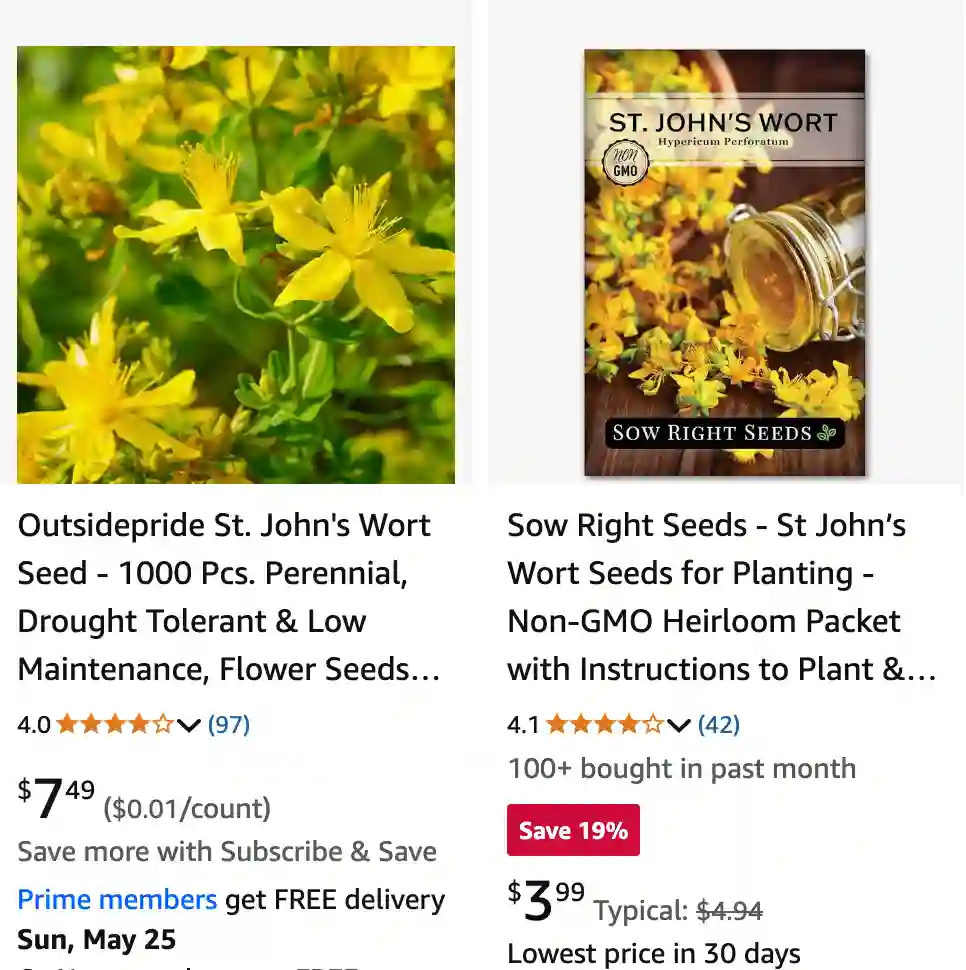
First off, what is Hypericum Perforatum? It’s a flowering plant native to Europe and Asia, now naturalized in many parts of the world. You might recognize its bright yellow flowers, often blooming around the summer solstice – hence the “St. John’s” part of its name. Medicinally, the aerial parts of the plant, especially the flowers and leaves, are used. It’s important to note that the active compounds, like hypericin and hyperforin, are concentrated in these parts.
What is Hypericum Perforatum Good For?
This is where things get interesting. What is Hypericum Perforatum good for? Its most well-known use is for mild to moderate depression. Numerous studies have shown it can be as effective as some conventional antidepressants for these conditions, with potentially fewer side effects. Beyond mood, it’s also traditionally used for nerve pain, anxiety, and sleep disturbances. I’ve heard many anecdotal accounts of its effectiveness in these areas.
What is Hypericum Perforatum Used For?
Expanding on that, what is Hypericum Perforatum used for in a broader sense? Topically, it’s been applied to wounds, burns, and nerve pain for centuries. Its anti-inflammatory and antiseptic properties contribute to these traditional uses. Internally, its primary role remains in supporting mental well-being. It’s a versatile herb, but its internal use demands careful consideration.
Does Hypericum Perforatum Heal Nerves?
This is a common and important question: does Hypericum Perforatum heal nerves? While it doesn’t “heal” nerves in the sense of regenerating damaged tissue, it’s often used to alleviate nerve pain (neuropathy). The compounds within Hypericum Perforatum are believed to have pain-relieving and anti-inflammatory effects that can soothe irritated nerves. I’ve seen it suggested for conditions like sciatica and shingles-related pain, and some studies support its efficacy in these areas. It’s not a miracle cure for nerve damage, but it can certainly offer symptomatic relief.
How to Take Hypericum Perforatum
Now, let’s talk practicalities: how to take Hypericum Perforatum. It’s most commonly available as capsules, tablets, or tinctures. Dosage varies depending on the concentration of the extract and the condition being addressed. For depression, typical dosages range from 300 to 900 mg per day of an extract standardized to hypericin or hyperforin, usually divided into two or three doses. It’s crucial to start with a lower dose and gradually increase if needed. Always follow the manufacturer’s instructions or, even better, consult with a qualified healthcare professional.
How to Use Hypericum Perforatum
Beyond just taking it, how to use Hypericum Perforatum extends to its various forms. The dried herb can be made into a tea, though the concentration of active compounds might be lower than in standardized extracts. For topical applications, an oil infusion of Hypericum Perforatum is excellent for nerve pain, minor cuts, and bruises. I’ve personally made my own St. John’s Wort oil by infusing the fresh flowers in olive oil for several weeks in the sun. It creates a beautiful, red-tinged oil with potent healing properties.
Is Hypericum Perforatum Safe?
This is perhaps the most critical question: is Hypericum Perforatum safe? Generally, yes, for most people when taken appropriately. However, it’s not without its caveats. The most significant concern is its interaction with numerous medications. Hypericum Perforatum can induce liver enzymes that metabolize drugs, making certain medications less effective. This includes antidepressants, birth control pills, blood thinners, immunosuppressants, and some heart medications, among others. Photosensitivity, leading to increased sensitivity to sunlight, is another potential side effect, especially in fair-skinned individuals or at higher doses. Always inform your doctor if you’re considering taking Hypericum Perforatum, especially if you’re on any other medications.
What is Homeopathic Hypericum Perforatum Used For?
Another common query is what is homeopathic Hypericum Perforatum used for. In homeopathy, Hypericum Perforatum is primarily indicated for nerve injuries, especially those affecting nerve-rich areas like the fingers, toes, and spine. It’s also used for pain after surgery or trauma, and for punctures or lacerations. Homeopathic preparations are highly diluted, so their mechanism of action differs significantly from herbal extracts.
Where to Buy Hypericum Perforatum
So, where to buy Hypericum Perforatum? You can find it at most health food stores, pharmacies with a good herbal section, and online retailers specializing in natural supplements. Look for reputable brands that provide standardized extracts, as this ensures a consistent amount of the active compounds. I always recommend doing your research on the brand’s quality and testing procedures.
Hypericum Perforatum vs. Punctatum
Finally, a less common but still important distinction: Hypericum Perforatum vs. Punctatum. Both are species within the Hypericum genus. While Hypericum Perforatum is the widely recognized medicinal species for its antidepressant and nerve-healing properties, Hypericum Punctatum (Spotted St. John’s Wort) is generally not considered to have the same medicinal potency or chemical profile. While some Hypericum species share similar appearances, it’s crucial to ensure you are using Hypericum Perforatum for medicinal purposes due to its unique chemical composition and documented effects.
In conclusion, Hypericum Perforatum is a remarkable herb with a lot to offer, particularly in the realm of mood support and nerve pain relief. However, like any powerful remedy, it demands respect and careful consideration. Always educate yourself, listen to your body, and consult with a healthcare professional to ensure its safe and effective use.

If i die, water my plants!