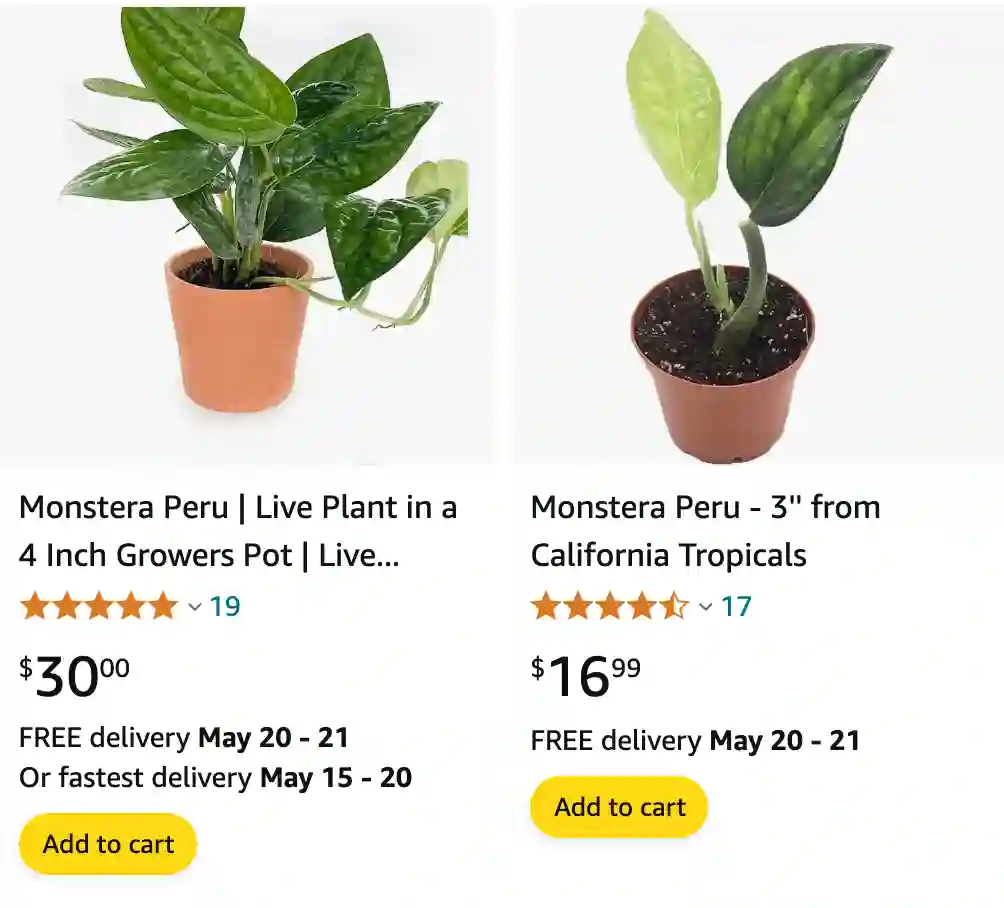
The world of houseplants is vast and enchanting, filled with an incredible diversity of forms, textures, and growth habits. Among the myriad of captivating species, the Monstera genus stands out as a perennial favorite, celebrated for its iconic fenestrated leaves and lush, tropical allure. While the Monstera deliciosa often steals the spotlight with its dramatic splits, there’s another member of this esteemed family that offers a unique charm and an equally rewarding cultivation experience: the Monstera Peru.
Often known by various names such as Monstera karstenianum or the ‘Green Galaxy Monstera,’ this plant is a true gem for enthusiasts seeking something a little different. Its distinctive, deeply textured, almost corrugated leaves set it apart, giving it a rugged yet elegant appearance that evokes the dense, vibrant understory of its native rainforests. This comprehensive guide will delve into every aspect of caring for your Monstera Peru, from understanding its unique characteristics to mastering its cultivation, ensuring your plant not only survives but truly thrives. We’ll also embark on a “time lapse” journey, sharing a personal account of nurturing this magnificent plant from a humble cutting to a mature, flourishing specimen over three transformative years.
Unraveling the Identity: What Exactly is Monstera Peru?
Before we dive into the specifics of care, let’s clarify the identity of this intriguing plant. The name “Monstera Peru” is widely used in horticulture, but it’s important to note that it’s primarily a trade name rather than a formally recognized botanical species. Scientifically, it’s often referred to as Monstera karstenianum, though some botanists suggest “Monstera sp. Peru” (meaning an unidentified Monstera species from Peru) might be more accurate, indicating it could be a regional variant of Monstera obliqua or another yet-to-be-classified Monstera from its Peruvian origins.
Despite the naming complexities, one thing is clear: Monstera Peru is indeed a Monstera, belonging to the Araceae family, which also includes other popular aroids like Philodendrons and Pothos. It is not a Philodendron, despite occasional mislabeling. Its unique leaf texture and growth habit firmly place it within the Monstera genus.
The Allure of the Leaf: Distinctive Features
The most striking feature of Monstera Peru is undoubtedly its foliage. Unlike the smooth, glossy leaves of many other houseplants, Monstera Peru boasts a remarkably textured surface. The leaves are thick, tough, and possess a deeply puckered or corrugated appearance, giving them an almost three-dimensional quality. This unique texture, combined with their rich, dark green hue, makes each leaf a miniature landscape in itself.
While many Monstera species are famous for their dramatic fenestrations (the natural holes and splits in their leaves), Monstera Peru exhibits this trait in a more subtle manner. As the plant matures and receives optimal care, its leaves will develop fenestrations, but these are typically less extensive than those seen in Monstera deliciosa. You’ll usually observe simple, oval-shaped holes or slight indentations along the leaf margins rather than the deep, intricate splits. This more understated fenestration adds to its unique charm, making it a plant that rewards close inspection.
In its natural habitat, Monstera Peru is an epiphyte, meaning it grows on other plants (typically trees) for support, deriving its moisture and nutrients from the air and rain rather than directly from the soil. This vining characteristic is crucial to understand for successful indoor cultivation, as providing appropriate support will significantly influence its growth and the development of larger, more mature leaves.
The Gardener’s Chronicle: A 3-Year Time Lapse with My Monstera Peru
Every plant has a story, and for me, my Monstera Peru has been a delightful narrative of growth, learning, and quiet triumph. It all began three years ago, with a humble cutting that promised the unique beauty I’d admired in photos. Here’s how our journey unfolded, a true time lapse of a plant’s evolution.
Year 1: The Genesis – From Cutting to Confident Vine
Month 1-3: A Delicate Beginning My Monstera Peru journey began with a single, two-leaf cutting, carefully packaged and delivered to my doorstep. It was a small thing, with those characteristic puckered leaves already hinting at its future grandeur. My first task was propagation. I chose the water method, placing the cutting in a clear glass vase, ensuring the exposed node was submerged. I changed the water every few days, a ritual that quickly became a meditative practice. The first few weeks were a test of patience. The cutting sat there, seemingly dormant, but I knew the magic was happening beneath the surface. Around the third week, tiny white nubs appeared at the node – roots! It was a small victory, but a significant one.
Once the roots were about an inch long, robust and ready, I prepared its first home. Knowing its epiphytic nature, I opted for a chunky, well-draining mix: equal parts coco coir, orchid bark, and perlite. I chose a small, terracotta pot with excellent drainage. Planting it felt like a delicate surgery, carefully nestling the fragile roots into the moist substrate. I placed the pot in a spot that received bright, indirect light – a few feet from an east-facing window, where it would get gentle morning sun. The initial days in soil were a bit nerve-wracking; would it suffer transplant shock? A slight droop, but within a week, it perked up, a silent affirmation that it was happy.
Month 3-6: The First Stretch The first new leaf after potting was a cause for celebration. It emerged tightly furled, a vibrant, almost neon green, slowly unfurling to reveal that familiar, textured surface. It was smaller than the original leaves, but perfect. I learned quickly that Monstera Peru appreciates consistency. I watered when the top inch or two of soil felt dry, ensuring no standing water in the saucer. I also started misting its leaves daily, especially as the indoor air felt drier. I noticed the stem starting to lengthen, reaching out, searching. This was my cue to consider support.
Month 6-12: Reaching for the Sky By the six-month mark, my Monstera Peru had put out several new leaves, and the vine was becoming noticeably leggy. I decided it was time for a moss pole. I crafted a simple one from a PVC pipe wrapped in sphagnum moss and secured it in the pot. Gently, I tied the vine to the pole, encouraging it to climb. This was a game-changer. Within weeks, the growth accelerated. The leaves, while still relatively small, were becoming more uniform in size, and the overall plant looked healthier and more structured. I also introduced a diluted, balanced liquid fertilizer once a month during the warmer months. By the end of its first year, my Monstera Peru was a confident, upright vine, about 1.5 feet tall, with a lush canopy of those unique, puckered leaves. It hadn’t fenestrated yet, but I knew that would come with maturity.
Year 2: Maturation and Minor Setbacks
Month 13-18: The First Fenestrations The second year brought a new level of excitement. As spring arrived, and with consistent bright indirect light and regular feeding, the leaves started to emerge larger. And then, it happened. A new leaf unfurled, and as it hardened off, I noticed it – a tiny, almost imperceptible hole near the midrib. It wasn’t a dramatic split like a Deliciosa, but a distinct, perfect little fenestration. It was a testament to the plant’s maturity and the care it was receiving. Subsequent leaves continued to show this subtle fenestration, some with one or two small holes, others with slight indentations.
Month 18-24: A Learning Curve Around the 18-month mark, I encountered my first real challenge: a few yellowing lower leaves. My heart sank. Was it overwatering? Underwatering? Nutrient deficiency? After careful observation, I realized I had been a bit inconsistent with my watering schedule, sometimes letting it get too dry, then overcompensating. I adjusted, returning to my strict “top 50-75% dry” rule. I also checked for pests, a constant vigilance for any houseplant parent. Thankfully, no major infestations, just a few harmless dust bunnies. The yellowing stopped, and new, healthy leaves continued to emerge. This period taught me the importance of consistent care and attentive observation. The plant was now about 3 feet tall, gracefully climbing its moss pole.
Year 3: Thriving, Sharing, and Looking Ahead
Month 25-30: A Lush Canopy Entering its third year, my Monstera Peru was a magnificent specimen. It had reached nearly 5 feet, its moss pole now almost entirely covered. The leaves were larger, darker, and the textured surface was even more pronounced. Multiple growth points had activated, creating a fuller, bushier appearance. The subtle fenestrations were present on most mature leaves, a quiet declaration of its well-being. I continued its routine: bright indirect light, consistent watering, monthly feeding, and high humidity. I also started rotating the pot regularly to ensure even growth and light exposure.
Month 30-36: Propagation and Future Generations As the plant continued its vigorous ascent, I decided it was time to share its beauty. I carefully selected a healthy section of vine with several nodes and took a cutting. This time, I opted for sphagnum moss propagation, keeping the moss consistently moist in a clear container. Within a few weeks, robust roots emerged, and soon, I had a new baby Monstera Peru to gift to a fellow plant enthusiast. It was incredibly rewarding to see the cycle continue, knowing that a piece of my thriving plant would bring joy to someone else.
By its third anniversary, my Monstera Peru stands as a testament to patience and consistent care. It’s a living sculpture, a vibrant green presence that brings a piece of the Peruvian rainforest into my home. It reminds me that plant care isn’t just about following rules; it’s about building a relationship, observing, learning, and celebrating every new leaf, every subtle change.
Comprehensive Care Guide for Your Monstera Peru
Inspired by my journey, let’s break down the essential care requirements for your Monstera Peru to ensure it flourishes in your home.
1. Light: The Foundation of Growth
Monstera Peru thrives in bright, indirect light. This mimics its natural habitat where it grows beneath the canopy of larger trees, receiving dappled sunlight.
- Ideal Placement: An east or west-facing window is often perfect, providing gentle morning or afternoon sun. If placed near a south-facing window, ensure it’s set back a few feet or has sheer curtains to filter the intense direct light.
- Avoid Direct Sun: Direct, harsh sunlight will scorch its thick, textured leaves, leading to unsightly brown spots.
- Low Light Tolerance: While it can tolerate lower light conditions, growth will be significantly slower, and the characteristic fenestrations may not develop. If your plant appears leggy (long stems with sparse leaves), it’s a sign it’s stretching for more light. Move it to a brighter spot.
2. Watering: Finding the Right Balance
Watering is perhaps the most crucial aspect of Monstera Peru care, as both overwatering and underwatering can lead to problems.
- When to Water: Allow the top 50-75% of the soil to dry out between waterings. You can test this by sticking your finger into the soil or using a moisture meter. The pot will also feel significantly lighter when dry.
- How to Water: Water thoroughly until you see water draining from the bottom of the pot. Ensure no standing water remains in the saucer, as this can quickly lead to root rot.
- Reduce in Winter: During the cooler, darker months, the plant’s growth slows down, and it requires less water. Adjust your watering frequency accordingly.
- Signs of Trouble:
- Yellowing Leaves: Often a sign of overwatering (root rot) or sometimes underwatering. Check soil moisture.
- Drooping/Limp Leaves: Can indicate underwatering (leaves will perk up after watering) or severe overwatering.
3. Humidity: A Tropical Necessity
Hailing from the humid rainforests of Peru, this Monstera appreciates high humidity. Aim for 40-60% humidity, though it can tolerate average household humidity.
- Increase Humidity:
- Humidifier: The most effective way to provide consistent humidity.
- Pebble Tray: Place the pot on a tray filled with pebbles and water, ensuring the bottom of the pot doesn’t sit in the water. As the water evaporates, it increases humidity around the plant.
- Grouping Plants: Plants release moisture through transpiration, so grouping them together can create a localized humid microclimate.
- Misting: While misting provides temporary relief, it’s not a long-term solution for humidity. However, it can help clean leaves and slightly boost humidity.
4. Soil: The Right Foundation
Monstera Peru is an epiphyte, meaning its roots are adapted to cling to tree bark and absorb moisture from the air and rain. This translates to a need for an airy, well-draining, and rich potting mix that prevents waterlogging while retaining some moisture.
- Ideal Mix: A good blend would be:
- 1 part coco coir (or peat moss)
- 1 part orchid bark (for aeration and drainage)
- 1 part perlite (for drainage and aeration)
- pH: Prefers slightly acidic to neutral soil pH.
- Avoid Heavy Soil: Dense, heavy potting soils will suffocate the roots and lead to root rot.
5. Temperature: Warm and Consistent
Maintain consistent warm temperatures for your Monstera Peru.
- Ideal Range: Between 60-85°F (15-29°C), with an optimal range of 65-80°F (18-27°C).
- Avoid Extremes: Protect your plant from cold drafts, sudden temperature drops, and temperatures below 50°F (10°C), which can cause significant damage.
6. Fertilization: Fueling Growth
Feed your Monstera Peru during its active growing season to support healthy foliage development.
- Frequency: Apply a balanced, water-soluble fertilizer (e.g., 20-20-20 or a houseplant-specific formula) once a month during spring and summer.
- Dilution: Always dilute the fertilizer to half strength or according to product instructions to avoid nutrient burn.
- Dormancy: Do not fertilize during fall and winter when the plant’s growth naturally slows down.
7. Support: Encouraging Mature Growth
As a vining epiphyte, Monstera Peru benefits greatly from a support structure.
- Benefits: Providing a moss pole, coir pole, or trellis encourages the plant to climb, leading to larger, more mature leaves and potentially more pronounced fenestrations. It also prevents leggy growth and keeps the plant more compact.
- Installation: Gently guide the aerial roots onto the pole and secure the vine with soft ties. As the plant grows, continue to train it upwards.
8. Propagation: Creating New Life
Monstera Peru is relatively easy to propagate, making it a rewarding experience to share with friends or expand your collection.
- Method: Stem Cuttings
- Select a Healthy Stem: Choose a section of stem with at least one node (where a leaf attaches or has attached) and ideally 2-3 leaves.
- Make the Cut: Using clean, sharp scissors or pruning shears, cut just below a node.
- Prepare the Cutting: Remove any leaves from the bottom node(s) to expose them. Leave at least one healthy leaf at the top.
- Rooting Medium:
- Water Propagation: Place the cutting in a clear glass of water, ensuring the exposed node(s) are submerged. Change the water every few days to prevent bacterial growth. Roots should appear within 3-6 weeks.
- Sphagnum Moss/Perlite: Plant the cutting directly into moist sphagnum moss or a mix of perlite and coco coir. Keep the medium consistently moist and provide high humidity (e.g., in a propagation box or covered with a plastic bag).
- Potting: Once roots are a few inches long (for water propagation) or well-established (for moss/perlite), transfer the cutting to a small pot with well-draining potting mix.
9. Pruning: Maintaining Shape and Health
Pruning helps maintain the plant’s shape, encourages bushier growth, and removes unhealthy foliage.
- When to Prune: Best done in spring or early summer during the active growing season.
- How to Prune:
- Leggy Growth: Trim back long, bare stems to encourage new growth from lower nodes.
- Damaged/Yellow Leaves: Remove any yellow, brown, or damaged leaves to redirect the plant’s energy to healthy growth.
- Shape: Prune to control size and shape, especially if allowing it to trail.
10. Repotting: Giving Room to Grow
Repot your Monstera Peru when it becomes root-bound, typically every 2-3 years.
- Signs of Root-bound: Roots emerging from drainage holes, stunted growth, or the plant drying out very quickly after watering.
- Pot Size: Choose a pot that is only 1-2 inches larger in diameter than the current one. Too large a pot can hold excess moisture, leading to root rot.
- Process: Gently remove the plant, loosen any circling roots, and replant in fresh, well-draining soil mix. Water thoroughly after repotting.
Common Problems and Solutions
Even with the best care, plants can encounter issues. Here’s how to troubleshoot common problems with your Monstera Peru:
- Yellowing Leaves:
- Cause: Most often overwatering (leading to root rot) or underwatering. Can also be nutrient deficiency or insufficient light.
- Solution: Check soil moisture. If soggy, reduce watering and ensure good drainage. If very dry, water thoroughly. Consider fertilizing if it’s growing season. Move to brighter indirect light.
- Brown Leaf Tips/Edges:
- Cause: Low humidity or inconsistent watering (underwatering).
- Solution: Increase ambient humidity around the plant using a humidifier or pebble tray. Ensure consistent watering.
- Leggy Growth (Long Stems, Few Leaves):
- Cause: Insufficient light. The plant is stretching to find more light.
- Solution: Move your Monstera Peru to a brighter location with indirect sunlight. You can prune back the leggy sections to encourage bushier growth.
- No Fenestrations:
- Cause: The plant is too young, or it’s not receiving enough bright indirect light.
- Solution: Be patient; fenestrations develop with maturity. Ensure it’s getting ample bright, indirect light.
- Pests:
- Common Pests: Spider mites (fine webs, yellow stippling), mealybugs (white cottony masses), thrips.
- Solution: Isolate the infected plant. Wipe leaves with a damp cloth. Use insecticidal soap or neem oil spray. For mealybugs, dab with rubbing alcohol on a cotton swab. Increase humidity to deter spider mites.
- Root Rot:
- Cause: Overwatering and poor drainage. Roots become mushy and brown, leaves yellow and droop.
- Solution: Act quickly. Remove the plant from its pot, gently remove as much old soil as possible, and inspect the roots. Trim away any mushy, black, or foul-smelling roots with sterilized scissors. Repot into fresh, well-draining soil in a clean pot (or a slightly smaller one if many roots were removed). Adjust watering habits.
Monstera Peru vs. Its Monstera Cousins: A Comparative Look
While Monstera Peru is a unique beauty, it’s often compared to or confused with other popular Monstera varieties. Understanding the distinctions can help you appreciate its individuality.
Monstera Peru vs. Monstera Deliciosa
- Leaves: Monstera Peru has thick, deeply textured, almost puckered leaves with subtle fenestrations (more like holes or slight indentations). Monstera deliciosa has large, glossy, heart-shaped leaves with prominent, deep splits and holes (the classic “Swiss Cheese Plant” look).
- Growth Rate: Monstera Peru is generally a slower grower indoors compared to the vigorous Monstera deliciosa, which can grow quite large quickly.
- Overall Appearance: Monstera Peru has a more compact, rugged, and unique texture, while Monstera deliciosa is known for its grand, dramatic, and classic tropical appearance.
Monstera Peru vs. Monstera Adansonii
- Leaves: Monstera Peru leaves are thick, very textured, and dark green, with fenestrations that are more subtle holes. Monstera adansonii (often called “Swiss Cheese Vine” or “Monkey Mask”) has thinner leaves with more numerous and pronounced oval-shaped holes.
- Growth Habit: Both are vining plants, but Monstera adansonii tends to be a faster and more prolific grower, often trailing beautifully from hanging baskets. Monstera Peru also vines but benefits more significantly from vertical support to achieve larger leaf size.
- Texture: The key differentiator is the leaf texture – Peru‘s distinctive corrugated feel versus Adansonii‘s smoother, thinner leaves.
Monstera Peru vs. Monstera Siltepecana
- Leaves: This is where confusion can arise, especially with juvenile plants. Monstera Peru has dark green, deeply textured, ridged leaves. Monstera siltepecana (often called “Silver Monstera”) has a distinct silvery sheen or variegation on its leaves and a smoother texture. As Siltepecana matures, its leaves also develop fenestrations, but its silvery juvenile form is quite different from Peru.
Toxicity: A Note of Caution
Like many plants in the Araceae family, Monstera Peru contains calcium oxalate crystals, which are toxic if ingested.
- Symptoms: Ingestion can cause irritation of the mouth, throat, and digestive tract, leading to symptoms like swelling, burning sensation, difficulty swallowing, vomiting, and drooling.
- Pets and Children: Keep your Monstera Peru out of reach of curious pets (cats and dogs) and small children to prevent accidental ingestion.
The Enduring Appeal of Monstera Peru
The Monstera Peru is more than just a houseplant; it’s a living piece of art, a testament to nature’s incredible diversity. Its unique, deeply textured leaves offer a tactile and visual experience unlike any other, making it a standout addition to any plant collection. While it might be considered somewhat rare compared to its more common Monstera relatives, its relatively straightforward care makes it accessible to both novice and experienced plant parents.
Cultivating a Monstera Peru is a journey of patience and observation. From watching its roots emerge in water to seeing the first subtle fenestrations appear on a mature leaf, each stage offers its own reward. Providing it with the right balance of light, water, humidity, and support will allow it to unfurl its full potential, transforming from a small cutting into a lush, climbing vine that brings a touch of the exotic rainforest into your home. Embrace the journey, and your Monstera Peru will reward you with years of captivating beauty and a constant reminder of the wonders of the plant world.

If i die, water my plants!