Hi, I’m Ferb Vu, and I want to share my journey and understanding of Pistacia Lentiscus, a fascinating and resilient plant. Over the years, I’ve grown it and studied its many uses, comparing it to other plants, and learning what makes it unique. In this FAQ article, I’ll answer the most common questions I get about this plant, drawing on my personal experience and observations.
12 Species in Genus Pistacia
What Is Pistacia Lentiscus?
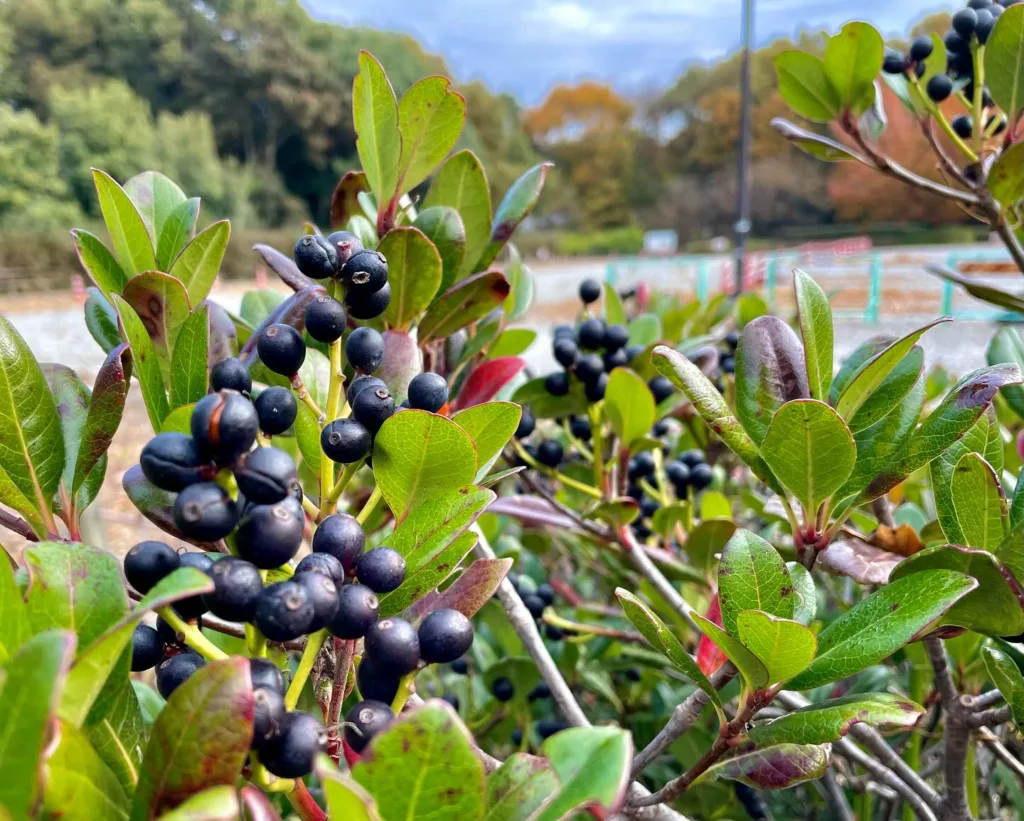
Pistacia Lentiscus, often called the Mastic Tree, is a small evergreen shrub or tree native to the Mediterranean region. I’ve found it to be a hardy plant, usually growing 4 to 13 feet tall, with dense, glossy leaves and red berries. It’s famous for the resin it produces—known as mastic resin—which has been prized since ancient times for culinary, medicinal, and cosmetic uses.
This plant thrives in dry, rocky soils and hot climates, which made it a perfect candidate for my garden in a Mediterranean-like climate. It requires minimal watering and is very drought-tolerant, which I appreciate as it saves water and care effort.
How Does Pistacia Lentiscus Compare to Other Pistacia Species?
I’ve compared Pistacia Lentiscus with other species like Pistacia Vera (the pistachio tree) and Pistacia Chinensis (Chinese pistache). Here’s what I noticed:
- Pistacia Vera produces edible nuts, but it needs more water and fertile soil, which wasn’t ideal for my dry garden.
- Pistacia Chinensis is a larger shade tree with vibrant fall colors, but it doesn’t produce resin.
- Pistacia Lentiscus stands out because of its resin production and adaptability to poor soils and dry conditions.
For anyone wanting a low-maintenance evergreen shrub that also offers valuable resin, I’d recommend Lentiscus over other Pistacia species.
What Are the Uses of Pistacia Lentiscus Resin?
The resin, called mastic, is the jewel of this plant. I’ve used mastic resin in several ways:
- Culinary: It adds a unique pine or cedar-like flavor to dishes, especially in Mediterranean recipes like desserts and chewing gum.
- Medicinal: Traditionally, mastic has been used to soothe digestive issues and oral health problems. I’ve found it helpful as a natural breath freshener and for mild stomach relief.
- Cosmetic: It’s an ingredient in natural skincare products due to its antibacterial and anti-inflammatory properties.
Harvesting the resin takes patience because you need to make small cuts in the bark and wait for the sap to harden. The process is quite rewarding if you’re into natural remedies and culinary experiments.
How Do I Care for Pistacia Lentiscus?
Caring for Pistacia Lentiscus is straightforward, especially if you live in a Mediterranean or similar climate. Here are my top care tips:
- Sunlight: Full sun is best. I’ve noticed the resin production increases when the plant is exposed to plenty of light.
- Water: Once established, it needs very little water. I water mine deeply but infrequently.
- Soil: It tolerates poor, rocky soils well, so no fancy potting mix is needed.
- Pruning: I prune lightly to maintain its shape and encourage airflow but avoid heavy cutting because it slows resin production.
Compared to many other shrubs I’ve grown, Lentiscus is very low-maintenance yet rewarding.
Can Pistacia Lentiscus Grow in Non-Mediterranean Climates?
I’ve experimented with growing Pistacia Lentiscus in a more temperate zone. It can survive mild frost but isn’t frost-hardy. If you live somewhere with cold winters, you’ll want to grow it in a container that can be moved indoors or provide frost protection.
In hot and dry areas, it thrives naturally and requires minimal care, making it ideal for xeriscaping. If you want a Mediterranean feel in your garden, this plant is an excellent choice.
What Wildlife Benefits from Pistacia Lentiscus?
In my garden, I’ve noticed the plant attracts various birds and insects:
- Birds: They eat the red berries and help with seed dispersal.
- Pollinators: Bees are drawn to its flowers in spring.
- Beneficial insects: Its dense foliage offers shelter for small beneficial bugs.
If you want to support local biodiversity, Pistacia Lentiscus is a great addition.
How Does Pistacia Lentiscus Compare to Mediterranean Herbs Like Rosemary or Lavender?
People often ask me how this shrub compares to other Mediterranean plants like rosemary or lavender. I see it as a complementary plant rather than a direct substitute.
- Rosemary and lavender are more herbaceous and aromatic. They flower abundantly and are often harvested for culinary and aromatic uses.
- Pistacia Lentiscus is more woody and shrubby, prized for its resin rather than leaf aroma.
If you want a mix of drought-tolerant plants, I recommend combining Lentiscus with rosemary and lavender for both structure and scent diversity in your garden.
Is Pistacia Lentiscus Invasive or Difficult to Manage?
I haven’t found Pistacia Lentiscus to be invasive. It grows slowly and stays compact. It doesn’t spread aggressively like some other Mediterranean shrubs I’ve tried. That said, in some Mediterranean climates, it can naturalize, but I haven’t had issues with overgrowth.
In terms of pests and diseases, it’s quite resilient. I rarely see fungal issues or insect damage, making it a worry-free choice.
How Long Does It Take for Pistacia Lentiscus to Produce Resin?
From my experience, resin production begins a few years after planting, usually around 3-5 years once the plant is mature enough. The best resin comes from older, well-established shrubs that are healthy and sun-exposed.
Harvesting involves careful cuts on the bark during dry, warm months. I find this practice meditative and a great way to connect with the plant’s natural cycles.
Can I Use Pistacia Lentiscus for Landscaping?
Absolutely. I often recommend Pistacia Lentiscus as a landscaping shrub for its evergreen foliage, drought tolerance, and multi-season interest with flowers and berries. It can be shaped into hedges or left to grow naturally.
Its adaptability to poor soil and dry conditions makes it a smart choice for sustainable landscaping. Plus, its historical and cultural significance adds a story to your garden.
Final Thoughts
I’ve found Pistacia Lentiscus to be a plant full of character, history, and practical uses. Its low maintenance and drought tolerance make it ideal for gardeners in Mediterranean-like climates or those interested in xeriscaping. The resin harvest adds a unique dimension that few shrubs can offer. Whether you want a beautiful evergreen shrub, a natural source of mastic resin, or a wildlife-friendly garden addition, Pistacia Lentiscus is a fantastic plant worth exploring.

If i die, water my plants!