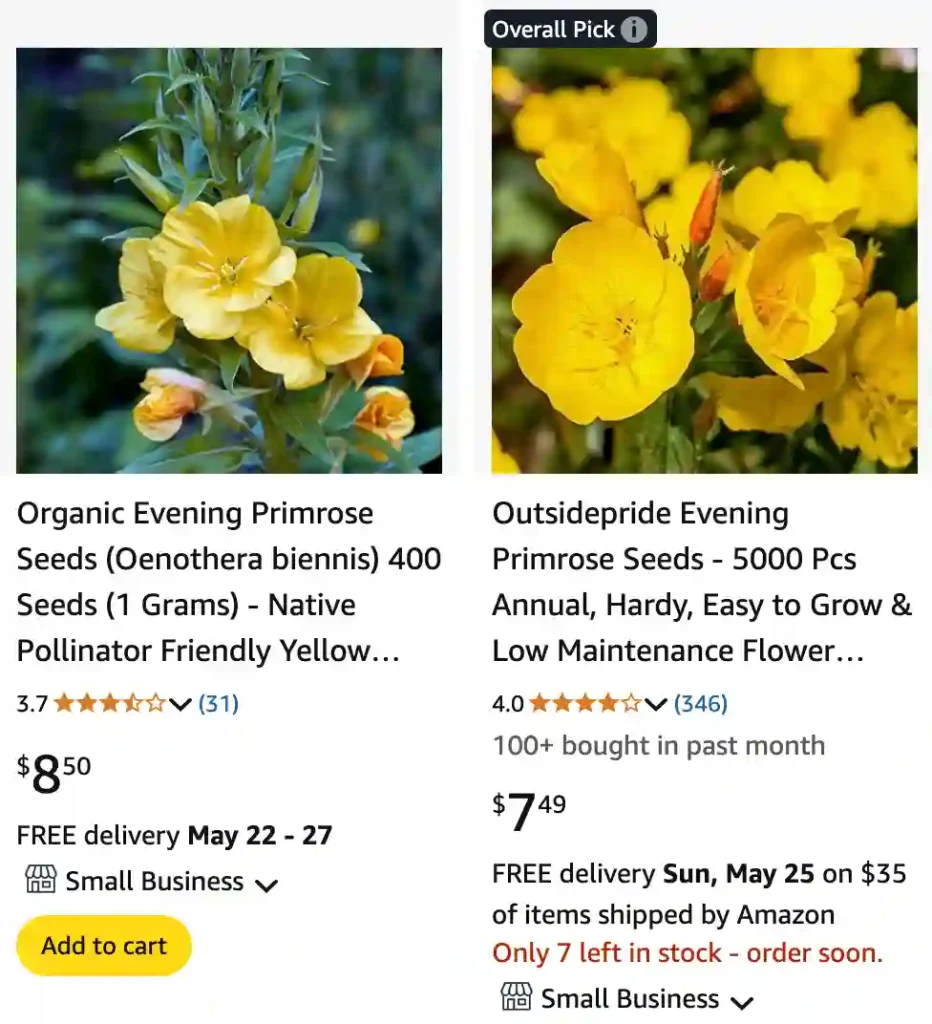
Oenothera Biennis, also called Common Evening Primrose, is a plant I’ve come to respect for both its toughness and usefulness. I’ve grown it in native gardens, watched its golden blooms open at dusk, and even explored its medicinal potential. Here’s everything I’ve discovered, told plainly and clearly.
165 Species in Genus Oenothera
What Is Oenothera Biennis?
Oenothera Biennis is a biennial wildflower native to North America. In the first year, it forms a rosette of leaves. In the second, it sends up tall flower spikes that bloom in the evening. The bright yellow, cup-shaped flowers open at dusk and close by morning. That habit gives the plant its nickname: “Evening Primrose.”
The plant belongs to the Onagraceae family and is a true pollinator magnet, especially for moths and native bees. What makes it special to me is its ability to grow in poor soil, tolerate drought, and still show off vivid, fragrant blooms.
Why Do People Grow Oenothera Biennis?
I grow Oenothera Biennis mainly for three reasons:
- Ecological Value – It supports nighttime pollinators like the hawk moth and native bee species.
- Medicinal Use – The seeds are rich in gamma-linolenic acid (GLA), which is used in supplements for skin and hormonal health.
- Beauty with Resilience – Few plants look this good with so little care.
I’ve seen it thrive in gravelly patches, disturbed roadsides, and garden beds alike.
Is Oenothera Biennis the Same as Evening Primrose Oil?
Not quite. Evening Primrose Oil comes from Oenothera Biennis seeds, but the plant itself offers much more. The oil contains fatty acids like GLA, known for anti-inflammatory and hormonal benefits. However, the plant also plays a crucial role in native ecosystems and wildlife support.
If you want the full package – ecological, medicinal, and visual – grow the plant. If you only want the oil, buy the supplement.
How Do You Grow Oenothera Biennis?
Here’s how I’ve had the most success:
- Location: Full sun is best. It tolerates poor or sandy soil.
- Watering: Drought-tolerant. Only water in extreme heat.
- Spacing: About 12–18 inches apart.
- Sowing: Sow directly in fall or early spring. It needs cold stratification.
It self-seeds heavily. You’ll likely find new rosettes in the second year without much effort.
Is Oenothera Biennis Invasive?
It’s vigorous, yes — but not invasive in the ecological sense. I’ve found it easy to control by pulling unwanted seedlings in spring. In restored prairies or pollinator gardens, it fits naturally into the plant community.
If you’re growing it near manicured beds, just be aware that it likes to roam. Deadheading helps reduce spread.
How Does Oenothera Biennis Compare to Oenothera Speciosa?
I’ve grown both, and here’s what I noticed:
| Trait | Oenothera Biennis | Oenothera Speciosa |
|---|---|---|
| Bloom Time | Evening | Morning |
| Height | 3–5 feet | 1–2 feet |
| Color | Yellow | Pink |
| Spread | Upright, contained | Sprawling groundcover |
| Pollinators | Moths, bees | Bees, butterflies |
While Speciosa is more ornamental, Biennis brings ecological depth. I prefer Biennis for native restoration projects.
Does Oenothera Biennis Have Medicinal Properties?
Yes. The seeds contain gamma-linolenic acid, a fatty acid involved in:
- Hormonal balance (especially PMS and menopause symptoms)
- Skin health (eczema, acne)
- Joint pain (like arthritis)
I’ve used cold-pressed seed oil capsules with decent results for dry skin. But growing the plant lets me appreciate the origin of that benefit.
Always consult with a healthcare provider before using any supplement derived from the plant.
What Are the Risks or Side Effects?
As a plant, it’s very low-risk. As an oil supplement, some users report:
- Upset stomach
- Headache
- Mild dizziness
In gardens, its only real “risk” is excessive self-seeding if not managed. I recommend cutting back flower heads before they fully go to seed if you’re in a small space.
How Does It Support Biodiversity?
This is where Oenothera Biennis shines. In my yard, I’ve seen:
- Hawk moths feeding at dusk
- Sweat bees and bumblebees on day-old blooms
- Goldfinches pecking at the seeds
It creates a whole micro-ecosystem, which few ornamental plants can do.
What Plants Pair Well with Oenothera Biennis?
If you’re building a naturalized bed or pollinator patch, try pairing it with:
- Echinacea purpurea (Purple Coneflower)
- Rudbeckia hirta (Black-eyed Susan)
- Asclepias tuberosa (Butterfly Weed)
- Monarda fistulosa (Wild Bergamot)
These native perennials bloom around the same time and attract overlapping pollinators. They also thrive in similar soil and light conditions.
Final Thoughts
Oenothera Biennis is more than a yellow flower that opens at night. It’s a bridge between gardening and wild ecosystems. It’s a medicinal plant with ancient uses. And it’s tough — tougher than most ornamental perennials.
I grow it because it does more than look good. It helps the environment, the pollinators, and, in some cases, even people’s health. Whether you’re after beauty, purpose, or both — this plant delivers.

If i die, water my plants!