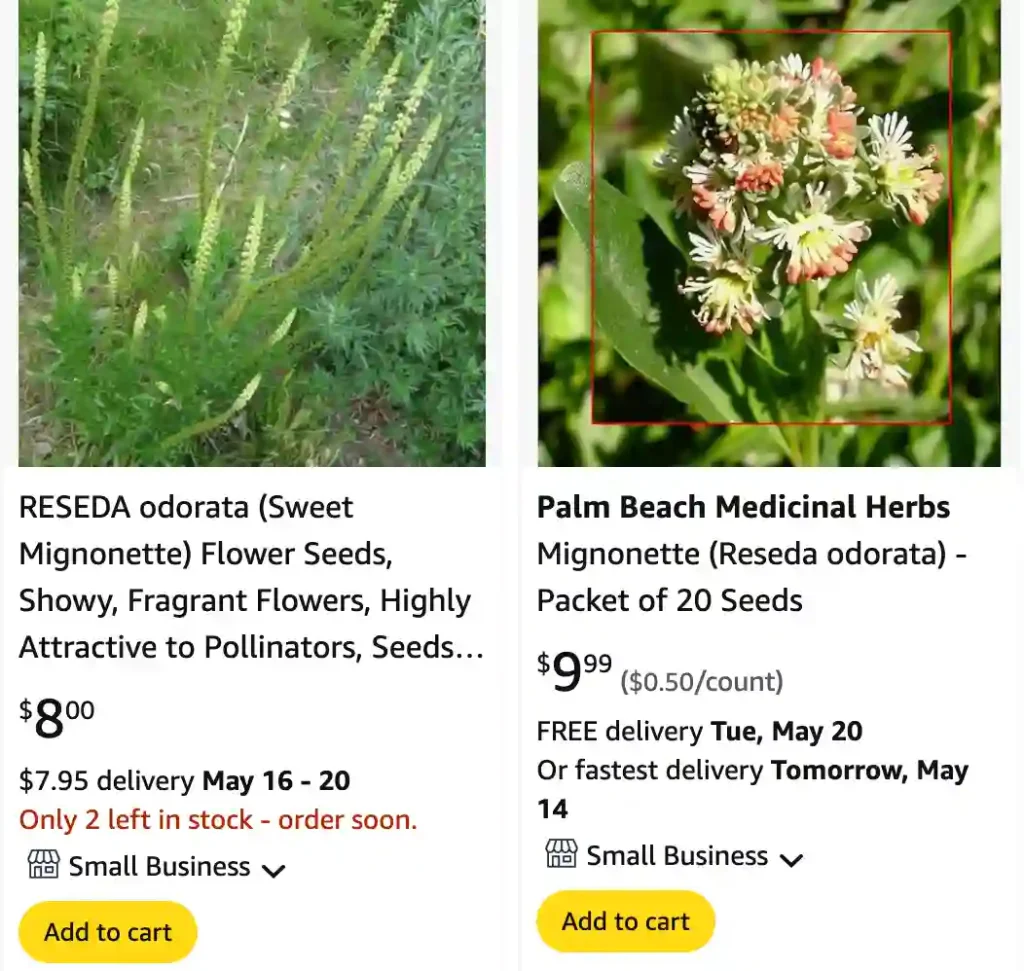
When I first discovered Mignonette flower (Reseda Odorata), it was like stumbling upon a hidden note in a book of perfume. This unassuming plant, often overlooked in the modern garden, has a scent that captures the heart. I’ve grown it in containers, borders, and even tucked it between my vegetables. It rewards you with sweet fragrance and soft, spiky blooms. Over the years, people have asked me countless questions about it. So today, I’m sharing my answers to the most frequently asked questions about Mignonette, with the clarity and simplicity Hemingway would appreciate.
68 Species in Genus Reseda
What Is Mignonette?
Mignonette, or Reseda Odorata, is a flowering annual herb native to North Africa but long cultivated in Europe and beyond. It’s not flashy. Its greenish-white flowers form in loose spikes and don’t shout for attention. But get close, and you’ll understand why it has such loyal admirers. Its fragrance is divine — floral, spicy, and warm, often compared to vanilla or violet. This scent once made it a staple in Victorian gardens and early perfumery.
What Does the Mignonette Flower Mean?
The mignonette flower meaning is rich in history and sentiment. The name itself comes from the French word mignon, meaning “dainty” or “cute.” Symbolically, it stands for sweetness, simple love, and devotion. In the language of flowers, it says, “Your qualities surpass your appearance.” That resonates with me because this plant is all about inner beauty.
It was often given as a token of loyalty or heartfelt affection. If someone gifted you a mignonette bloom in the 19th century, it meant they cherished your character more than your looks — a quietly profound compliment.
Where and How Do I Grow Mignonette?
Mignonette prefers cool weather, so I sow it in early spring or late summer. It thrives in full sun to partial shade. Well-drained, fertile soil works best, and I always mix in some compost before planting.
You can grow it in:
- Containers (great for patios and balconies)
- Borders
- Herb gardens
- Pollinator beds
I find it grows up to 12–24 inches tall. It’s ideal for cutting, too — I often snip sprigs for fragrance around the house.
Is Mignonette Good for Pollinators?
Absolutely. Bees and butterflies adore it. The scent is strongest at dawn and dusk, and I’ve seen it draw in pollinators when few other flowers do. It’s one of those plants that support biodiversity in a quietly effective way.
Can Mignonette Be Used in Perfumery?
Yes — and historically, it was. The essential oil of Reseda Odorata was once a prized ingredient in French perfumery. Though it’s rarely used in commercial fragrances now due to low yield, its scent remains legendary. I’ve experimented with drying the flowers and making simple potpourris. The fragrance lingers long after the blooms fade.
Is Mignonette Edible or Medicinal?
While it’s not poisonous, Reseda Odorata isn’t widely used in culinary or medicinal applications. Some historic texts mention its use in poultices and salves, especially in traditional herbal medicine, but I wouldn’t recommend it as a primary herb. Its strength lies in aroma, not ingestion.
How Do I Harvest and Save Seeds?
Once flowering ends, seed pods form along the stalk. They dry and split open when ready. I collect them in paper bags and store them in a cool, dry place. Each plant yields plenty of seeds, making it easy to share or sow again the next season.
Can Mignonette Be Grown Indoors?
It’s tricky. I’ve tried it, and unless you have a sunny windowsill or grow lights, Mignonette struggles indoors. It needs air movement, light, and a bit of outdoor breeze to flourish. I recommend growing it on a balcony or in a sunroom if indoors is your only option.
Why Should You Grow Mignonette?
Let’s be honest — there are flashier flowers. But Reseda Odorata has something deeper. It teaches patience. It rewards attention. It reminds me to slow down and breathe. In a garden filled with vibrant, Instagram-ready blooms, Mignonette whispers instead of shouting. And in that whisper is peace.
Final Thoughts
In a time where novelty often outweighs nuance, Mignonette holds its ground. It’s timeless, modest, and richly fragrant. Whether you’re a gardener, a romantic, or just someone seeking a deeper connection with plants, Mignonette will speak to you — not loudly, but truly.
If you value fragrance, symbolism, and simplicity, give Reseda Odorata a home in your garden. And the next time someone asks you the mignonette flower meaning, you’ll know it means far more than just a pretty scent.

If i die, water my plants!