The Penelope Flower, also known as Rosa Penelope, is one of my favorite roses in the garden. It’s a hybrid musk rose developed in the early 20th century by Joseph Pemberton, and it continues to charm gardeners like me with its soft pink blooms, repeat flowering, and musky scent.
I’ve grown many rose varieties, but Rosa Penelope stands out for its grace, resilience, and classic beauty. Below are common questions I get asked—or have asked myself—about this lovely rose.
391 Species in Genus Rosa
What Does Rosa Penelope Look Like?
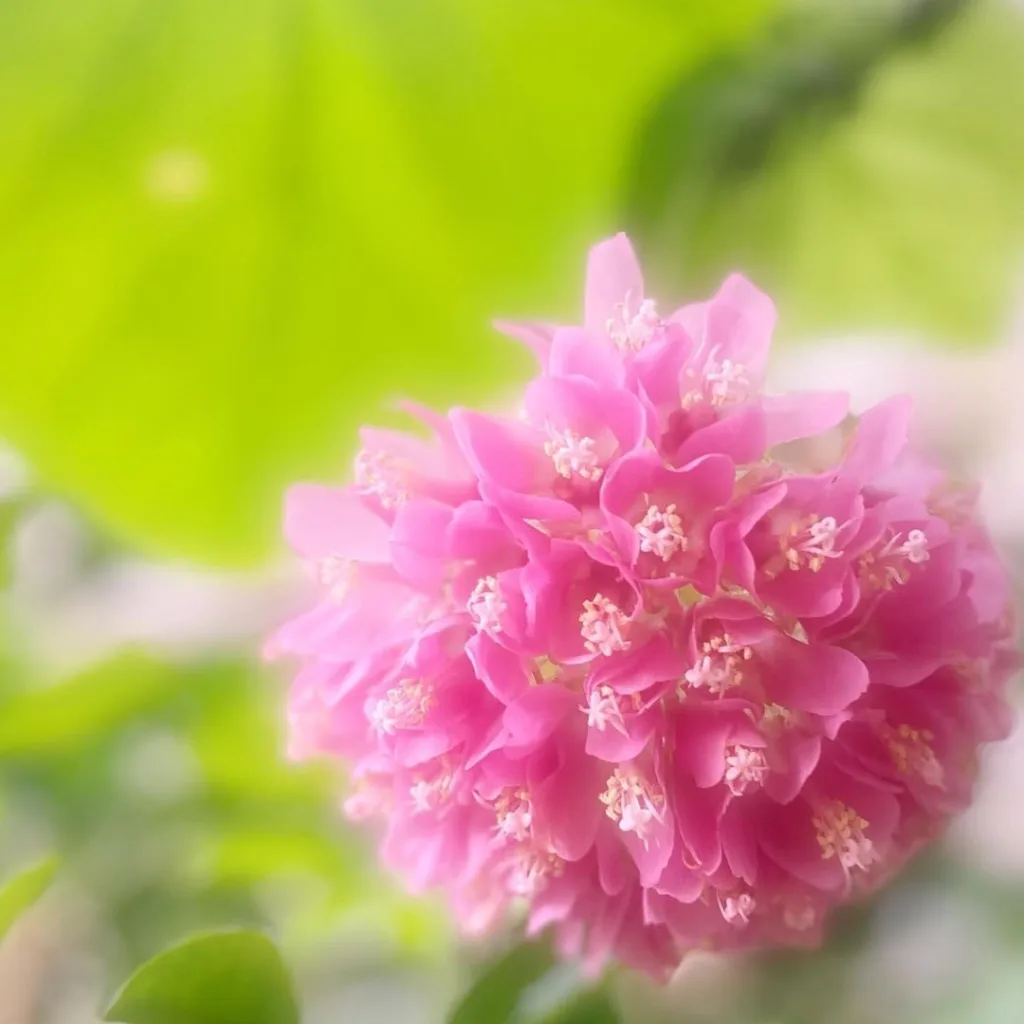
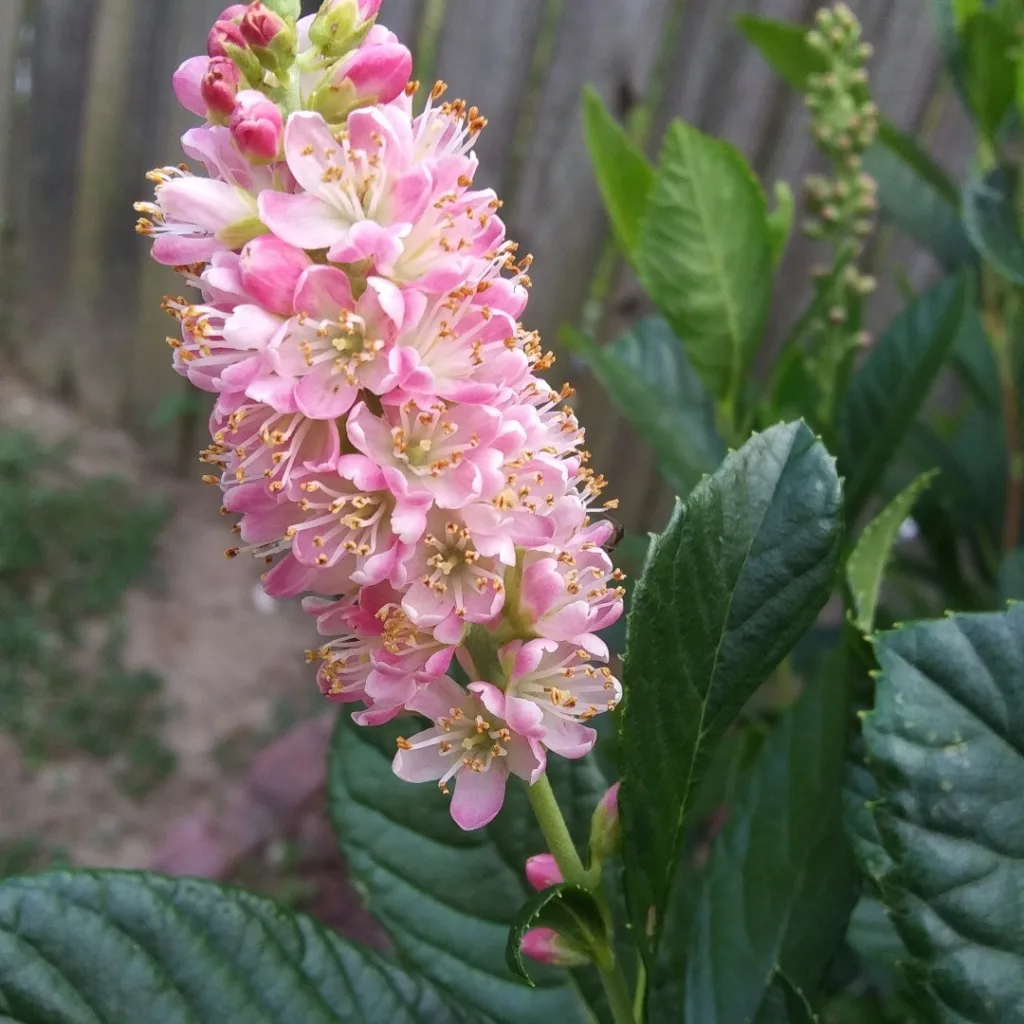
When you see Penelope Flower in bloom, you’ll understand why it’s so well-loved. The blooms are semi-double, soft blush-pink fading to creamy white, often with golden stamens peeking through. They come in large clusters and flower repeatedly from late spring into autumn.
Each bloom starts with a warm, pink hue and slowly matures to ivory. The petals curl softly at the edges, giving it a romantic look—something you’d expect in an English garden painting.
What’s the Scent of Penelope Flower Like?
The fragrance is strong, musky, and sweet—classic hybrid musk. It fills the air during peak bloom. I like to plant mine near patios and entryways so I can enjoy the scent when I pass by. In my experience, few modern roses can match this depth of fragrance.
How Big Does Rosa Penelope Get?
My Penelope rose typically grows around 5 to 6 feet tall and 4 to 5 feet wide. It has a graceful arching habit, which makes it ideal for borders, hedging, or as a focal point. With support, you can train it into a small climber, which I’ve done along a pergola.
How Much Maintenance Does It Require?
This is one of the reasons I love Penelope—it’s low-maintenance for a rose. It’s disease resistant, particularly to black spot and mildew, though I still give mine good air circulation and prune in late winter.
Deadheading helps promote repeat flowering, though it’s not essential. Watering regularly during dry spells and feeding in early spring and summer with an organic rose fertilizer is usually enough.
How Does It Compare to Other Musk Roses?
I’ve grown a few other hybrid musk roses—like Buff Beauty, Felicia, and Cornelia. Penelope has a more delicate bloom color than Buff Beauty, which is a rich apricot. Compared to Felicia, Penelope is less crowded in growth and has a subtler, more elegant look.
If you want a more romantic, cottage-style aesthetic, Penelope is perfect. It doesn’t dominate, but rather enhances the garden with its quiet beauty.
Can Rosa Penelope Grow in Containers?
Yes, but only large ones. I’ve grown Penelope in a 24-inch wide container with great success. Just ensure good drainage and don’t let it dry out in hot weather. It appreciates a top-dressing of compost and a balanced fertilizer.
That said, it performs best when planted directly in well-draining, fertile soil.
Is It Suitable for Shady Areas?
Penelope tolerates partial shade, more than many other roses. I’ve grown it where it gets morning sun and dappled afternoon shade. It still blooms well, though full sun (at least six hours) produces the best flowering.
How Cold Hardy Is Rosa Penelope?
It’s fairly hardy. In my garden (Zone 7), it survives winters without any issues. I mulch the base in late fall and prune in spring. It’s known to thrive down to Zone 5, though winter protection might be needed in colder regions.
What Plants Pair Well with Penelope?
I’ve paired Penelope with Lavender, Salvia nemorosa, and Nepeta for a pollinator-friendly, low-maintenance bed. It also looks great with Delphiniums, Campanulas, and Peonies for a more romantic, lush border.
It attracts bees, hoverflies, and even butterflies, making it a great plant for biodiversity.
How Does Penelope Flower Compare to David Austin Roses?
David Austin roses like Gertrude Jekyll or Evelyn are bolder, bushier, and often more fragrant—but also more demanding. Penelope is more understated, easier to manage, and blooms longer across the season.
If you’re looking for a classic look with minimal fuss, I’d go with Penelope. But if you’re after flamboyance and don’t mind the maintenance, David Austins may suit you better.
Is Penelope Flower Good for Cut Flowers?
Absolutely. I often cut the blooms for simple bouquets. While they don’t last as long as hybrid teas in the vase, the fragrance and vintage look are worth it. Cut early in the morning for best results and place them immediately in water.
Why I Always Recommend Rosa Penelope?
If you want a rose that brings fragrance, charm, repeat blooms, and little trouble, you can’t go wrong with Penelope. It’s a rose that ages gracefully, blending well in both formal and informal gardens.
For me, it’s not just a plant—it’s a companion through the seasons. Every time it blooms, it reminds me why I garden in the first place.

If i die, water my plants!