Introduction: Discover the Vibrant Begonia Solenia Salmon Coral
Begonia Solenia Salmon Coral emerges as a truly exceptional and vibrant addition to any garden or container, distinguishing itself from many traditional begonia varieties. While many begonias are renowned for their preference for shaded environments, Solenia Salmon Coral defies this expectation with its remarkable tolerance for sun. This characteristic positions it as a highly sought-after selection for gardeners aiming to infuse continuous, brilliant color into brighter garden spaces.
The appeal of Begonia Solenia Salmon Coral extends beyond its sun adaptability. It is celebrated for its prolific and continuous bloom cycle, gracing gardens with double salmon-orange blossoms from mid-spring through the entirety of fall. The plant develops a superior mounding habit and exhibits vigorous growth, creating a full, lush display that enhances its visual impact. Furthermore, its impressive resilience is a significant advantage, encompassing strong wind resistance, drought tolerance, and notable resistance to powdery mildew, a common begonia affliction. This combination of aesthetic appeal and hardiness renders it a versatile choice for a diverse range of garden applications, from expansive bedding arrangements to mixed containers and hanging baskets.
The emphasis on this plant’s sun tolerance is not merely a descriptive feature; it represents a strategic advantage in the gardening world. Many garden enthusiasts actively seek plants that can thrive in sunny conditions, often specifically searching for “sun-loving begonias” or “heat-tolerant begonias,” as traditional varieties are typically associated with shade. By highlighting ‘Solenia Salmon Coral’s’ unique ability to perform exceptionally well in brighter locations, the plant is presented as a direct solution to a common challenge faced by gardeners: finding vibrant, long-blooming options for sun-exposed areas where other begonias would falter. This framing enhances the plant’s value proposition and broadens its appeal to a wider audience, positioning it as a practical and beautiful choice for diverse garden settings.
Understanding Begonia Solenia Salmon Coral: A Gardener’s Favorite
Botanical Profile: Description, Appearance, and Hybrid Nature
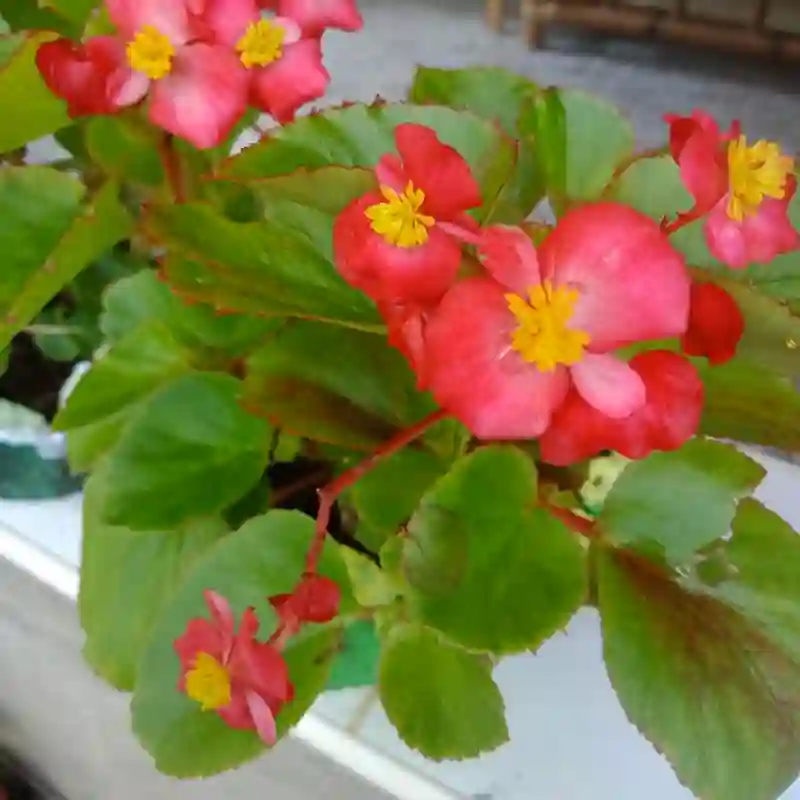
Begonia Solenia Salmon Coral is scientifically identified as Begonia x hiemalis ‘Solenia Salmon Coral’. This remarkable plant is a hybrid, specifically developed from a cross between tuberous and wax begonias, thereby inheriting desirable characteristics from both parent types. Its visual appeal is striking, featuring extra-large blossoms, typically measuring 2-5 inches across, which are fully double and boast a distinctive frilly texture. The color palette of these blooms ranges from a brilliant salmon-orange to a delicate coral-pink hue. These vibrant flowers are beautifully contrasted by the plant’s deep dark green, glossy, succulent, heart-shaped foliage, which often features serrated edges.
The plant exhibits a vigorous, mounded growth habit, typically achieving a mature height of 10-12 inches and a spread of 10-12 inches. Some documentation indicates a potential spread of up to 18-24 inches, suggesting its capacity to generously fill out containers or garden spaces. This robust growth and attractive form contribute significantly to its ornamental value in various landscape and container designs.
Key Features & Benefits: Sun Tolerance, Disease Resistance, Continuous Bloom
Begonia Solenia Salmon Coral is highly regarded for its superior sun tolerance, a characteristic that makes it a notable exception among many annual begonias. This enables it to flourish in locations where other begonia varieties would typically struggle. A significant advantage for gardeners is its robust disease resistance, particularly its notable immunity to powdery mildew , a prevalent issue for many begonia types. The plant also demonstrates improved resistance to other common pests and diseases.
Beyond disease resistance, its resilience extends to environmental stressors, showcasing strong wind resistance and drought tolerance. A key benefit that appeals to busy gardeners is its continuous bloom cycle, extending from spring through fall. This persistent flowering often requires no deadheading to maintain a tidy appearance and promote prolific blooming. This combination of attributes—sun adaptability, disease resistance, and continuous, low-maintenance flowering—establishes Solenia Salmon Coral as an easy-care, high-impact plant.
The collective attributes of “no deadheading,” “disease resistance,” and “wind/drought tolerance” strongly suggest a plant that is inherently resilient and forgiving. While some sources may describe it as “high maintenance” , this typically refers to the need for consistent watering and feeding, particularly in containers, to achieve optimal performance, rather than requiring constant pruning or battling persistent pest issues. For gardeners, this means the plant largely reduces the more time-consuming aspects of plant care, making it a practical and reliable choice for those with busy schedules or less gardening experience. The plant’s ability to thrive with foundational care, rather than intensive intervention, enhances its appeal as a beautiful yet manageable addition to diverse garden settings.
Cultivating Success: Growing & Caring for Your Solenia Salmon Coral
Light Requirements: Sun, Partial Shade, and Heat Considerations
Begonia Solenia Salmon Coral is highly valued for its adaptability to varying light conditions, thriving in environments ranging from full sun to partial sun. However, it is important to provide protection from harsh, direct afternoon sun exposures, especially in regions with intense heat or when the plant is situated against reflective surfaces such as south-facing white walls. Such conditions can intensify heat and lead to leaf scorch. In cooler climates, the plant typically tolerates more direct light without adverse effects. This flexibility in light requirements contributes to its versatility, allowing it to be successfully incorporated into a wider array of garden locations.
Soil & Watering: Ideal Conditions for Healthy Growth
This begonia thrives in enriched, evenly moist, and well-drained soil. Effective drainage is critical, as the plant is highly susceptible to root rot and will not survive in standing water or if its root system remains waterlogged. For container cultivation, a standard potting mix augmented with perlite or peat moss is recommended to ensure optimal drainage and aeration.
Watering should occur when the top 1 inch or 2 inches of soil feels dry to the touch, ideally in the morning. During the initial establishment phase, watering from the top is beneficial to ensure good contact between the plant plug and the surrounding soil. Once the plant is well-rooted, watering from underneath can be advantageous. It is important to avoid wetting the foliage, particularly during evening hours, as this can promote the development of fungal diseases such as powdery mildew.
Fertilization & Feeding Schedule
Solenia Salmon Coral benefits significantly from consistent fertilization during its active growing season, which spans spring and summer, to sustain its continuous and abundant blooms. A balanced, water-soluble fertilizer, diluted to half strength, should be applied every 2-4 weeks. For professional cultivation, a 12-12-12 formulation supplemented with calcium nitrate is recommended two weeks after potting. Should flowering begin to diminish, a phosphorus-rich fertilizer (e.g., 10-30-10) can be utilized to stimulate further bloom production. It is crucial to apply fertilizer sparingly, as begonias are considered light feeders, and excessive fertilization can lead to a buildup of salts in the soil, which is detrimental to their health. During the fall and winter months, when the plant’s growth naturally slows, fertilization should be ceased.
Temperature & Humidity: Creating the Perfect Environment
As a plant with tropical origins, Solenia Salmon Coral thrives in warm, humid conditions. The optimal daytime temperature range is between 65°F and 75°F (18°C to 24°C), with night temperatures ideally maintained between 55°F and 60°F (13°C to 16°C). Initiating growth in cold conditions can lead to poor branching and dominant shoots. Maintaining a relative humidity level of 60-70% is considered optimal for its growth. If the plant is grown indoors or in naturally dry climates, increasing the ambient humidity through the use of a pebble tray or a humidifier is advisable. It is important to shield the plant from drafts originating from windows or heating vents, as sudden fluctuations in temperature can induce stress and result in leaf drop.
While Begonia Solenia Salmon Coral is often described as “easy care,” this designation does not imply a tolerance for neglect. Instead, it signifies that the plant performs optimally when provided with a precise balance of environmental factors. This plant requires conditions that are “just right”—consistently moist but never soggy soil, and ample light that avoids the harshness of direct afternoon sun in hotter climates. Similarly, fertilization should be light and regular, rather than heavy and infrequent. This emphasis on balance and consistency is vital for preventing common issues such as root rot from overwatering or leaf scorch from excessive sun exposure. Understanding these precise requirements helps gardeners avoid common pitfalls and ensures the plant’s sustained health and vibrant display.
Begonia Solenia Salmon Coral Quick Care Guide
The following table provides a concise overview of the essential care requirements for Begonia Solenia Salmon Coral, consolidating key information for quick reference.
| Characteristic | Details | Relevant Sources |
| Light | Full sun to partial sun; shelter from harsh afternoon sun in hot regions. | |
| Water | Water when top 1-2 inches of soil is dry; keep consistently moist but never soggy. Avoid wet foliage. | |
| Soil | Well-drained, rich, evenly moist potting mix (pH 5.5-6.5); avoid heavy, clay-based soils. | |
| Fertilizer | Balanced, water-soluble fertilizer (e.g., 10-10-10) diluted to half strength, every 2-4 weeks during growing season. | |
| Temperature | Optimal: 65-75°F (day), 55-60°F (night); sensitive to cold below 55°F. | |
| Humidity | Thrives in high humidity (60-70%); use pebble tray or humidifier if air is dry. | |
| Mature Height | 10-12 inches (25-30 cm) | |
| Mature Spread | 10-12 inches (25-30 cm), up to 18-24 inches (46-61 cm) | |
| Bloom Time | Continuous, mid-spring through fall (until frost). | |
| Hardiness Zones | USDA Zones 9-11 (tender perennial); treat as annual in colder climates. |
Designing with Solenia Salmon Coral: Landscape & Container Ideas
Versatile Uses: Borders, Mass Planting, Accents
Begonia Solenia Salmon Coral is remarkably versatile, lending itself to a wide array of garden applications. Its mounded form and dense foliage make it an excellent choice for filling spaces within garden beds, creating vibrant borders, or for mass planting to achieve a striking and cohesive visual impact. It can also function effectively as a captivating accent plant, drawing attention with its bold, continuous blooms. A practical advantage in landscape design is its tendency to maintain dense foliage right down to the ground, often eliminating the need for “facer plants” in front.
Container & Hanging Basket Brilliance: “Thriller, Filler, Spiller” Concepts
Solenia Salmon Coral particularly excels in containers and hanging baskets, where its prolific blooms and mounding habit can be fully appreciated and showcased. It is frequently recommended as a “filler” component within the popular “spiller-thriller-filler” container design framework. In this role, it provides a mass of vibrant flowers that beautifully complement taller “thriller” plants and gracefully cascading “spiller” elements. Its capacity to create “waves of color” when spilling from baskets has made it a favored choice for container gardening enthusiasts.
Companion Plants: Creating Harmonious Garden Displays
To cultivate harmonious and visually appealing garden displays, it is advisable to pair Solenia Salmon Coral with companion plants that share similar light and watering requirements. Excellent choices include Coleus, Lobelia, and Lobularia. Other compatible plants frequently mentioned are Hosta, Coral Bells, Fern, Caladium, and Impatiens. For designs aiming to evoke a tropical ambiance in containers, Sweet Potato Vine, Paradise Vista Petunia, or Waikiki Sunset can be effective complements. The overarching principle is to select plants that not only visually complement Solenia Salmon Coral’s salmon-coral hues and deep green foliage but also thrive under similar sun exposure and moisture conditions.
The extensive discussion of Solenia Salmon Coral’s role as a companion plant and its specific application in container combinations, such as the “spiller-thriller-filler” method, illustrates a critical aspect of gardening beyond individual plant care. Gardeners rarely approach planting in isolation; instead, they design entire spaces, considering how plants interact both visually and culturally. This highlights a shift from focusing solely on a plant’s individual attributes to understanding its interoperability within a broader garden design system. This perspective allows for a more comprehensive approach to garden planning, where Solenia Salmon Coral is viewed as a versatile component that can be integrated into diverse aesthetic or functional garden plans. This approach provides holistic value, moving beyond basic care instructions to inspire creative and functional applications of the plant, ultimately fostering more successful and satisfying gardening outcomes.
Solenia Salmon Coral vs. Other Popular Begonias: A Comparative Look
Understanding the distinctions between Begonia Solenia Salmon Coral and other popular begonia types is crucial for making informed planting decisions. While all begonias share a common genus, their specific needs and optimal performance vary significantly, particularly concerning light requirements and growth habits.
Solenia vs. Tuberous Begonias: Light, Habit, and Uses
Solenia Salmon Coral: This variety is distinguished by its exceptional sun tolerance, thriving in full to partial sun, although protection from harsh afternoon sun is recommended in hotter climates. It exhibits a vigorous, mounded, and upright growth habit , making it highly versatile for both garden beds and containers.
Tuberous Begonias (Begonia x tuberhybrida): In stark contrast, tuberous begonias typically prefer partial shade or full shade, often showing signs of stress and becoming “crispy” when exposed to full sun. Their flowers commonly display a pendulous or hanging habit, which makes them particularly well-suited for hanging baskets and window boxes rather than traditional garden beds. They are known for producing vibrant, large, double blooms in a wide spectrum of jewel tones. It is important to acknowledge that Solenia is a hybrid that incorporates tuberous begonia genetics , which contributes to its desirable flower characteristics while significantly enhancing its sun tolerance.
Solenia vs. Wax Begonias: Size, Vigor, and Sun Adaptability
Solenia Salmon Coral: Offers superior sun resistance compared to many other annual begonia varieties. It produces large, double flowers and is recognized for its vigorous growth.
Wax Begonias (Begonia semperflorens): These are classic and widely popular bedding plants, appreciated for their prolific, season-long color. They typically feature smaller, yet numerous, single flowers in shades of pink, red, or white. While some wax begonia varieties, particularly those with bronze foliage, can tolerate full sun , and newer hybrids like ‘Whopper’ and ‘Big’ offer increased size and versatility , Solenia generally provides a larger, double flower form with more consistent sun performance across its series. Solenia’s genetic lineage also includes wax begonia characteristics.
Solenia vs. Rieger Begonias: Understanding the Series
Solenia Salmon Coral: This variety is explicitly a part of the ‘Solenia Series’ and is frequently classified as a Rieger Begonia itself. Its distinguishing attributes within the broader Rieger group are its significantly enhanced sun tolerance and notable resistance to mildew.
Rieger Begonias (Begonia x hiemalis): These begonias represent a hybrid cross between tuberous and wax begonias. Traditionally, Rieger begonias prefer cooler temperatures and are commonly cultivated as indoor plants or in shaded outdoor locations. The Solenia series was specifically developed as a new advancement within the Rieger offerings, bred to deliver superior sun-tolerant performance , marking a significant development for outdoor applications.
Solenia vs. Dragon Wing Begonias: Growth Habits and Best Applications
Solenia Salmon Coral: Is characterized by a mounded, upright growth habit , making it an excellent choice for creating full, compact displays in both hanging baskets and containers, as well as in garden beds.
Dragon Wing Begonias: Are known for their distinctive spreading and arching habit , which renders them particularly spectacular in hanging baskets and large containers where their stems can gracefully cascade. They are vigorous, heat-tolerant plants that can endure some sun, though they often perform best with morning sun and afternoon shade. Their foliage is glossy and distinctively wing-shaped.
The consistent description of Solenia as “sun-tolerant” across various sources, often accompanied by caveats such as “shelter from harsh afternoon sun” or the potential to “burn in full, hot, sunny locations” , reveals an important nuance. “Sun-tolerant” for begonias does not universally mean “thrives in scorching, all-day direct sun.” Instead, it generally signifies that these varieties can withstand more direct light than traditional shade-loving begonias but still benefit from some protection, especially during the most intense heat of the day or in specific regional climates. This clarification is critical for gardeners, as it sets realistic expectations and helps prevent disappointment. It also allows for a more refined understanding of begonia light requirements, moving beyond a simple “sun or shade” binary to a more sophisticated consideration of microclimates and regional intensity. This deeper understanding empowers gardeners to select the right begonia for their specific conditions, ensuring optimal plant health and performance.
Solenia Salmon Coral vs. Other Begonia Types
The following table provides a comparative analysis of Solenia Salmon Coral against other popular begonia types, highlighting key distinctions in their cultivation requirements and typical applications.
| Begonia Type | Light Preference | Growth Habit | Flower Type/Size | Primary Uses | Sun Tolerance (Relative) | Mildew Resistance |
| Solenia Salmon Coral | Full sun to partial sun (shelter from harsh afternoon sun) | Mounded, Upright, Vigorous | Large, Double, Frilly Salmon-Coral | Containers, Hanging Baskets, Beds, Borders, Mass Planting | High | High |
| Tuberous Begonias | Partial Shade to Full Shade (morning sun only) | Upright, Trailing (often pendulous) | Large, Double, Various Jewel Tones | Hanging Baskets, Window Boxes, Shade Beds | Low | Variable |
| Wax Begonias | Full Sun to Partial Sun to Shade (bronze leaf for more sun) | Compact, Mounded, Upright (some large hybrids) | Small, Numerous, Single (Red, Pink, White) | Bedding, Borders, Containers | Moderate to High | Variable |
| Rieger Begonias (General) | Partial Sun to Shade (cooler temperatures preferred) | Upright, Bushy | Densely Petaled, Rose-like, Various Colors | Indoor Plants, Shady Containers | Low (Solenia series is exception) | Variable (Solenia series is high) |
| Dragon Wing Begonias | Partial Sun to Sun (best with morning sun/afternoon shade) | Spreading, Arching, Vigorous | Large, Wing-shaped leaves (Red, Pink, White) | Hanging Baskets, Large Containers, Landscape | Moderate to High | Variable |
Troubleshooting Common Issues: Pests, Diseases, and Solutions
Even resilient plants like Begonia Solenia Salmon Coral can encounter challenges. Vigilant observation of the plant’s health is paramount for early detection and effective intervention.
Identifying Problems: Powdery Mildew, Mealybugs, Root Rot, etc.
Fungal Diseases:
- Powdery Mildew: This common fungal issue manifests as small, round, white or grayish spots, resembling fuzz, on the leaves, stems, and buds. It thrives in conditions of high environmental humidity combined with cool temperatures. While Solenia is recognized for its resistance to powdery mildew, extreme conditions can occasionally lead to an outbreak.
- Botrytis (Botrytis cinerea): This fungus typically presents as grayish and greenish spots, most often on older and basal leaves, stems, or buds. Botrytis commonly appears following tissue decay caused by excessive watering or excessively high environmental humidity.
Pests:
- Mealybugs (Planococcus sp., Pseudococcus sp.): These are easily identifiable as white, fluffy, unarmored scale insects. As sapsuckers, they damage foliage and deplete the plant’s nutrients, potentially leading to stunted growth and, in severe infestations, plant mortality.
- Spider Mites: These tiny sapsucking pests cause characteristic small white or yellow dots, known as stippling, on the leaves. Delicate webs may also be visible between leaves or at stem junctures. Affected leaves will eventually yellow and drop off.
- Thrips: These are elongated insects, typically yellow, brown, or black, characterized by fringed wings. Their feeding activity can result in distorted growth or curled leaves.
- Slugs: The presence of slugs is indicated by irregular-shaped holes on the foliage and distinctive slime trails.
- Nematodes: These are small worms that can be found among the roots, causing egg laying, or visible holes and “bites” in the plant’s tubers or rhizomes.
Physiological Issues (Environmental Stress):
- Drooping Leaves: This symptom can indicate that the plant is thirsty or is undergoing an adjustment to a new environment.
- Leaf Spots (Brown/Yellow): Often a sign of excessive direct sun exposure, leading to leaf scorch.
- Yellowing Leaves: A common indicator of overwatering, which can lead to root rot, or a deficiency in essential nutrients.
- Brown Edges: This may suggest low ambient humidity or a buildup of salts from hard water or excessive fertilization.
- Leaf Loss: Can be a result of extreme temperature fluctuations, drafts, or water stress (both over- and under-watering).
- Root Rot: This is one of the primary causes of begonia mortality, typically originating from a combination of excessive watering and poorly draining substrate, especially in containers lacking adequate drainage holes. Affected roots will appear brown or black and become mushy when touched.
Prevention & Treatment Strategies
Effective management of begonia health involves a combination of preventative measures and targeted treatments.
General Hygiene: Maintaining rigorous hygiene practices is crucial. This includes disinfecting hands, gloves, and gardening tools when handling plants. Ensuring good air circulation around the plant is also vital. When acquiring new plants or potting mixes, using quality, previously sterilized substrates can help prevent the introduction of soil-borne pests.
Watering & Soil: Adhering to precise watering techniques is paramount. Water the plant when the top 1-2 inches of soil is dry, maintaining consistent moisture without allowing the soil to become soggy. Excellent drainage is non-negotiable. Overwatering is a leading cause of root rot and should be strictly avoided.
Light Adjustment: If symptoms of sunburn (crispy, brown spots on leaves) are observed, relocate the plant to a spot that receives bright, indirect light.
Humidity Management: In environments with low humidity, indicated by brown leaf edges, increasing the humidity around the plant using pebble trays or humidifiers can be beneficial.
Pest Control:
- Mealybugs: Early detection is key. Isolate infested plants to prevent spread. A strong spray of water from a hose can dislodge many pests. Follow up with a diluted solution of rubbing alcohol or an insecticidal soap. Multiple applications may be necessary to eliminate all life stages. Preventative measures include routine water sprays and avoiding overwatering or over-fertilization, as stressed plants are more susceptible.
- Spider Mites: Remove webs and trim damaged foliage. Treat with insecticidal soap or horticultural oil. Repeat applications may be needed. Prevention involves keeping plants adequately hydrated (not overwatered) and regularly spraying foliage with water to remove dust and dislodge pests.
- Thrips: Prune away damaged growth and spray with water to dislodge the insects.
- Slugs: Manually remove heavily damaged foliage.
Disease Control (Fungal):
- Powdery Mildew: Improve air circulation. If conditions are severe, isolate the plant and treat with a specific antifungal product. Preventative measures include avoiding wet foliage at night.
- Botrytis: If localized, prune and remove affected parts. Ensure optimal watering and adequate ventilation. A domestic fungicide can be applied if necessary.
Nutrient Management: If yellowing leaves indicate nutrient deficiency, fertilize with a balanced formula during the growing season. Periodically flush the soil to remove salt buildup from hard water or over-fertilization, and consider using filtered or distilled water.
Temperature Stability: Protect plants from sudden temperature changes and drafts by keeping them away from drafty windows and heating/air conditioning vents.
Overwintering & Propagation: Ensuring Longevity and New Growth
Overwintering Solenia Salmon Coral
Begonia Solenia Salmon Coral, like all begonia varieties, cannot withstand freezing temperatures and requires specific winter care in colder climates. It is classified as a tender perennial, hardy in USDA Zones 9-11, and is typically grown as an annual in regions prone to frost.
For Tuberous Begonias (Solenia’s lineage): The process generally begins in early fall, before temperatures drop below 45°F. After the first light frost causes foliage to die back, dig up the tubers. Remove stems and leaves down to the crown, and gently shake off excess soil. The tubers should then be cured in a warm, dry location for several days to two weeks until thoroughly dry and stems detach easily. To prevent fungal issues during storage, tubers can be dusted with sulfur powder. Store them snugly in a cardboard box or paper bag filled with dry material such as peat moss, coco coir, or sawdust, in a cool (above 50°F), dark, dry, and frost-free location until outdoor temperatures consistently remain above 50°F in spring. Check stored tubers periodically for rot or insect damage.
For Potted Plants (treating as houseplants): If Solenia Salmon Coral is grown in containers, it can be brought indoors before any chance of frost. Prior to bringing plants indoors, it is advisable to inspect and treat them for any insect pests or powdery mildew. This can be done by spraying plants or gently washing them with warm water and bleach-free dish soap. To minimize stress and leaf drop from the transition, acclimate the plants by moving them to a shadier outdoor area for a week or two before bringing them indoors completely. Once indoors, place them in a location that receives bright, indirect light, away from cold drafts or heating vents. Maintain consistent temperatures between 60°F and 73°F, with slightly cooler nights. Continue to water when the top inch of soil dries, and mist plants if indoor air is particularly dry. Fertilization is generally not required during winter, or only at half strength if leaves show yellowing. Trim back leggy growth as needed.
Propagation: Creating New Plants
Begonia Solenia Salmon Coral can be propagated through stem cuttings. The ideal time for propagation is in the spring.
Steps for Stem Cuttings:
- Select Cuttings: Identify mature stems with several nodes, avoiding fibrous or woody sections. Take 4-inch long cuttings, making a clean cut just below a node using a sharp, clean knife or gardening scissors.
- Prepare Cuttings: Remove the lower leaves from the cutting. Dipping the cut end into rooting hormone is optional but can encourage root development.
- Planting: Fill a container with a well-draining potting mix. Create deep holes with a finger or pencil. Insert the stem cuttings into the holes and gently firm the soil around them.
- Humidity & Moisture: To maintain high humidity and moisture, place a clear plastic bag or a humidity dome over the container, ensuring it does not touch the leaves or stems. Keep the soil consistently moist while roots form, which typically takes about three to four weeks. For professional rooting, a soil temperature of 74-76°F and long-day treatment are advised, with misting for the first 7-10 days, gradually reducing it by day 18-20. Rooting time is generally 30-35 days.
- Transplanting: After six to eight weeks, when the transplants have developed sufficient roots, they should be ready for larger containers or outdoor planting.
Conclusions & Recommendations
Begonia Solenia Salmon Coral stands out as a highly valuable and versatile plant for gardeners, particularly those seeking vibrant, continuous color in sun-exposed areas. Its unique sun tolerance, combined with robust disease and wind resistance, offers a compelling advantage over many traditional begonia varieties. This plant’s “easy care” reputation stems from its inherent resilience and lack of need for constant deadheading, making it a practical choice for both novice and experienced gardeners.
However, optimal performance hinges on understanding its specific “Goldilocks” requirements: consistently moist but never soggy soil, adequate drainage, and protection from the harshest afternoon sun in hot climates. While forgiving, consistent foundational care in these areas will unlock its full potential for prolific, long-lasting blooms.
For garden design, Solenia Salmon Coral excels as a “filler” in container combinations and creates stunning mass plantings or borders. Its compatibility with a range of companion plants allows for diverse and harmonious garden aesthetics. The comparative analysis highlights its distinct advantages over other begonia types, especially concerning sun adaptability, providing clarity for gardeners navigating the vast begonia genus.
In conclusion, Begonia Solenia Salmon Coral is highly recommended for its aesthetic appeal, resilience, and adaptability. To maximize its beauty and longevity, gardeners should prioritize well-draining soil, precise watering, and thoughtful placement that balances sun exposure with protection from extreme heat. By adhering to these guidelines, Solenia Salmon Coral will consistently deliver a spectacular display, proving itself an invaluable addition to any garden or container arrangement.

If i die, water my plants!