The world of plants offers an endless array of beauty and fascination, but few specimens captivate quite like the Begonia ‘Art Hodes’. With its distinctive texture, rich coloring, and surprising resilience, this rhizomatous begonia stands out as a true gem for both seasoned horticulturists and budding green thumbs. This comprehensive guide will take you through everything you need to know about cultivating a thriving ‘Art Hodes’, interspersed with a personal time-lapse narrative detailing its growth from a fragile cutting to a magnificent specimen.
The Enchanting ‘Art Hodes’ Begonia: A Botanical Profile
Begonia ‘Art Hodes’ is a distinguished herbaceous perennial, recognized for its compact, bushy growth habit and, most notably, its exquisite foliage. Imagine large, intricately textured leaves, cloaked in a deep olive-green hue, often subtly blushed with a captivating red sheen on their undersides. A delicate overlay of fine red hairs further enhances their allure, lending the leaves a unique, slightly pebbled appearance that begs to be touched. This rich interplay of color and texture creates a truly eye-catching presence in any indoor garden or shaded outdoor space.
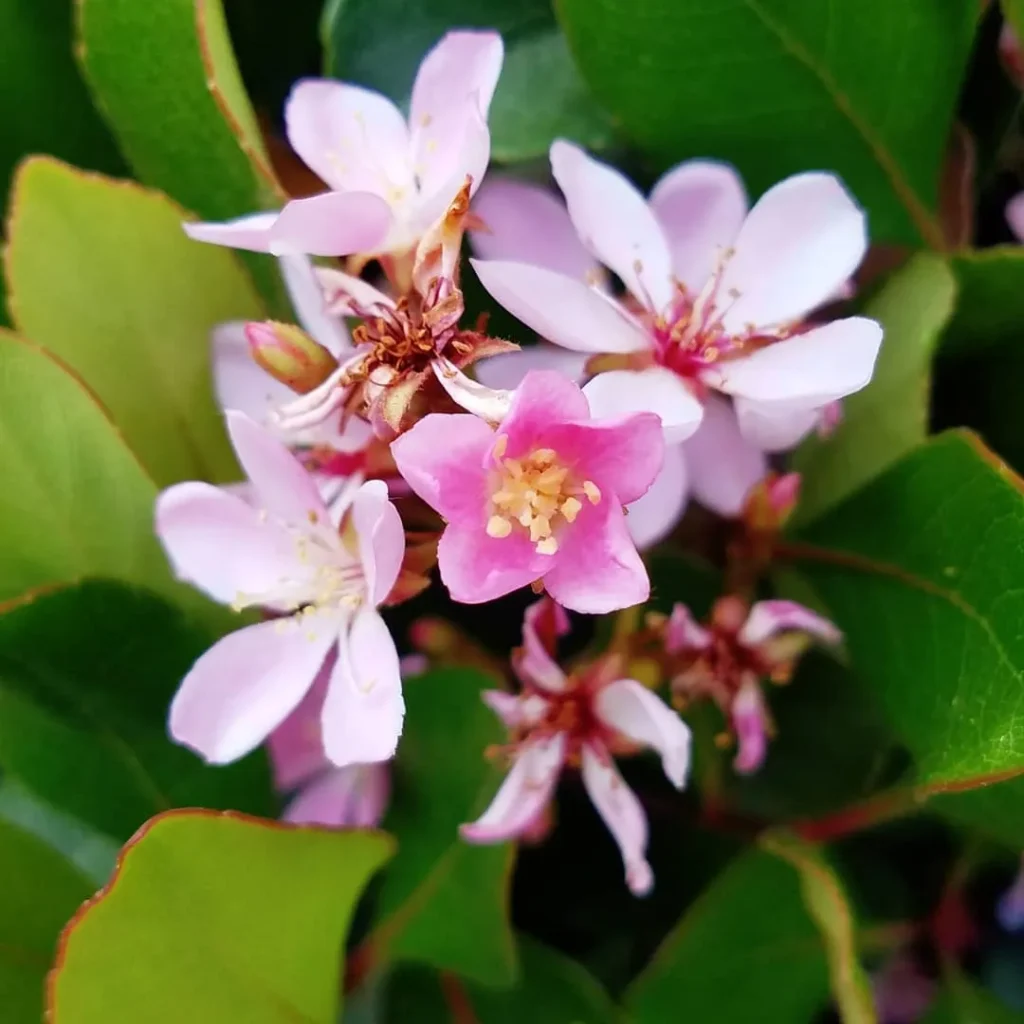
Beyond its striking leaves, ‘Art Hodes’ graces its admirers with delicate clusters of small, white flowers. These blooms typically emerge reliably throughout its growing season, from May through October, adding an understated elegance to its already captivating form. It’s a plant that thrives on consistent care but is remarkably forgiving, rewarding its caretaker with years of lush growth and visual intrigue.
‘Art Hodes’ in the Begonia Kingdom: A Comparative Look
The genus Begonia is incredibly diverse, encompassing over 1,800 species, each with its own unique charm. To truly appreciate the ‘Art Hodes’, it’s helpful to understand where it stands among some of its popular cousins:
- Begonia ‘Art Hodes’ vs. Begonia Rex: Rex Begonias are celebrated for their spectacularly vibrant and intricately patterned foliage, often showcasing an explosion of colors. While undeniably beautiful, they typically demand higher humidity levels and can be more temperamental, making them a bit fussier to cultivate. The ‘Art Hodes’, in contrast, offers a similar emphasis on stunning foliage but with a more forgiving nature regarding environmental conditions, particularly humidity, making it a more approachable option for many enthusiasts.
- Begonia ‘Art Hodes’ vs. Begonia Semperflorens (Wax Begonias): Often favored for their vibrant, continuous blooms in a wide array of colors, Wax Begonias are known for their low-maintenance qualities. Their primary appeal lies in their floriferous display, with their foliage playing a secondary role. The ‘Art Hodes’, while also flowering, places a greater emphasis on its magnificent leaf texture and coloration, making it a superior choice for those who prioritize foliage interest over floral abundance. It presents a more nuanced beauty where the leaves themselves are the main event.
- Begonia ‘Art Hodes’ vs. Cane Begonias: Cane Begonias, characterized by their upright, bamboo-like stems and often striking silver-spotted leaves, can grow quite tall. While they offer a different architectural form and also produce beautiful flowers, the ‘Art Hodes’ maintains a more compact, bushy habit, making it ideal for smaller spaces or as a mounding plant in containers.
My Begonia ‘Art Hodes’ Time-Lapse: A Gardener’s Chronicle (Months 1-24)
Month 1-3: The Humble Beginnings – A Cutting Takes Root
“It all started with a small stem cutting, a gift from a fellow plant enthusiast. It was a healthy segment, perhaps four inches long, with just a couple of nascent leaves and a promising node. I remember preparing a small pot with a fine, airy mix of peat moss and perlite, ensuring excellent drainage. I dipped the cut end into rooting hormone, a hopeful gesture, and then gently inserted it into the moist substrate. The initial weeks were a test of patience. I covered the pot with a clear plastic bag to create a mini-greenhouse effect, maintaining high humidity, and placed it in a spot that received bright, indirect light – near an east-facing window. I misted it occasionally, checking the soil daily to ensure it remained consistently moist but never soggy. My excitement was palpable when, after about three weeks, I noticed tiny, translucent roots peeking through the drainage holes. The leaves, once a bit limp, now held themselves with a newfound vigor. By the end of month three, I had a small, sturdy plantlet, ready for its own permanent home.”
Month 4-6: Establishing Foundations – Growth and First Leaves
“Transplanting the young ‘Art Hodes’ was a delicate operation. I moved it to a slightly larger pot, about 6 inches in diameter, filled with a well-draining potting mix specifically formulated for begonias. This mix, rich in organic matter but loose enough to prevent waterlogging, would be crucial. During these months, the focus was on establishing a robust root system. I kept up with consistent watering, allowing the top inch of soil to dry out before re-watering, usually every 3-4 days given the warmer summer temperatures. I also started a very dilute feeding regimen with a balanced liquid fertilizer, applying it every two weeks. New leaves began to unfurl, showcasing that characteristic pebbled texture and olive-green hue. It was a joy to watch each new leaf emerge, signaling the plant’s happy progress. The plant remained compact but visibly bushier.”
Month 7-12: The Adolescent Phase – Bushiness and Budding Hints
“As the ‘Art Hodes’ approached its half-year mark, its growth accelerated. It transformed from a plantlet into a truly bushy specimen, its mounded form filling out the pot beautifully. The stems became more robust, taking on a subtle reddish tint. I noticed that it really appreciated the stable environment – temperatures consistently between 65-75°F (18-24°C) and moderate humidity, which I maintained by grouping it with other plants and using a pebble tray. As autumn approached, I observed tiny, almost imperceptible buds forming in the leaf axils. It was a thrilling discovery! The watering frequency naturally reduced as the days shortened, perhaps once a week now, always checking the soil moisture diligently. I also began light pruning, snipping off any older, tired stems or slightly leggy growth to encourage more compact, lateral development. It really started to look like the photographs I’d admired.”
Month 13-18: Blooming Elegance & Seasonal Adjustments
“The winter months brought a surprising treat: the first significant flush of white flowers. While smaller than some other begonia blooms, their delicate appearance against the dark, textured foliage was absolutely charming. This confirmed what I’d read – that ‘Art Hodes’ can bloom reliably throughout the year, even into the cooler seasons, if given adequate light. During this period, I slightly increased the ambient humidity and ensured it received sufficient indirect light, supplementing with a grow light for 12-14 hours daily. The fertilizer regimen was scaled back during these less active months. This was also when I truly appreciated its resilience; even if I missed a watering, its thick leaves seemed to help it bounce back quickly, a testament to its tolerance for brief periods of drought. I continued deadheading spent blooms to encourage new ones.”
Month 19-24: Mature Splendor – A Full-Bodied Display
“Reaching two years, my ‘Art Hodes’ is now a magnificent, mature plant, standing proudly at about 15 inches tall and spreading roughly 20 inches wide. Its large, grape-shaped leaves are more numerous and vibrant than ever, and it’s a consistent producer of those lovely white flower clusters. It has become a focal point in my plant collection. I’ve learned that consistent but not excessive care is its secret. Good air circulation is vital, especially given its preference for moderate humidity, to prevent fungal issues. It’s also important to inspect the plant regularly for any signs of pests like mealybugs or thrips, although I’ve been fortunate so far. The joy of watching this plant mature, responding to my care with such lush growth, has been incredibly rewarding. It’s a living testament to the beauty and resilience of nature.”
Comprehensive Care Guide for Begonia ‘Art Hodes’
Cultivating a thriving Begonia ‘Art Hodes’ involves understanding its specific needs, which are generally moderate and forgiving compared to some of its more demanding relatives.
1. Light Requirements: Begonia ‘Art Hodes’ flourishes in bright, indirect light. Think of its natural habitat where it would receive filtered sunlight under a tree canopy.
- Indoors: An east-facing window is ideal, providing gentle morning sun. A west-facing window can also work, but ensure the light is diffused (e.g., with a sheer curtain) to protect from harsh afternoon rays, which can scorch its delicate leaves. North-facing windows can sometimes be too dim, leading to leggy growth and sparse flowering.
- Outdoors (Zones 10-11): Place it in a spot with dappled shade or partial shade. Avoid direct midday sun at all costs.
- Supplemental Lighting: If natural light is insufficient, especially during darker winter months, supplement with a fluorescent or LED grow light for 12-14 hours per day.
2. Watering Schedule: Consistent, moderate watering is paramount for ‘Art Hodes’. The key is to find a balance:
- Frequency: Allow the top inch (about 2.5 cm) of soil to dry out slightly between waterings. This typically translates to watering every 3-4 days in warmer summer months and reducing to once a week in winter or in cooler conditions.
- Method: Water thoroughly until water drains from the bottom of the pot. Ensure excess water does not sit in a saucer beneath the pot, as this can lead to root rot. Water the base of the plant, avoiding wetting the leaves, especially if humidity is high, to prevent fungal diseases like powdery mildew.
- Drought Tolerance: While it appreciates consistent moisture, ‘Art Hodes’ has some tolerance for brief periods of drought dueaking to its somewhat thick, fleshy leaves that help minimize water loss. However, prolonged dryness will stress the plant.
3. Soil Mix: A well-draining potting mix is essential to prevent waterlogging and ensure healthy root development.
- Recommended Mix: Opt for a light, airy, and well-aerated potting mix. Commercial mixes formulated for African violets or begonias are excellent choices.
- DIY Mix: A good homemade mix can consist of:
- 2 parts peat moss (or coco coir)
- 1 part perlite
- 1 part coarse sand or fine orchid bark This blend provides good moisture retention while allowing for excellent drainage and aeration.
4. Humidity Requirements: Begonia ‘Art Hodes’ thrives in moderate to high humidity. While not as demanding as some other begonia species (like certain Rex varieties), maintaining humidity will contribute to lush foliage and overall plant health.
- Ideal Levels: Aim for 40-60% humidity.
- Boosting Humidity:
- Pebble Tray: Place the pot on a tray filled with pebbles and water, ensuring the bottom of the pot does not sit in the water. As the water evaporates, it increases local humidity.
- Grouping Plants: Grouping your ‘Art Hodes’ with other humidity-loving plants can create a microclimate.
- Humidifier: In very dry environments, a room humidifier is the most effective solution.
- Misting: While some sources suggest misting, do so sparingly and with a fine mist, ensuring water droplets don’t sit on the hairy leaves for too long, as this can encourage fungal issues. Good air circulation is crucial if misting.
5. Temperature: This begonia prefers stable, warm temperatures.
- Ideal Range: Maintain temperatures between 60-75°F (15-24°C).
- Avoid Extremes: Protect it from sudden temperature fluctuations, cold drafts, and temperatures below 55°F (13°C), as this can cause stress and lead to leaf drop or stunted growth. ‘Art Hodes’ is not frost-tolerant and should be brought indoors or treated as an annual in colder climates (USDA Zones 9 and below).
6. Fertilization: Feed your ‘Art Hodes’ during its active growing season to support its vigorous foliage and flowering.
- Type: Use a balanced liquid fertilizer (e.g., 20-20-20 or a specialized houseplant fertilizer).
- Frequency: Apply every two to four weeks during spring and summer.
- Dilution: Always dilute the fertilizer to half or quarter strength to avoid nutrient burn, especially for sensitive plants like begonias.
- Winter: Reduce or cease fertilization during fall and winter when the plant’s growth naturally slows down.
7. Pruning: Regular, light pruning helps maintain a compact, bushy shape and encourages new growth.
- Timing: The best time for significant pruning is in late spring or early summer.
- Technique: Cut back no more than one-third of the plant at a time. Remove any old, tired stems, leggy growth, or spent blooms. Pinching back stem tips can also promote bushiness. This plant responds well to consistent, light pruning rather than heavy, infrequent cuts.
8. Propagation: Sharing the Beauty Begonia ‘Art Hodes’ is relatively easy to propagate, allowing you to multiply your collection or share with friends.
- Stem Cuttings:
- Select a healthy stem tip with at least two nodes (the points where leaves attach) and a few leaves.
- Using clean, sharp scissors or a knife, cut the stem just below a node.
- Remove any lower leaves that would be submerged in the rooting medium.
- (Optional but recommended) Dip the cut end in rooting hormone.
- Plant the cutting in a moist, well-draining rooting medium such as peat moss, perlite, or a mix of both.
- Create a humid environment by covering the pot with a clear plastic bag or dome, ensuring the leaves don’t touch the plastic.
- Place in bright, indirect light and keep the medium consistently moist.
- Roots typically develop within a few weeks (2-4 weeks). Once established, you can transfer to a regular potting mix.
- Leaf Cuttings:
- Choose a healthy, mature leaf and cut it off near the base of the petiole (leaf stalk).
- Insert the petiole into a moist rooting medium, ensuring the base of the leaf blade is just above the surface.
- Maintain high humidity and indirect light, similar to stem cuttings.
- With patience, a new plantlet should sprout from the base of the leaf. This method can take longer than stem cuttings.
9. Common Issues and Solutions: While generally robust, ‘Art Hodes’ can face some challenges:
- Yellowing Leaves:
- Cause: Most commonly, overwatering. It can also be due to under-watering or nutrient deficiency.
- Solution: Adjust your watering schedule, ensuring the top layer of soil dries out between waterings. Check drainage. If soil is consistently wet, consider repotting into fresh, well-draining mix.
- Brown Edges/Holes on Leaves:
- Cause: Often indicates low humidity, underwatering, or physical damage. It can also be a sign of fungal issues if combined with a wet environment.
- Solution: Increase humidity (pebble tray, humidifier), ensure consistent watering. If fungal, improve air circulation and avoid wetting leaves.
- Dropping Leaves:
- Cause: Usually a sign of stress from sudden environmental changes (temperature drops, drafts), overwatering, or severe underwatering.
- Solution: Identify and rectify the environmental stressor. Ensure consistent care.
- Pests:
- Mealybugs: These small, white, cottony insects suck sap from the plant.
- Thrips: Tiny, slender insects that can cause silvering or distortion of leaves.
- Solution: Isolate the affected plant. For mild infestations, wipe with a cotton swab dipped in rubbing alcohol. For more severe cases, treat with insecticidal soap or neem oil solution, ensuring thorough coverage of all leaf surfaces.
- Diseases (Fungal):
- Bacterial Leaf Spot, Powdery Mildew, Botrytis, Stem Rot: These are often exacerbated by high humidity combined with poor air circulation, or overly wet conditions.
- Solution: Improve air circulation around the plant. Avoid overhead watering and ensure the soil dries out adequately between waterings. Remove affected plant parts immediately. Fungicides may be necessary for severe cases.
10. Overwintering and Dormancy: In USDA Zones 10-11, ‘Art Hodes’ can remain outdoors as a perennial. In colder climates, it must be brought indoors before the first frost.
- Indoor Care: Treat it as a houseplant in a warm, bright location. Reduce watering frequency as growth slows.
- Semi-Dormancy: Some rhizomatous begonias, including ‘Art Hodes’, may experience a period of semi-dormancy in mid-summer or mid-winter, where foliage growth slows or it may lose some leaves. This is normal. Reduce watering during this period and resume regular care when new growth appears.
Conclusion: A Textured Treasure for Every Home
The Begonia ‘Art Hodes’ truly is a textured treasure that offers immense visual appeal with relatively manageable care requirements. Its distinctive pebbled foliage, subtle reddish undertones, and delicate white blooms make it a captivating addition to any plant collection. Whether you’re a seasoned enthusiast seeking a unique specimen or a beginner looking for a rewarding plant to nurture, the ‘Art Hodes’ is an excellent choice. With proper attention to light, water, humidity, and occasional pruning, your Begonia ‘Art Hodes’ will undoubtedly flourish, providing years of lush beauty and enriching your indoor (or outdoor, in suitable climates) botanical haven. Welcome this forgiving and fascinating begonia into your home, and prepare to be rewarded by its enduring charm.

If i die, water my plants!