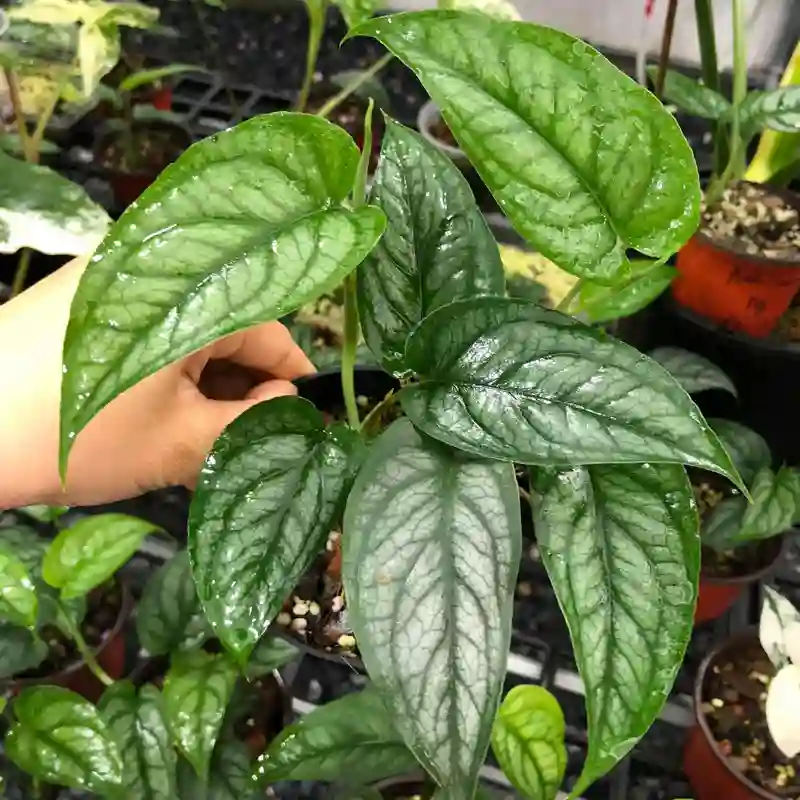
The world of houseplant enthusiasts is vast and varied, but few plants capture the imagination quite like the Begonia goegoensis. Often dubbed the “Fire King Begonia” for its striking, almost incandescent foliage, this Sumatran jewel is a testament to nature’s artistry. Its large, ovate leaves, with their intricate, web-like pattern of pale green veins, deep green to bronze hues, and a subtle, velvety texture, are truly captivating. Beneath, a fiery red or rich burgundy adds a dramatic contrast, making it an absolute showstopper in any collection.
More than just a pretty face, Begonia goegoensis offers a rewarding, albeit specific, cultivation experience. It’s a rhizomatous begonia, spreading horizontally to create a lush, low-growing display. While some might consider it a plant for the seasoned collector, understanding its unique needs can transform anyone into a successful guardian of this magnificent species. Join me on a personal three-year “time lapse” journey as I uncover the secrets to nurturing this botanical masterpiece, interleaved with comprehensive insights into its care.
Year 1: The First Spark – Understanding Begonia goegoensis
Botanical Rarity: Unveiling the Fire King’s Identity
Begonia goegoensis (pronounced beh-GOH-nee-uh goh-eh-GO-en-sis) is a member of the diverse Begoniaceae family, a group renowned for its ornamental foliage and flowers. Native to the lush, humid rainforests of Sumatra, Indonesia, particularly Goego Island, this species thrives in the understory, often growing epiphytically on rocks, tree trunks, and branches, or as a terrestrial plant in leaf litter. Its natural habitat provides crucial clues to its preferred growing conditions: warmth, high humidity, consistent moisture, and filtered light.
The plant was first introduced to the horticultural world in 1882 and quickly gained acclaim, receiving a First Class Certificate from the Royal Horticultural Society. Its allure lies in its unique leaf morphology: large, peltate (stem attached to the center of the leaf), bullate (puckered or bubbly texture), and adorned with stunning venation that resembles a spider’s web or an ancient map. The upper surface ranges from a deep olive-green to a metallic bronze, often with shades of purple, while the underside consistently displays a vibrant red or deep burgundy, earning it the evocative “Fire King” moniker. Small, delicate pink to white flowers may emerge, but the foliage is undeniably the star of the show.
My Time Lapse Journal: Month 1-3 – The Humble Beginnings
It was early spring when I first brought my little Begonia goegoensis home. It wasn’t much more than a few delicate leaves, its intricate patterns just beginning to hint at the majesty to come. I had read about its reputation as a bit of a diva, but I was determined. My first priority was to replicate its native Sumatran conditions as best I could. I settled it into a small, well-draining terracotta pot, filled with a custom-blended mix.
For the first few weeks, I kept it in a clear plastic bin to boost the humidity. I checked on it daily, misting its leaves with purified water and ensuring the soil felt just barely damp to the touch. The initial growth was slow, almost imperceptible, a lesson in patience. The leaves, though small, already had that distinctive bullate texture and the subtle shimmer. I remember the excitement when a tiny, new leaf unfurled, a vibrant, almost iridescent bronze, slowly deepening to green.
Year 1: Cultivating Splendor – Essential Care Requirements
Light: The Goldilocks Zone for Radiance
Begonia goegoensis thrives in bright, indirect light. Think of the filtered sunlight it would receive under a dense rainforest canopy. Direct, harsh sunlight, especially during the hottest parts of the day, will scorch its delicate leaves, leading to unsightly brown patches and a dulling of its vibrant colors. Conversely, too little light can result in leggy, etiolated growth, reduced leaf size, and a loss of the rich coloration.
Optimal Placement:
- An east-facing window is often ideal, providing gentle morning sun.
- A few feet back from a south or west-facing window, or diffused by a sheer curtain, also works well.
- Under grow lights, aim for medium intensity, typically 10-14 hours a day, keeping the light source at a distance to prevent burning.
Signs of Incorrect Light:
- Scorched or faded leaves: Too much direct light.
- Leggy stems, small leaves, dull coloration: Not enough light.
Watering: The Art of Consistent Moisture
Consistent moisture is key for Begonia goegoensis, but it’s crucial to avoid waterlogging, which quickly leads to root rot – a common killer of begonias. The goal is “evenly moist,” not “soggy.”
Best Practices:
- Feel the Soil: Water when the top inch (2.5 cm) of the potting mix feels dry to the touch. Stick your finger into the soil or use a moisture meter.
- Thorough Drenching: When you water, do so thoroughly until water drains from the bottom of the pot. This ensures the entire root ball is hydrated.
- Drainage is Non-Negotiable: Always ensure your pot has adequate drainage holes. Never let the pot sit in standing water.
- Water Quality: Use room-temperature water. Cold water can shock the plant, and heavily chlorinated water can potentially harm it. Filtered water or rainwater is ideal.
Signs of Watering Issues:
- Wilting, yellowing leaves, mushy stems: Overwatering, likely root rot.
- Crispy, brown leaf edges, drooping leaves: Underwatering.
Humidity: A Breath of Tropical Air
High humidity is perhaps the most critical factor for Begonia goegoensis, reflecting its native rainforest environment. It thrives in humidity levels of 60% or higher. Without adequate humidity, its leaves can become crispy, edges may brown, and growth can be stunted.
How to Maintain High Humidity:
- Terrariums or Enclosures: The most effective method is to grow it in a closed or semi-closed terrarium, cloche, or a dedicated plant cabinet/greenhouse. This creates a consistently humid microclimate.
- Humidifiers: A room humidifier placed near the plant can significantly raise ambient humidity.
- Pebble Trays: Place the pot on a tray filled with pebbles and water, ensuring the bottom of the pot does not touch the water. As the water evaporates, it increases humidity around the plant. While helpful, this method is less effective than terrariums or humidifiers for truly high-humidity lovers.
- Grouping Plants: Grouping plants together can create a small localized humidity boost as plants release moisture through transpiration.
- Avoid Misting Alone: While misting feels intuitive, it only provides a temporary humidity spike and can lead to fungal issues if water sits on the leaves for too long without good air circulation. It’s not a substitute for consistent high humidity.
Temperature: Keeping the Tropical Warmth
Begonia goegoensis prefers warm, stable temperatures, ideally between 18°C and 26°C (65°F to 79°F). It is highly sensitive to cold drafts and sudden temperature fluctuations.
Key Considerations:
- Avoid Extremes: Protect it from temperatures below 13°C (55°F), which can cause damage, and prolonged exposure to temperatures above 29°C (85°F), which can stress the plant.
- Stable Environment: Keep it away from air conditioning vents, heating registers, and drafty windows.
My Time Lapse Journal: Month 4-6 – Settling In and Adapting
By the fourth month, my Begonia had visibly plumped up. The initial plastic bin was starting to feel cramped. I decided it was time to move it into a dedicated plant cabinet, where I could better control the humidity and air circulation. The leaves were growing larger, and the bullate texture was becoming more pronounced. I started to notice how the light hit the leaves, making the veins almost glow. It was mesmerizing.
I learned quickly that “consistently moist” was a dance, not a rigid rule. Some days it needed water more often, especially when the cabinet was opened frequently, letting humidity escape. Other days, it held onto moisture longer. I started getting a feel for the weight of the pot, a good indicator. It was during this period I began to appreciate the plant’s quiet resilience, even as I fretted over every brown tip or slightly droopy leaf. Each new unfurling leaf felt like a small victory.
Year 2: Nurturing Growth – Soil, Nutrition & Propagation
Soil: The Foundation for Flourishing Roots
A well-draining, airy, and rich potting mix is paramount for Begonia goegoensis. Its roots are prone to rot in heavy, soggy soil, but it also needs sufficient moisture retention. A slightly acidic pH (5.5 to 6.5) is ideal for nutrient uptake.
Ideal Soil Mix Components:
- Peat Moss or Coco Coir (2 parts): Provides excellent moisture retention while being light.
- Perlite (1 part): Crucial for aeration and drainage, preventing compaction.
- Orchid Bark (1 part): Adds chunkiness, improving drainage and airflow.
- Worm Castings or Compost (1 part): Provides slow-release organic nutrients and improves soil structure.
- Optional: A small amount of horticultural charcoal can aid drainage and absorb impurities.
Creating Your Mix: Combine these components thoroughly. The mix should feel light, fluffy, and drain quickly when watered, but still retain some moisture.
Fertilization: Fueling the Fire
Begonia goegoensis is not a heavy feeder, but it benefits from regular, diluted fertilization during its active growing season (spring through early autumn). Avoid fertilizing during winter or periods of dormancy.
Recommendations:
- Type: Use a balanced, water-soluble liquid fertilizer (e.g., 10-10-10 or a slightly higher phosphorus content for foliage color).
- Dilution: Always dilute the fertilizer to half or even quarter strength of the recommended dosage on the product label.
- Frequency: Fertilize every 2 to 4 weeks during the active growing period.
- Application: Apply to moist soil to prevent root burn.
Signs of Nutrient Imbalance:
- Pale or yellowing leaves (overall): Nitrogen deficiency.
- Stunted growth: General nutrient deficiency.
- Brown leaf tips/edges: Over-fertilization (salt buildup).
Propagation: Multiplying the Magnificence
Begonia goegoensis can be propagated relatively easily, primarily through leaf cuttings and rhizome division. This allows you to create new plants to share or expand your collection.
1. Leaf Cuttings (My Preferred Method):
- Select: Choose a healthy, mature leaf from the parent plant.
- Prepare: Cut the leaf into wedge-shaped pieces, ensuring each piece includes a portion of a main vein. Alternatively, you can root a whole leaf with a short petiole (stem).
- Plant: Insert the cut edge of the leaf wedge (or the petiole of a whole leaf) into a moist, sterile propagating mix (e.g., perlite, sphagnum moss, or a very light potting mix). Bury the cut end slightly, leaving most of the leaf exposed.
- Humidity: Cover the tray or pot with a clear plastic dome or bag to create a mini-greenhouse effect and maintain high humidity.
- Care: Place in a warm spot with bright, indirect light. Keep the medium consistently moist but not soggy.
- Patience: New plantlets should emerge from the cut veins at the base of the leaf piece in 4-8 weeks. Once they have a few true leaves, you can gently separate and pot them individually.
2. Rhizome Division:
- When: Best done during repotting in spring.
- Process: Gently remove the plant from its pot. Identify rhizomes with existing roots and at least one or two growth points/leaves. Carefully cut the rhizome into sections, ensuring each section has roots and foliage.
- Plant: Replant each division into fresh, well-draining potting mix, burying the rhizome partially, allowing the top surface to be exposed or just at the soil line.
- Care: Treat newly divided plants like sensitive cuttings, maintaining high humidity and consistent moisture until they establish.
My Time Lapse Journal: Month 7-12 – Experimenting and Expanding
As my main Begonia thrived, I decided to try my hand at propagation. It felt like a natural next step, a way to truly “master” its care. I started with a few leaf cuttings, carefully slicing healthy leaves into wedges, each with a prominent vein. I placed them in a shallow tray of moist sphagnum moss, covered them with a clear plastic lid, and watched.
It took weeks, but eventually, tiny green bumps appeared along the cut edges. It was like magic! Those bumps slowly transformed into miniature leaves, exact replicas of the parent plant. My first plantlet felt like a profound achievement. I carefully separated it and potted it, a tiny hopeful heir to the Fire King. This period was also about refining the watering – I learned to lift the pot to gauge its weight, a much better indicator than just feeling the top inch of soil.
Year 2: Health & Harmony – Overcoming Challenges
Common Pests: Guarding Against Intruders
Like many houseplants, Begonia goegoensis can be susceptible to common indoor pests, especially in stressed conditions or low humidity. Regular inspection is key to early detection.
- Spider Mites: Tiny arachnids that cause stippling (tiny yellow or white dots) on leaves and fine webbing, particularly on the undersides. They thrive in dry, warm conditions.
- Mealybugs: Small, soft-bodied insects with a white, cottony appearance, often found in leaf axils and along stems. They suck plant sap, leading to stunted growth.
- Thrips: Slender, winged insects that cause silvery streaks and distorted new growth.
- Fungus Gnats: Small, black flies that buzz around the plant; their larvae feed on organic matter and sometimes roots in overly moist soil.
Treatment:
- Isolation: Isolate infected plants immediately to prevent spread.
- Manual Removal: For small infestations, wipe off pests with a cotton swab dipped in rubbing alcohol.
- Horticultural Oil/Insecticidal Soap: Apply according to package directions, ensuring thorough coverage, especially on leaf undersides. Repeat applications are usually necessary.
- Improve Airflow: Good air circulation can deter some pests.
- Beneficial Insects: For persistent issues, consider predatory mites (for spider mites) or nematodes (for fungus gnat larvae).
Common Diseases: Preventing Ailments
Most diseases in Begonia goegoensis are fungal and often linked to improper watering or high humidity without adequate air circulation.
- Powdery Mildew: White, powdery patches on leaves and stems. Caused by poor air circulation and high humidity.
- Botrytis Blight (Gray Mold): Fuzzy, gray mold on leaves, stems, and flowers, often affecting decaying plant material. Caused by high humidity, poor air circulation, and cool temperatures.
- Root Rot: Soft, mushy, brown roots, accompanied by wilting and yellowing leaves. Caused by overwatering and poorly draining soil.
Prevention and Treatment:
- Proper Watering: Avoid overwatering. Allow the top inch of soil to dry out between waterings.
- Good Air Circulation: Ensure adequate airflow around the plant, especially in terrariums or humid environments. A small fan can help.
- Sanitation: Promptly remove any dead or decaying leaves or flowers to prevent fungal spores from spreading.
- Fungicides: In severe cases, a horticultural fungicide can be used, following product instructions carefully.
- Repotting (for Root Rot): If root rot is suspected, unpot the plant, trim away all affected (mushy, black) roots, and repot in fresh, sterile, well-draining soil. Reduce watering frequency.
Troubleshooting Common Issues
- Leaves Browning/Crisping at Edges: Most likely low humidity. Also possible: underwatering or too much direct sunlight.
- Leaves Yellowing and Dropping: Often a sign of overwatering/root rot. Can also be from insufficient light, cold drafts, or nutrient deficiency.
- Stunted Growth or Dull Coloration: Insufficient light, poor nutrition, or incorrect temperature.
- Lack of New Growth: Often due to insufficient light, low humidity, or a dormant period. Ensure all care needs are met.
My Time Lapse Journal: Month 13-18 – The Battle Scars and Triumphs
The second year presented new challenges. Despite my best efforts, a small patch of powdery mildew appeared on one leaf during a particularly damp period. It was disheartening, but I immediately isolated the plant, improved the airflow in the cabinet, and carefully wiped away the mildew with a diluted baking soda solution. The leaf recovered, and I learned the importance of vigilant monitoring.
I also had a minor skirmish with spider mites. It was a subtle stippling at first, easily missed. Daily checks with a magnifying glass became part of my routine. I used insecticidal soap, meticulously spraying the undersides of every leaf. It was a tedious process, but seeing the plant bounce back, its leaves regaining their healthy sheen, made every effort worthwhile. These challenges taught me resilience, both mine and the plant’s.
Year 3: The Peak and The Cycle – Maturity and Beyond
The Seasonal Dance: Growth Cycles and Dormancy
Begonia goegoensis, being a rhizomatous begonia, typically doesn’t undergo a dramatic winter dormancy like some tuberous begonias. Instead, its growth may slow significantly during the cooler, darker months of autumn and winter.
- Active Growth (Spring-Early Autumn): This is the period of vigorous growth. Maintain consistent watering, regular fertilization, and optimal light/humidity.
- Slower Growth (Late Autumn-Winter): As light levels decrease and temperatures cool (even indoors), the plant’s metabolic rate slows. Reduce watering frequency (allowing the soil to dry out a bit more between waterings) and cease fertilization until spring. Maintain warmth and humidity, though slight dips are usually tolerated. The plant may shed a few older leaves, which is normal.
It’s crucial not to mistake slowed growth for a problem during this period, but rather as the plant conserving energy. Overwatering during this time is a leading cause of root rot.
My Time Lapse Journal: Month 19-36 – The Fire King Reigns
By the beginning of its third year, my Begonia goegoensis was a magnificent specimen. It had spread to fill its 8-inch pot, a lush carpet of metallic, bullate leaves. The reds on the undersides were breathtaking, and the web-like venation was incredibly prominent. It was truly the “Fire King” of my collection, drawing gasps from visitors.
This year was less about intervention and more about enjoyment. I continued my routines – checking moisture, rotating the pot for even growth, ensuring the humidifier was always topped up. It rewarded me with consistent new growth, each leaf a perfect, miniature version of the last, gradually expanding to its full glory. I even noticed the occasional cluster of small, delicate pink flowers appearing in late winter, a subtle bonus to the already stunning foliage.
Looking back, the journey has been incredibly fulfilling. From a fragile young plant to a thriving mature specimen, my Begonia goegoensis has taught me patience, observation, and the profound beauty of adapting to a plant’s specific needs. It’s a living piece of art, a continuous “time lapse” unfolding before my eyes, always revealing a new facet of its fiery charm.
Begonia goegoensis vs. Its Royal Cousins: Rex and Masoniana
While all are prized for their exceptional foliage, Begonia goegoensis stands apart from its more commonly known relatives, Begonia rex and Begonia masoniana (Iron Cross Begonia). Understanding these distinctions helps appreciate the unique allure of the Fire King.
1. Begonia goegoensis (The Fire King Begonia):
- Leaves: Large, ovate, deeply bullate (bubbly/puckered) texture. Upper surface features distinct pale green, web-like venation against a deep green to bronze background, often with a metallic sheen. Undersides are a striking red or burgundy. Leaves often have fine hairs.
- Growth Habit: Rhizomatous, low-growing, spreading.
- Texture: Distinctly velvety and bullate, making it unique.
- Origin: Sumatra, Indonesia.
- Humidity: Demands consistently high humidity (60%+).
2. Begonia rex (Rex Begonia / Painted-Leaf Begonia):
- Leaves: Extremely varied in shape, size, and color. Known for elaborate patterns, swirls, and zones of green, silver, red, purple, and black. Texture can range from smooth to subtly puckered. Often have a hairy or fuzzy texture.
- Growth Habit: Rhizomatous, but generally more upright and bushy than B. goegoensis.
- Texture: Wide range, but typically more varied patterns than the singular web-like venation of goegoensis.
- Origin: Most B. rex varieties are complex hybrids, derived from Begonia rex native to India.
- Humidity: Also prefers high humidity, but some hybrids are more tolerant of average household humidity than B. goegoensis.
3. Begonia masoniana (Iron Cross Begonia):
- Leaves: Large, broadly ovate, with a distinctly pebbled or crinkled texture. The most defining feature is the prominent, dark chocolate-brown cross-like marking in the center of a bright green leaf.
- Growth Habit: Rhizomatous, forming a somewhat upright clump.
- Texture: Very coarse, pebbled, almost rough to the touch.
- Origin: China (though often attributed to Vietnam or New Guinea due to early mislabeling).
- Humidity: Tolerates slightly lower humidity than B. goegoensis or many B. rex varieties, making it a bit more forgiving for typical home environments.
Key Distinctions Summary: While all three are foliage begonias, Begonia goegoensis is characterized by its specific bullate texture and web-like venation on a single, dominant color scheme (green/bronze with red underside), rather than the vast array of patterns seen in Rex begonias or the unique ‘Iron Cross’ mark of masoniana. Its high humidity requirement also places it firmly in the “jewel plant” category, often best suited for specialized environments.
Conclusion: A Jewel Worth the Journey
The Begonia goegoensis, or Fire King Begonia, is undeniably one of the most stunning foliage plants available to indoor gardeners. While its cultivation demands a keen eye for detail and a commitment to providing its preferred tropical conditions, the reward is a living piece of art that continuously mesmerizes. From its intricate, web-like veins to its fiery red undersides and unique bullate texture, every leaf is a testament to its exotic origins.
As my personal “time lapse” journey has shown, growing this plant is a learning experience, filled with small triumphs and minor setbacks, but ultimately leading to a deep appreciation for its beauty and resilience. Whether you’re a seasoned collector or an ambitious beginner, embracing the specific needs of Begonia goegoensis will allow you to cultivate your own piece of Sumatran paradise, adding an unparalleled touch of natural elegance to your home. It’s a plant that doesn’t just exist; it thrives, captivating all who behold its royal blaze.

If i die, water my plants!