Unveiling the Enchanting Begonia Sizemoreae: A Comprehensive Guide to its Growth, Care, and Unique Charm
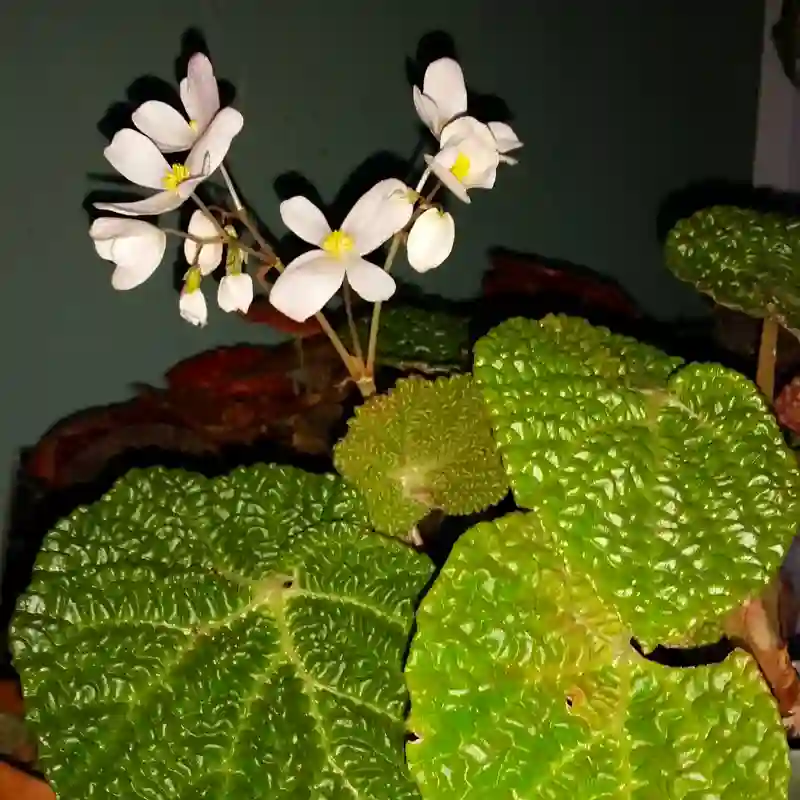
Welcome to the captivating world of Begonias! Among the thousands of species, one truly stands out for its extraordinary foliage and relatively forgiving nature: Begonia sizemoreae. Native to the lush, humid climes of northern Vietnam, this rhizomatous begonia, named after its discoverer Mary Sizemore, has become a prized possession for houseplant enthusiasts worldwide. Its distinctive, deeply textured leaves, adorned with a mesmerizing blend of green and purple hues and covered in soft, tactile white hairs, give it an almost whimsical, otherworldly appeal. Unlike some of its more flamboyant cousins that boast vibrant blooms, Begonia sizemoreae dedicates its energy to producing foliage that is a work of art in itself, offering a continuous display of natural elegance.
Growing up to 16 inches (40 cm) tall with leaves ranging from 5 to 12 centimeters wide (though considerably larger with optimal humidity), this plant is a testament to nature’s intricate beauty. Its leaves aren’t just colorful; they are bullate (bubbly or puckered) and rumpled, further enhanced by impressive, bristle-like hairs, often over 2cm long, densely coating both the surface and the stems. The underside of the leaves and the stems themselves often display a striking, intense red, adding another layer of visual interest. While its primary allure is its magnificent foliage, Begonia sizemoreae also produces small, delicate pink or white flowers, typically throughout the year, adding a subtle grace to its robust presence.
A Gardener’s Time-Lapse: My Year with Begonia Sizemoreae
(Month 1: The New Beginning – From Cutting to Rooting)
It all started on a crisp spring morning. I held a single, healthy Begonia sizemoreae leaf, detached from a friend’s mature plant, its fuzzy surface tickling my palm. This wasn’t my first rodeo with begonias, but the allure of propagating this particular species filled me with a quiet excitement. I prepared a small pot with a mix I’d found great success with for begonias – a loose, airy blend of peat, perlite, and a touch of orchid bark for extra drainage. After a quick dip of the leaf stem in rooting hormone (a little insurance policy, though many swear it’s not strictly necessary for this resilient plant), I gently inserted it into the moist soil. A clear plastic bag went over the pot, creating a miniature humid haven, reminiscent of its Vietnamese homeland. I placed it on a shelf, bathed in bright, indirect light, and began my “time-lapse” observation. The first few weeks were a test of patience, a silent vigil. I checked the moisture daily, ensuring the soil remained consistently damp but never soggy, and occasionally lifted the bag for a brief breath of fresh air. By the end of the month, a subtle resistance met my gentle tug, a whisper of new roots forming beneath the surface. Success! The journey had truly begun.
Begonia Sizemoreae vs. Its Cousins: A Comparative Look
Understanding Begonia sizemoreae often benefits from comparing it to other popular begonia types. While the begonia family is vast and varied, Begonia sizemoreae holds its own unique traits:
- Begonia Sizemoreae vs. Begonia Rex: Often admired for their similarly ornate foliage, Rex Begonias are known for their striking patterns and vibrant, often metallic, colors. However, Begonia sizemoreae tends to be more tolerant of a wider range of humidity levels compared to the often very demanding Rex Begonias, which can easily suffer if humidity dips too low. While both are foliage stars, Begonia sizemoreae has a more consistent texture and distinct hairiness that sets it apart from the smoother, often iridescent leaves of many Rex varieties.
- Begonia Sizemoreae vs. Angel Wing Begonia (e.g., Begonia coccinea): Angel Wing Begonias are characterized by their upright, cane-like stems and distinctively shaped leaves, often with silvery spots and clusters of pendulous flowers. In contrast, Begonia sizemoreae is a rhizomatous begonia, growing from underground rhizomes, and typically exhibits a more spreading or bushy growth habit rather than an upright one. While Angel Wing varieties are celebrated for both their foliage and their prolific flowering, Begonia sizemoreae‘s primary appeal remains its unique, fuzzy leaves, with its flowers playing a secondary, though charming, role.
- Begonia Sizemoreae vs. Begonia Maculata: Also known as the Polka Dot Begonia, Begonia maculata is a cane-type begonia famous for its olive-green leaves adorned with contrasting white or silver polka dots on top and a reddish underside. While both B. sizemoreae and B. maculata showcase impressive foliage and reddish undersides, B. sizemoreae‘s appeal lies in its tactile, hairy, and rumpled texture, a stark contrast to the smooth, spotted leaves of B. maculata. Their growth habits also differ significantly, with B. maculata growing tall and slender like a cane, and B. sizemoreae having a more compact, rhizomatous form.
- Begonia Sizemoreae vs. Begonia Boliviensis: Begonia boliviensis is renowned for its cascades of vibrant, often orange or red, bell-shaped flowers, making it a popular choice for hanging baskets. While Begonia sizemoreae does flower, its small pink or white blooms are not its main feature. Its energy is clearly invested in its remarkable, textured foliage, setting it apart from the floriferous nature of B. boliviensis.
Each begonia species has its own charm, but Begonia sizemoreae truly carves out a niche with its unparalleled textural appeal and striking leaf coloration.
Cultivating Charm: Optimal Care for Begonia Sizemoreae
Despite its exotic appearance, Begonia sizemoreae is surprisingly low-maintenance once its basic needs are met. Providing the right environment will ensure a thriving, bushy plant that continues to captivate.
- Light Requirements: The Gentle Glow
- Begonia sizemoreae thrives in bright, indirect light. Think of its natural habitat—under the canopy of larger plants in a tropical forest, receiving dappled sunlight. An east or west-facing window is often ideal, providing gentle morning or afternoon sun without the harsh intensity of direct midday rays.
- Avoid direct sunlight, especially the scorching afternoon sun, as this can easily scorch its delicate leaves, turning them crispy brown.
- While it can tolerate some shade, too little light will lead to leggy growth, where the stems stretch out in search of illumination, and the vibrant leaf coloration may fade, turning pale or yellow. Rotate your plant periodically to ensure even light exposure and symmetrical growth.
- Watering Wisdom: Finding the Balance
- This is often the most critical aspect of begonia care. Begonia sizemoreae prefers its soil to be consistently moist but never waterlogged. The key is to avoid both extremes: completely dry soil or soggy, anaerobic conditions that lead to root rot.
- A good rule of thumb is to water when the top 1 to 2 inches (2.5-5 cm) of the soil feel dry to the touch, or when about half of the soil ball has dried out. You can test this by sticking your finger into the soil or using a moisture meter. When in doubt, it’s always better to err on the side of slightly dry than overly wet.
- Use room-temperature water. Cold water can shock the roots, stressing the plant.
- Water at the base of the plant or from the bottom (e.g., by placing the pot in a tray of water for 15-20 minutes). This helps prevent water from sitting on the leaves, which can contribute to fungal diseases like powdery mildew or botrytis blight.
- Reduce watering significantly in winter when the plant’s growth slows down.
- Humidity: The Breath of the Tropics
- Given its Vietnamese origins, Begonia sizemoreae absolutely loves high humidity. While it can tolerate average household humidity (45-60%), it truly flourishes and produces larger, more magnificent leaves when humidity levels are consistently higher, ideally between 60% and 90%.
- If your indoor air is dry, especially during winter with heating systems on, consider increasing humidity around your plant. Options include:
- Using a pebble tray filled with water (ensure the pot is on pebbles, not in water).
- Grouping plants together to create a microclimate.
- Using a room humidifier. This is often the most effective method.
- Avoid placing the plant too close to radiators or heating vents, as these create extremely dry pockets of air that will cause leaf edges to crisp and curl.
- Temperature: Warm and Stable
- Begonia sizemoreae thrives in typical indoor temperatures. The ideal range is between 18-24°C (65-75°F). It can tolerate a broader range of 5-30°C (41-86°F) but consistent temperatures are best.
- Avoid sudden temperature fluctuations and cold drafts, as these can stress the plant, leading to wilting and overall decline. Keep it away from frequently opened doors or leaky windows in colder months.
- If you live in a mild climate, you can move your Begonia sizemoreae outdoors during summer, ensuring it is in a shaded area and gradually acclimated to the outdoor conditions. Always bring it back inside before temperatures drop below 12-15°C (54-59°F).
- Soil and Potting: The Foundation of Growth
- A well-draining, aerated potting mix rich in organic matter is crucial for Begonia sizemoreae. This type of soil allows for good air circulation around the roots while retaining adequate moisture.
- Ideal mixes often include:
- Peat moss or coco coir (for moisture retention)
- Perlite or pumice (for aeration and drainage)
- Orchid bark or coarse sand (for drainage and structure)
- Compost or worm castings (for organic matter and nutrients)
- Ensure the pot has ample drainage holes to prevent water from sitting at the bottom and causing root rot.
- Begonia sizemoreae actually prefers to be slightly root-bound, so avoid over-potting. Repot only when the plant has significantly outgrown its current container, typically every two to three years, or when roots are clearly crowding the pot. When repotting, only move up one pot size.
- Fertilization: Nourishing the Foliage
- During the active growing season (spring and summer), Begonia sizemoreae benefits from regular feeding.
- Use a balanced liquid fertilizer, diluted to half-strength, every 2 to 4 weeks or every four watering sessions.
- For plants grown primarily for their stunning foliage, a fertilizer slightly higher in nitrogen can promote lush leaf growth.
- Avoid over-fertilizing, as this can lead to nutrient burn and damage the roots.
- Do not fertilize young seedlings or recently propagated cuttings.
- Reduce or stop fertilization during autumn and winter when the plant’s growth naturally slows down.
- Pruning: Shaping and Encouraging Bushiness
- Begonia sizemoreae can sometimes become leggy if it doesn’t receive enough light or if left untended.
- Pinching off the growing tips will encourage the plant to branch out, resulting in a bushier, more compact specimen. This also provides cuttings for propagation!
- Regularly remove any dead, yellowing, or diseased leaves to maintain plant health and improve air circulation. Always use clean, sharp pruning shears.
A Gardener’s Time-Lapse: The Maturing Plant
(Months 2-6: The Growth Spurt – From Tiny Shoot to Established Plant)
The tiny rooted leaf cutting of Begonia sizemoreae rapidly transformed. Within two months, small new leaves began to unfurl, each bearing the characteristic fuzzy texture and emerging purplish-green hues. I moved it to a slightly larger pot, making sure not to disturb the fragile new root system too much. The plastic bag remained its constant companion, ensuring the high humidity that fueled its impressive growth. I learned to distinguish its needs by observing its leaves: a slight crisping at the edges hinted at low humidity, while a droopiness after watering indicated too much moisture.
By the fourth month, the plant had developed several substantial leaves, each larger than the last. The fuzzy hairs were more prominent, catching the light in a delightful way. I started a gentle feeding regimen with a diluted balanced fertilizer, giving it a boost every few weeks. This period was all about steady, consistent growth. The Begonia sizemoreae wasn’t a fast-growing monster, but its progress was undeniable, a testament to its resilience and my newfound understanding of its preferences. The rhizomes, though hidden, were clearly doing their work, pushing up new growth points.
Propagating the Charm: Expanding Your Begonia Sizemoreae Collection
Begonia sizemoreae is relatively easy to propagate, allowing you to share its unique beauty with friends or simply expand your own collection. The most common and successful methods are through leaf and stem cuttings.
- Leaf Cuttings (My Favorite Method for Sizemoreae):
- Select a healthy leaf: Choose a mature, firm leaf with at least 1-2 inches of stem attached. Avoid very old or very new leaves.
- Prepare the cutting: You can optionally dip the cut end of the stem in rooting hormone to encourage faster root development.
- Planting: Fill a small pot or propagation tray with a moist, well-draining potting mix (the same as for mature plants). Make a small hole and gently insert the leaf stem, ensuring the base of the leaf blade is just above the soil surface.
- Create humidity: This is crucial. Cover the pot with a clear plastic bag or place it in a propagation dome. Ensure the plastic does not touch the leaf to prevent rot.
- Placement and care: Place in bright, indirect light. Keep the soil consistently moist (but not waterlogged) and maintain high humidity.
- Patience: Roots typically form within a few weeks, and new plantlets will emerge from the base of the leaf or along the main vein within 1-3 months. Once new growth is established and robust, you can gradually acclimate the plantlet to ambient humidity.
- Stem Cuttings:
- Take a cutting: Choose a healthy stem segment that is 4 to 6 inches (10-15 cm) long, making the cut just below a node (where a leaf attaches). Ensure the cutting has at least 2-3 leaves at the top.
- Prepare: Remove any lower leaves that would be submerged in soil. Rooting hormone is optional but can speed things up.
- Planting: Plant the cutting in a moist, well-draining potting mix, ensuring at least one node is buried.
- Humidity: As with leaf cuttings, creating a humid environment with a plastic bag or dome is highly beneficial.
- Care: Place in bright, indirect light and keep the soil consistently moist. Roots should form within a few weeks.
- Seed Propagation (More Challenging):
- Propagating Begonia sizemoreae from seed is possible but more time-consuming and requires more precise conditions. Begonia seeds are tiny and need light to germinate.
- Timing: Start seeds indoors about three months before your average last frost date if you want plants ready for outdoor placement (in suitable climates) by late spring.
- Method: Fill a seed starting tray with damp, sterile seed starting mix. Lightly press the tiny seeds onto the surface; do not cover them, as they require light.
- Conditions: Place the tray in a location with indirect light and maintain a consistent temperature of 21-24°C (70-75°F). A heating mat can be very helpful. Keep the soil consistently moist using a fine mist sprayer.
- Germination: Seedlings typically emerge in about three weeks.
- Post-germination: Continue providing bright, indirect light (or under fluorescent grow lights, turning them off at night). When seedlings have two true leaves, thin them out to provide adequate space. After about a month of growth, you can start applying a very diluted fertilizer. Transplant larger seedlings into individual pots after the last frost, ensuring they are hardened off if moving outdoors.
- Water Propagation:
- While possible, rooting Begonia sizemoreae cuttings in water generally takes longer and can result in weaker roots that struggle to transition to soil. If you choose this method, change the water regularly (every few days) to prevent bacterial growth. Once roots are about an inch long, transfer to soil.
Common Challenges and How to Overcome Them
Even with the best intentions, Begonia sizemoreae can sometimes encounter issues. Being able to identify and address these problems promptly is key to a thriving plant.
- Brown Spots on Leaves:
- Cause: Most commonly, overwatering or poor drainage leading to root rot. Waterlogged soil suffocates the roots.
- Solution: Allow the topsoil to dry out more between waterings. Ensure your pot has excellent drainage holes and your soil mix is well-aerated. If root rot is severe, you may need to repot into fresh, dry soil after trimming any mushy, rotten roots.
- Cause: Can also be due to cold water shocking the roots or water sitting on leaves for too long, leading to fungal spots.
- Solution: Use room-temperature water and water at the base of the plant.
- Leaf Curl:
- Cause: Often a sign of low humidity or underwatering.
- Solution: Increase humidity around the plant (humidifier, pebble tray). Check soil moisture and adjust watering schedule.
- Cause: Can also be a symptom of pest infestation, particularly spider mites.
- Solution: Inspect the undersides of leaves carefully.
- Leggy Growth / Pale Leaves:
- Cause: Insufficient light. The plant is stretching towards a light source.
- Solution: Move the plant to a brighter location with more indirect light. Consider using a grow light if natural light is inadequate. Pruning leggy stems will encourage bushier growth.
- Pests:
- Begonia sizemoreae can be susceptible to common houseplant pests.
- Aphids, Mealybugs (cottony and limpet), Spider Mites, Thrips, Green Looper Caterpillars, Sciarid Flies (fungus gnats), and Cyclamen Mites.
- Symptoms: Sticky residue (honeydew), tiny webbing (spider mites), fuzzy white spots (mealybugs), chewed leaves, distorted new growth, tiny black flies hovering around soil (fungus gnats). Vine weevils can notch leaf edges (adults) or damage roots (larvae).
- Solution:
- Isolation: Isolate infected plants immediately to prevent spread.
- Manual Removal: For visible pests, gently wipe them off with a cotton swab dipped in rubbing alcohol.
- Pesticidal Soap/Neem Oil: Apply insecticidal soap or neem oil solutions, ensuring thorough coverage of all leaf surfaces, especially undersides. Repeat applications are often necessary.
- Vine Weevils: Inspect root ball, especially when repotting. Remove any larvae.
- Good Air Circulation: Helps deter some pests like mites.
- Diseases (Fungal and Bacterial):
- Powdery Mildew: White, powdery spots on leaves and stems. Often appears in high humidity coupled with cool temperatures and poor air circulation.
- Solution: Improve air circulation (ensure adequate spacing between plants), avoid wetting foliage when watering, remove affected leaves. Fungicides can be used in severe cases.
- Botrytis Blight (Gray Mold): Grayish, fuzzy mold on flowers, leaves, or stems, often starting on older or damaged tissues. Associated with high humidity, poor ventilation, and wet conditions.
- Solution: Improve air circulation, remove spent flowers and dead leaves promptly, avoid overwatering, and ensure proper hygiene (disinfect tools).
- Leaf Spots: Circular to irregular tan/brown spots.
- Solution: Avoid overhead watering. Remove affected leaves.
- Root Rots: General wilting, decline, and collapse of the plant, often accompanied by browning/rotting of roots and crown.
- Cause: Almost always overwatering and poorly draining soil.
- Solution: Preventative care (proper watering, good drainage) is key. Once severe, recovery is difficult.
- Powdery Mildew: White, powdery spots on leaves and stems. Often appears in high humidity coupled with cool temperatures and poor air circulation.
- Viral Infections:
- Begonias can be affected by various viruses (e.g., Begonia Flower Break Virus, Impatiens Necrotic Spot Virus).
- Symptoms: Stunted growth, distorted leaves, unusual variegation, ring spots, mosaic patterns.
- Solution: Unfortunately, there is no cure for viral infections. The best course of action is to immediately remove and discard infected plants to prevent the spread to other healthy begonias. Disinfect tools after handling infected plants.
A Gardener’s Time-Lapse: The Flowering and Beyond
(Months 7-12: Peak Beauty and Dormancy – Flowers and Winter Prep)
As summer warmed, my Begonia sizemoreae continued to expand its canopy of fuzzy leaves. Then, a delightful surprise: tiny buds appeared amidst the foliage. Soon, delicate pinkish-white flowers unfurled, small and unassuming but adding a touch of ethereal beauty to the already stunning plant. While not as showy as some begonias, these blooms were a quiet celebration of its health and vitality. I continued the diligent watering and feeding, ensuring it received ample humidity during the hotter months.
As autumn approached, the plant’s growth slowed perceptibly. I reduced my watering frequency, allowing the soil to dry out a bit more between sessions, and stopped fertilizing altogether. This was its natural signal to prepare for a period of rest. I ensured it remained away from cold drafts as temperatures dipped. The leaves maintained their vibrant color, but the frantic pace of summer growth gave way to a serene, steady presence. By winter, it was a magnificent specimen, a lush green and purple jewel in my indoor garden, ready to endure the cooler, drier months before the cycle of vigorous growth would begin anew in spring. The “time-lapse” had shown me not just a plant growing, but a living, breathing companion responding to its environment and my care.
Longevity and Display: Making Your Begonia Sizemoreae Shine
Begonia sizemoreae is a tender perennial, meaning it can live for many years indoors with proper care. Potted begonias can typically thrive for two to three years before needing a significant repotting or rejuvenation. Its compact yet spreading growth habit makes it an excellent choice for a variety of display options:
- Container Planting: This is its most common and recommended form of cultivation. Choose a decorative pot with excellent drainage to showcase its unique foliage.
- Terrariums or Wardian Cases: For those struggling with ambient humidity, Begonia sizemoreae is an exceptional candidate for terrariums or enclosed plant cases. The enclosed environment provides the high, stable humidity it craves, allowing its leaves to reach their full potential size and vibrancy. Ensure good air circulation within the terrarium to prevent fungal issues.
- Mixed Plant Displays: Its distinctive texture and color make it a fantastic companion plant in a mixed container or indoor garden arrangement, providing contrast to smoother-leaved or flowering plants.
The tactile nature of Begonia sizemoreae makes it a plant that invites interaction. Its fuzzy leaves are a delight to touch, adding a multi-sensory dimension to your indoor garden. Whether you are a seasoned collector or a budding enthusiast, this captivating plant from Vietnam promises to be a rewarding and beautiful addition to your botanical sanctuary. Its journey, much like a time-lapse film, reveals the subtle yet profound transformations that occur with consistent care and a little bit of horticultural love.

If i die, water my plants!