1. Introduction: Unveiling the Exquisite Monstera Borsigiana Albo Variegated
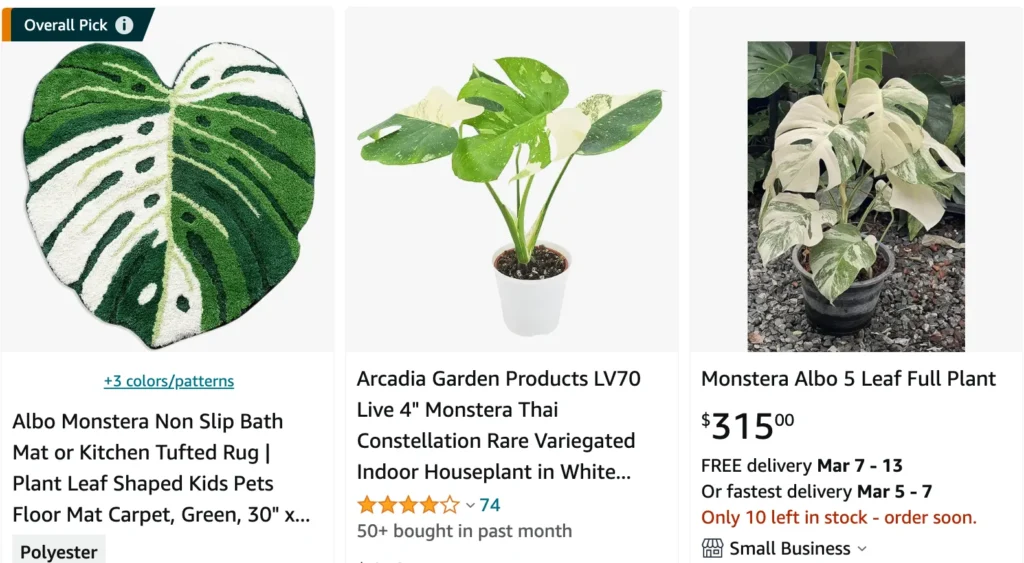
The Monstera Borsigiana Albo Variegated is one of the most sought-after houseplants in the botanical world, renowned for its deep green leaves dramatically splashed with pure white patches, creating a stunning visual contrast. “Albo Variegated” signifies “white variegation,” referring to the presence of non-chlorophyllous areas that result in impressive white spots, splashes, or even half-leaves.
While sharing the genus name (Monstera) with other popular species like Monstera deliciosa, Monstera borsigiana is a smaller, faster-growing subspecies with a more vining habit rather than an upright one. The fenestrations (holes) and splits in Borsigiana leaves typically appear earlier and have a more defined shape compared to mature deliciosa. The combination of Borsigiana‘s morphological characteristics and the variegated gene creates a living work of art, turning each leaf into a unique blend of green and white.
Owning and caring for a Monstera Borsigiana Albo Variegated not only adds unique beauty to your living space but also serves as a point of pride for any plant enthusiast. However, due to its variegated nature, the plant requires more specialized care to maintain its beauty and health.
2. Optimal Growing Conditions for Your Monstera Borsigiana Albo Variegated
To ensure your Monstera Borsigiana Albo Variegated thrives and maintains its beautiful variegation, providing ideal environmental conditions is crucial.
| Problem | Symptoms | Root Cause | Solution |
|---|---|---|---|
| Loss of Variegation/Less Variegation | New leaves grow with little or no white, leaves are entirely green, reduced contrast | Insufficient bright indirect light, genetic reversion to all-green form, nutrient imbalance | Provide ample bright, indirect light; prune off all-green sections to encourage variegation; ensure balanced fertilization |
| Brown/Crispy White Patches | White areas on leaves turn brown, become crispy, scorched | Too much direct sunlight, extremely low humidity, insufficient watering | Relocate to indirect light; increase ambient humidity (humidifier, pebble tray); ensure consistent watering |
| Root Rot | Yellowing leaves (especially lower leaves), mushy stem, stunted growth, foul odor from soil | Constantly wet soil, poor drainage, too frequent watering | Allow soil to dry partially between waterings; ensure excellent drainage; repot with fresh, well-draining mix if severe |
| Underwatering | Wilting leaves, crispy brown edges/tips, dull foliage, droopiness | Insufficient water, soil too dry for prolonged periods | Increase watering frequency; maintain consistent soil moisture (not soggy); ensure thorough watering when dry |
| Pest Infestation | Visible pests (spider mites, mealybugs, scale), sticky residue, distorted growth, small holes | Common houseplant pests | Treat with insecticidal soap, neem oil; increase humidity; regularly inspect plants; isolate affected plants |
| Light Issues | Leggy growth, faded color, small leaves (too little light); scorched spots, browning (too much direct sun) | Insufficient or excessive light exposure | Relocate to bright, indirect light; use sheer curtains for diffusion; supplement with grow lights if needed |
| Nutrient Deficiency | Overall pale green or yellowing of leaves (chlorosis), stunted growth, weak stems | Lack of essential nutrients in the soil, infrequent fertilization | Fertilize monthly during growing season with a balanced liquid fertilizer; ensure proper soil pH |
Light Requirements: The Key to Maintaining Variegation
Monstera Borsigiana Albo Variegated thrives in bright, indirect light. It needs approximately 6-10 hours of indirect light daily. Placing the plant near an east, south, or west-facing window is ideal, ensuring it receives ample ambient light without harsh direct sun exposure. Direct, intense sunlight will easily scorch the sensitive white patches on the leaves, causing irreversible brown burns. If strong light is present, use sheer curtains to diffuse the rays.
Conversely, low light conditions will result in slower growth, smaller leaves, and, most importantly, can cause the white sections to diminish or disappear entirely (revert), stripping the plant of its unique variegated beauty. Sufficient light is necessary for the green parts of the leaves to photosynthesize and provide energy for the white parts, which lack the ability to photosynthesize.
Watering: Balancing Moisture for Sensitive Roots
Proper watering is vital for the Monstera Borsigiana Albo Variegated. Water your plant deeply when the top 2-3 inches of the soil feel dry to the touch. It is absolutely essential to allow any excess water to drain completely from the pot’s drainage holes. Stagnant water around the roots is a primary cause of root rot, a common and often fatal issue for Monsteras, especially variegated types due to the less tolerant white parts of the leaves.
During the cooler winter months, reduce watering frequency as the plant’s metabolic rate slows down. Using rainwater or filtered water at room temperature is advisable, as hard tap water can introduce mineral buildup. Ensure the plant is never waterlogged but also avoid letting the soil dry out completely for too long.
Humidity: Ideal Tropical Environment
As a tropical plant, the Monstera Borsigiana Albo Variegated loves high humidity, ideally maintaining levels between 60-80% for optimal growth. In typical drier indoor environments, several methods can be employed to replicate its natural habitat. Using a room humidifier or grouping plants together to create a humid microclimate are effective strategies to boost ambient moisture.
While misting can offer temporary relief, daily misting can lead to extreme humidity fluctuations that stress the plant and may encourage fungal or bacterial growth on the leaves. Therefore, consistent and stable humidity provided by humidifiers or plant grouping is generally preferred. Brown tips or edges on the leaves are often a clear indicator of insufficient humidity.
Temperature: Stable Climate is Crucial
Monstera Borsigiana Albo Variegated prefers consistently warm temperatures. Ideal indoor temperatures range from 18-27°C (65-80°F). It is critical to protect the plant from temperatures falling below 10-15°C (50-59°F), as colder conditions can negatively impact its growth and cause significant stress. Sudden temperature fluctuations or drafts, such as those near open windows, air vents, or heaters, should also be avoided, as they can lead to leaf damage and overall plant decline. Maintaining a stable, warm environment is key to mimicking its native tropical conditions and promoting vigorous, healthy development.
Soil: Well-Draining Mix is Essential
A well-draining, airy potting mix is paramount for the Monstera Borsigiana Albo Variegated to thrive and to prevent the common issue of root rot. Recommended components for such a mix typically include organic matter, perlite, orchid bark, coco coir, and horticultural charcoal. A commercial aroid mix or a custom blend of potting soil, perlite, and orchid bark is often effective. The careful selection of soil components ensures a balance of moisture retention and aeration, providing the ideal environment for robust root development and overall plant health.
Placement & Support: Encouraging Growth and Mature Leaves
The Monstera Borsigiana Albo Variegated is a natural climbing vine, and providing a sturdy vertical support structure is highly recommended. Using a moss pole, totem, or trellis encourages its natural climbing habit and is crucial for the plant to develop its larger, more deeply fenestrated, and mature leaves. Without support, the plant may remain smaller and its leaves may not achieve their full characteristic form.
Choose a location that receives consistent bright, indirect light and offers stable temperatures. As the plant grows, gently guide its aerial roots onto the support, and these roots will naturally adhere, allowing the plant to reach its full potential in terms of size and the development of its unique, striking foliage.
3. Essential Care Practices for a Thriving Monstera Albo Variegated
Fertilization: Fueling Robust Development
To support vigorous growth, Monstera Borsigiana Albo Variegated benefits from regular fertilization during its active growing season, which typically spans spring and summer. A balanced liquid fertilizer, diluted to half the recommended strength, can be applied monthly. Fertilization should be withheld entirely during the winter months when the plant’s growth naturally slows, as excess nutrients during dormancy can lead to root burn. Importantly, avoid fertilizing the plant for the first 6-8 weeks immediately following repotting, allowing the fragile, newly adjusting roots to recover without the risk of fertilizer burn.
Pruning & Cleaning: Maintaining Health and Aesthetics
Pruning is an essential aspect of maintaining the health and aesthetic appeal of your Monstera Borsigiana Albo Variegated. Any leaves that appear yellowed, damaged, or diseased should be promptly removed using clean, sharp scissors or pruning shears. When making cuts, do so at the base of the stem or just above a node, at a 45-degree angle. This technique promotes new growth from the node and prevents water from pooling on the cut surface. While pruning can be performed during the active growing season for shaping, damaged or diseased leaves should be removed immediately, regardless of the time of year.
Regular cleaning of the leaves is a simple yet vital maintenance task. Dust accumulation on the foliage can block the plant’s pores, reducing its ability to photosynthesize and absorb light efficiently. Leaves should be regularly wiped with a damp, clean cloth to ensure maximum light absorption and overall plant health. This practice also helps in reducing the attraction of pests.
Routine Maintenance: Staying Vigilant for Optimal Plant Health
Periodically rotate your Monstera Borsigiana Albo Variegated to ensure all sides receive adequate and even light exposure, promoting uniform growth. Regularly check the leaves (both top and underside) and the soil for any early signs of pests, diseases, or nutrient deficiencies. Early detection and intervention are critical for maintaining a healthy and thriving plant.
4. Propagating Your Monstera Borsigiana Albo Variegated: Expanding Your Collection
Propagating Monstera Borsigiana Albo Variegated is a rewarding process, allowing you to create new plants from stem cuttings.
Key Requirement for Propagation: A fundamental principle for propagating Monsteras is the absolute necessity of including a node in the cutting. A node is the specific point on the stem where a leaf develops or has developed, and crucially, it contains the axillary bud from which new roots and stems originate. Cuttings that lack a node will not produce new growth and will ultimately rot.
Step-by-step guide for successful stem cutting propagation:
- Select a Healthy Stem: Choose a healthy, vigorous stem that possesses at least one node and ideally one or two leaves. Try to select a section with both green and variegated parts to ensure photosynthetic capability and maintain the variegation.
- Make the Cut: Using sterilized, sharp scissors or a knife, make a clean, smooth cut approximately 1-2 inches below the chosen node, along the internode.
- Prepare the Cutting: Remove any lower leaves that are close to the node, as these can rot if submerged in water or buried in soil. Optionally, a rooting hormone can be applied to the node to stimulate root development.
- Choose Your Rooting Medium:
- Water Propagation: Place the cutting in a clean container filled with fresh water, ensuring that the node is fully submerged but the leaves remain above the waterline. Change the water regularly, ideally every 3-10 days, to maintain freshness and prevent bacterial growth.
- Soil or Sphagnum Moss Propagation: Use a well-draining soil mix or moist sphagnum moss. Moisten it thoroughly before inserting the cutting. Create a small hole before placing the cutting to avoid damaging the delicate stem.
- Provide Optimal Conditions: Place cuttings in a warm, bright location that receives indirect light, and maintain high humidity levels to encourage root development.
- Potting Up: Once a robust root system has developed, typically after 2-6 weeks with roots reaching 2-4 inches in length, the cutting is ready to be transplanted into a larger pot with a suitable soil mix for long-term growth.
5. Repotting Your Monstera Borsigiana Albo Variegated: Signs, Timing, and Techniques
When to Repot: Recognizing the Cues from Your Plant
Repotting your Monstera Borsigiana Albo Variegated is typically recommended every 1-2 years, ideally in early spring, as the plant is most receptive to changes during this period of active growth. Several clear indicators signal that a Monstera has outgrown its current container and requires repotting. These signs include roots growing out of the drainage holes or circling tightly within the pot, indicating the plant is “pot-bound.” The soil drying out rapidly, or stunted growth despite the plant generally being a fast grower, can also point to cramped roots struggling to absorb sufficient water and nutrients. Physical signs like the plant tipping over easily, or cracks appearing in the pot from overgrown roots, are also common. Furthermore, yellowing leaves may indicate that cramped roots are struggling to access moisture and nutrients. A darker soil with a foul odor suggests root rot, necessitating immediate repotting. It is best to avoid repotting in winter, as the plant is in its dormant phase and less resilient to disturbance.
Best Time and Frequency for Repotting
The ideal time to repot your Monstera Borsigiana Albo Variegated is during its active growing season, typically in early spring or early summer. This allows the plant to quickly recover from the stress of repotting and readily establish new roots in its refreshed environment. While it’s possible to repot at other times if absolutely necessary, avoid repotting during the winter months when the plant is less active and more susceptible to shock.
Choosing the Right Pot and Potting Mix
Pot Selection: Size and Material Matters
When selecting a new pot for your Monstera Borsigiana Albo Variegated, it’s crucial not to dramatically increase the pot size. A pot with a diameter only 1-2 inches (2.5-5 cm) larger than the current one is ideal. Opting for a pot that is too large can retain excessive moisture, significantly increasing the risk of root rot. Ensuring the pot has excellent drainage holes is paramount to prevent waterlogging.
Regarding materials, terracotta (clay) pots are excellent choices due to their porous nature, which allows for quicker moisture evaporation and provides better aeration for the roots. However, this porosity also means they may require more frequent watering. Plastic pots, on the other hand, retain moisture more effectively and are lighter, which can be advantageous for those who tend to forget to water. Regardless of the material chosen, prioritize pots with ample drainage holes and consider a saucer to collect excess water.
Potting Mix: The Perfect Recipe for Healthy Roots
As previously mentioned, a well-draining and airy potting mix is key for the Monstera Borsigiana Albo Variegated to thrive and to prevent the common issue of root rot. An ideal formula typically includes the following components:
- Potting Soil: Provides the fundamental base and essential nutrients.
- Perlite: Enhances drainage and aeration, preventing soil compaction.
- Orchid Bark: Improves air circulation and drainage, while also retaining a moderate amount of moisture.
- Coco Coir: Offers good moisture retention without becoming waterlogged, and contributes to aeration.
- Horticultural Charcoal: Helps absorb impurities and improves soil aeration.
The mixing ratio can be flexible, but a popular and effective formula is: 60% high-quality potting soil, 20% perlite, and 20% orchid bark or coco coir. You can also purchase pre-mixed aroid mixes, which are often formulated to meet the specific needs of Monsteras. Always ensure the new potting mix is moist but not soggy before repotting your plant.
Repotting Process: Step-by-Step Guide
Repotting your Monstera Borsigiana Albo Variegated is a straightforward process when done carefully. Follow these steps to minimize stress on your plant:
- Gather Your Supplies: Before you begin, have your new pot (1-2 inches larger), fresh, well-draining potting mix, clean pruning shears or scissors, and a watering can ready.
- Prepare the New Pot: Place a small layer of your prepared potting mix at the bottom of the new pot. Avoid using gravel or rocks at the bottom, as this can actually impede drainage rather than improve it.
- Remove the Plant from its Old Pot: Gently tip the current pot on its side and carefully slide the plant out. If the plant is stuck, you may need to gently squeeze the sides of the pot (for plastic) or run a knife around the inner edge. Avoid pulling the plant directly by its stem.
- Inspect and Untangle Roots: Once out of the pot, gently loosen any circling or tightly bound roots. You can use your fingers or a small, clean tool to gently tease them apart. Trim away any mushy, black, or foul-smelling roots, as these are signs of root rot. Healthy roots will be firm and white or light tan.
- Place the Plant in the New Pot: Center the plant in the new pot, ensuring the base of the stem is at the same level as it was in the old pot, or slightly higher if the plant has grown leggy. Add more potting mix around the roots, gently tamping it down to remove large air pockets. Leave about an inch of space from the rim of the pot to allow for watering.
- Water Thoroughly: After repotting, water the plant deeply until water drains from the bottom of the pot. This helps settle the soil around the roots. Discard any excess water from the saucer.
- Post-Repotting Care: Place your newly repotted Monstera in a location with bright, indirect light. Avoid fertilizing for at least 6-8 weeks to allow the roots to recover and adjust. The plant may experience a brief period of “transplant shock,” showing slight wilting or drooping, but it should recover within a few days to a couple of weeks with proper care.
6. Common Problems and Troubleshooting: Diagnosing and Curing Your Monstera
While the Monstera Borsigiana Albo Variegated is generally hardy, it can encounter common issues. Refer to the troubleshooting table at the beginning of this guide for a quick reference on symptoms, root causes, and solutions for:
- Loss of Variegation/Less Variegation: Often due to immaturity or insufficient light.
- Overwatering/Underwatering: The most common issues, directly impacting leaf health and root integrity.
- Pest Infestation: Early detection is key for effective treatment.
- Light Issues: From scorching to leggy growth, light is crucial.
- Nutrient Deficiency: Indicated by pale or yellowing leaves.
- Brown Edges/Tips: Usually a sign of low humidity or inconsistent watering.
Regular observation of your plant is the best defense against these problems. Early detection and prompt action can often prevent minor issues from escalating into major health concerns for your Monstera.
7. Conclusion: Enjoying Your Thriving Monstera Borsigiana Albo Variegated
Cultivating a Monstera Borsigiana Albo Variegated is a rewarding endeavor that brings unique tropical beauty to any indoor space. By understanding and consistently providing for its specific needs—bright indirect light, proper watering, high humidity, warm temperatures, and well-draining soil—you can ensure your plant flourishes, developing its magnificent, strikingly variegated leaves. With a bit of patience and attention, your Monstera will not only thrive but also become a stunning focal point, continually enhancing your home or office environment. Enjoy the journey of nurturing this beautiful and captivating plant!

If i die, water my plants!