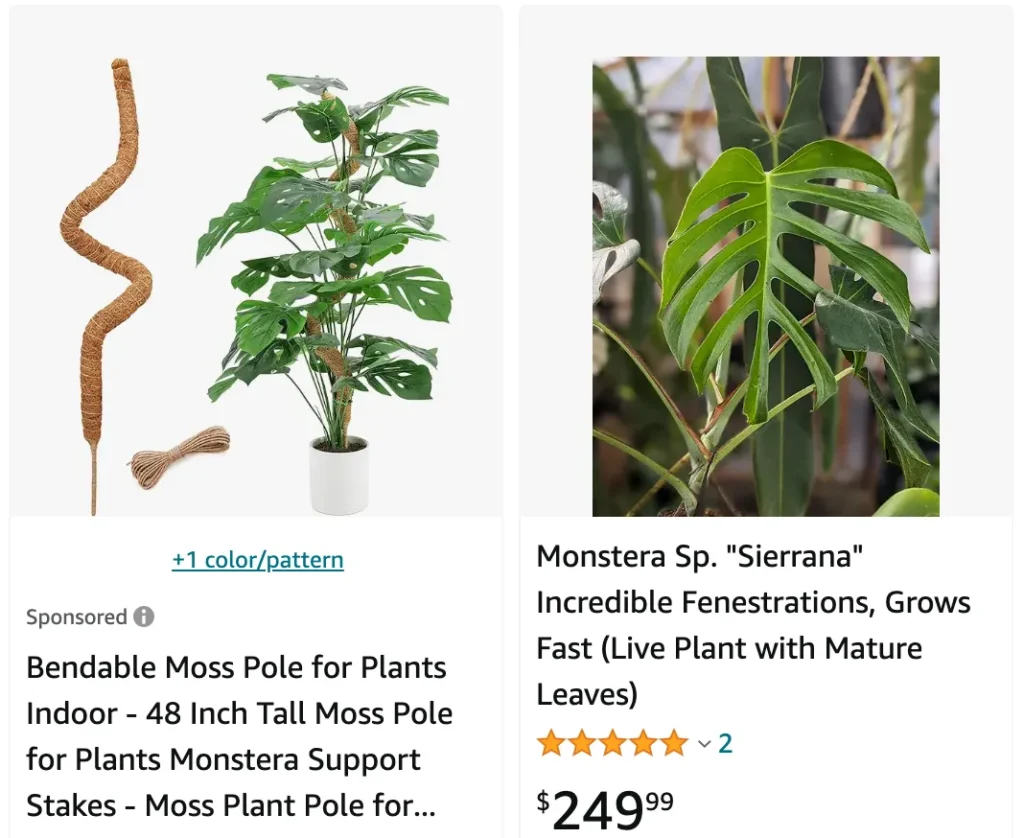
1. Introduction: Discovering the Allure of Monstera Sierrana
The Monstera Sierrana stands as a captivating and highly sought-after botanical specimen, scientifically classified as Monstera deliciosa var. sierrana. This classification is fundamental, as it establishes its direct lineage to the widely recognized
Monstera deliciosa, implying shared foundational care principles while highlighting its unique characteristics. Originating from Mexico, the plant’s name, “sierrana,” is believed to reference the Sierra Mazateca region, where this distinct variant was first documented. This geographical background offers crucial context regarding its natural habitat, which is typically warm, moist, and tropical, providing vital clues for successful indoor cultivation. In its native environment, the
Monstera Sierrana exhibits a natural climbing habit, skillfully ascending trees by anchoring its aerial roots around their trunks. This inherent growth pattern is a key consideration for indoor growers, necessitating the provision of adequate structural support to mimic its natural climbing tendencies.
The Monstera Sierrana is frequently described as a “rare tropical aroid” and a “collector’s dream” , a designation that significantly amplifies its desirability among plant enthusiasts. Its scarcity in cultivation sets it apart, making it a prized acquisition. The plant offers a “captivating take on the classic Swiss Cheese Plant” , presenting a more refined and nuanced aesthetic compared to the standard
Monstera deliciosa. This subtle yet distinct visual appeal contributes to its status as a highly valued specimen. When provided with optimal conditions, its robust growth allows it to flourish, transforming indoor spaces into lush, exotic havens. The emphasis on its rarity indicates that individuals seeking this plant are typically more dedicated, often willing to invest significant effort and resources into its care. Consequently, the provision of detailed, accurate, and highly specific cultivation information becomes paramount to ensure the health and longevity of such a valuable acquisition. This approach directly addresses the meticulous needs of a collector, reinforcing the importance of comprehensive guidance.
2. Monstera Sierrana vs. Monstera Deliciosa: A Detailed Comparison
Distinguishing between Monstera Sierrana and its more common relative, Monstera deliciosa, is a common challenge, particularly in their juvenile forms. Very young Monstera Sierrana plants can appear “almost exactly the same” as juvenile Monstera deliciosa. This similarity often leads to identification dilemmas for new plant owners. However, distinctive differences typically begin to emerge around the 4th or 5th leaf. At this stage,
Monstera Sierrana leaves are often observed to be “a bit wider and shorter” than those of Monstera deliciosa. This early differentiation is a practical tip for verifying a plant’s identity as it matures, offering concrete criteria for identification and building confidence in the owner’s knowledge.
As Monstera Sierrana matures, its unique characteristics become more pronounced. Its leaves are described as having a “more graceful in shape” with “deeper and more elegant” indentations compared to the common Monstera deliciosa. A primary distinguishing feature lies in its fenestration pattern:
Monstera Sierrana produces leaves with “far deeper fenestration than the standard variety” and features “dramatic splits and perforations”. As the plant matures, its leaves develop “signature splits and holes, creating a sculptural, artful foliage display” , often exhibiting “very symmetric and exaggerated fenestrations” and deeper cuts closer to the midrib. In terms of size, the mature foliage of
Monstera Sierrana can reach 18 to 24 inches in diameter. This makes it “smaller in scale” than the larger
Monstera deliciosa , positioning it as a “somewhat smaller, more manageable variety” highly recommended for indoor growing environments. Its mature form is also noted to “sport spider-like foliage”.
Consistent with its natural origins, Monstera Sierrana is inherently a climbing plant. Providing a moss stick or other climbing support is highly recommended as it enables the plant to follow its natural growth habit and is directly linked to the development of its iconic fenestrations. The act of climbing mimics its natural environment, triggering the physiological processes that lead to larger, more intricate foliage. This establishes a clear cause-and-effect relationship in plant care, where optimal aesthetic results are a direct outcome of proper environmental conditions and support. The plant is characterized by “pretty wide node spacing, regardless of light”. This specific growth pattern can influence how the plant spreads and fills vertical space in a cultivated environment. Under optimal conditions, its robust growth allows it to “climb and fill vertical spaces, transforming an empty corner into a statement piece”. Its medium growth rate makes it a rewarding plant for those who appreciate observable development without excessive rapidity.
To further clarify the distinctions, the following table provides a direct comparison:
Table 1: Monstera Sierrana vs. Monstera Deliciosa Comparison
| Feature | Monstera Sierrana (Monstera deliciosa var. sierrana) | Monstera Deliciosa (Standard) |
| Origin | Mexico (Sierra Mazateca region) | Southern Mexico to Panama |
| Mature Leaf Size | 18-24 inches in diameter | Can exceed 36 inches (larger) |
| Fenestration | Far deeper, more elegant, symmetric, exaggerated splits and holes, often closer to midrib; “spider-like foliage” | Iconic splits and holes, but generally less deep and exaggerated than Sierrana |
| Overall Plant Size | Smaller, more manageable for indoor growing | Larger, can become very expansive |
| Growth Habit | Climbing vine; benefits significantly from support | Climbing vine; benefits from support |
| Node Spacing | Pretty wide, regardless of light | Varies, generally less wide |
| Juvenile Appearance | Almost identical to juvenile deliciosa; differences emerge around 4th-5th leaf | Similar to juvenile sierrana |
3. Comprehensive Care Guide for Your Monstera Sierrana
Cultivating a thriving Monstera Sierrana involves understanding and replicating its preferred tropical conditions. Each environmental factor plays a crucial role in its health and the development of its distinctive foliage.
Light Requirements: Achieving Optimal Brightness
Monstera Sierrana thrives in a “bright location with indirect light”. This is a consistent and fundamental requirement across all available information. Direct sunlight is highly detrimental and “should be avoided as this can burn the sensitive leaves”. This warning is critical for preventing irreversible leaf damage. The plant requires at least “5-8 hours of dappled (or filtered) light each day” to maintain healthy growth and vibrant leaves. This provides a quantifiable target for light exposure, guiding placement decisions. Indoors, an “east, south, or west-facing window” is considered ideal, provided that direct sun’s harsh rays are filtered. The use of sheer curtains is a practical solution to diffuse intense light, protecting the plant while ensuring it receives adequate illumination. While
Monstera Sierrana can tolerate lower light levels, consistent, filtered brightness not only supports healthy growth but may also enhance any subtle coloration in the leaves. Conversely, insufficient light can lead to slower growth, smaller leaves, or a general yellowing or paleness of the foliage.
Watering Practices: The Art of Balanced Hydration
The substrate for Monstera Sierrana should “always be kept moist, but not wet”. This emphasizes the importance of consistent moisture without allowing the soil to become waterlogged, which is a common pitfall for many tropical plants. Watering deeply is recommended when the “top inch of soil dries out”. Other sources suggest allowing the “top 2-3 inches of soil to dry out before watering”. This slight variation highlights the importance of checking soil moisture levels consistently rather than adhering to a strict schedule, as environmental factors can influence drying times. Overwatering is identified as a “major enemy” and must be avoided to prevent waterlogging and the onset of root rot. It is generally advised to “err on the side of underwatering” rather than overwatering, as recovery from underwatering is typically easier. During the winter months, when the plant’s growth naturally slows, watering frequency should be reduced significantly. For optimal health, using rainwater is ideal over hard, calcareous tap water, as it can prevent mineral buildup in the soil.
Humidity Needs: Recreating a Tropical Environment
As a tropical species, Monstera Sierrana “loves high humidity” and generally prefers “moderate to high humidity”. The ideal range is around 50% or higher, with 60-80% being optimal for robust growth. To maintain sufficient ambient moisture, several methods can be employed: using a room humidifier is highly effective , grouping plants together can create a beneficial microclimate , or placing the plant on a pebble tray with water can increase local humidity.
It is important to note a critical nuance regarding misting: while some sources suggest misting the leaves regularly , other, more detailed information explicitly advises
against daily misting. Daily misting “causes extreme humidity fluctuations,” which can stress the plant. Furthermore, it can “make problems worse by creating an ideal environment for fungal and bacterial growth on the leaves,” and often leaves behind mineral deposits that can burn leaf tissue. Therefore, for stable and effective humidity, it is recommended to prioritize methods like humidifiers or grouping plants, which provide consistent moisture without the associated risks of misting. This distinction elevates care from basic tips to a more informed, expert-level approach, guiding plant owners toward practices that truly support long-term plant health.
Temperature Preferences: Maintaining Ideal Warmth
Monstera Sierrana thrives in warmer temperatures, ideally “between 18–27°C” (65-80°F). Maintaining this temperature range is crucial for its metabolic processes and overall vitality. Temperatures falling below 10°C (50°F) or 15°C (59°F) should be avoided, as prolonged exposure to cold can negatively impact the plant’s growth and overall health. The plant is generally adaptable and can tolerate temperatures ranging from 65° to 90°F (18-32°C) , demonstrating a degree of resilience within its preferred warm climate.
Soil Mix: Crafting the Perfect Growing Medium
A “well-draining, airy potting mix is crucial” for Monstera Sierrana‘s health. This type of soil is essential for preventing waterlogging, which can lead to root rot, and for promoting healthy root development by ensuring adequate oxygen circulation. Recommended components often include an aroid mix or a combination of potting soil, perlite, and orchid bark.
More specific formulations include a mix of coir, small sponge rock (perlite), Monterey Pine Bark, and Charcoal. Notably, this specific mix is highlighted as being peat-moss-free, which is beneficial for preventing fungus gnats, as these common pests are attracted to peat moss. Other suggested ratios combine orchid bark (40-60%), potting soil (30-60%), perlite (10-25%), sphagnum moss (10-20%), coir (20-25%), charcoal (10%), and even worm castings (10%). The overarching goal for any mix is to achieve a “balance of moisture and aeration, while supporting strong root development”. The key is not to adhere to one rigid recipe, but to understand the underlying principles of a good Monstera soil: it must be well-draining, airy, and rich in organic matter. Highlighting the fungus gnat prevention aspect adds significant practical value, addressing a common frustration for indoor plant owners and providing a more comprehensive solution than simply listing ingredients.
Fertilization: Nourishing for Vigorous Growth
During its active growing season, typically spanning spring and summer, Monstera Sierrana benefits significantly from regular feeding. A “balanced fertilizer diluted to half strength” can be applied monthly. Some sources suggest a slightly more frequent application, recommending a balanced fertilizer (e.g., NPK 20-20-20) every two weeks during the growing season. Fertilization should be withheld entirely during the winter months when the plant’s growth naturally slows, as excess nutrients during dormancy can lead to root burn. Slow-release fertilizers are also a convenient option for consistent nutrient delivery, reducing the frequency of application. Crucially, it is advised not to fertilize the plant for the first 6-8 weeks immediately following repotting, as this allows the fragile, newly adjusting roots to recover without the risk of fertilizer burn.
Support & Pruning: Encouraging Upward Growth and Healthy Foliage
As a natural climber, providing a moss stick or other climbing support is essential for Monstera Sierrana. This allows it to emulate its natural growth habit, which is key to encouraging the development of its mature, fenestrated foliage. The development of the plant’s distinctive fenestrations is not solely dependent on one factor; optimal light conditions are linked to fenestration development , and providing physical support also directly aids in the maturation of leaves and the formation of these characteristic holes. This demonstrates a clear causal relationship: both optimal light and physical support are necessary for the plant to fully express its mature, fenestrated form.
Pruning is a vital aspect of care; it helps maintain a balanced shape, prevents the plant from becoming top-heavy and leaning or toppling over, and actively encourages new, healthy growth. Immediately removing any dead or damaged leaves is crucial, as these can attract pests and diseases and divert the plant’s energy away from healthy foliage. The best time for significant pruning is during the plant’s active growing season (spring to early fall), as this is when the plant possesses sufficient energy to heal and recover quickly from cuts. Always use sharp pruning shears to make clean cuts at a 45-degree angle, just above a node (where the leaf meets the stem). Regularly wiping down leaves with a damp cloth or specialized leaf shine wipes is important to remove accumulated dust. This ensures maximum light absorption by preventing blocked stomata, and also helps deter pests.
Table 2: Monstera Sierrana Care Summary
| Category | Optimal Conditions/Recommendations | Key Tips/Warnings |
| Light | Bright, indirect light (5-8 hours dappled light daily); East, South, or West-facing window with filtered light | Avoid direct sunlight (scorches leaves); Low light leads to slow growth, small/pale leaves, leggy stems |
| Water | Keep substrate moist, but not wet; Water deeply when top 1-3 inches of soil dry out | Avoid overwatering (root rot); Err on side of underwatering; Reduce frequency in winter; Use rainwater if possible |
| Humidity | Moderate to high (50-80% ideal) | Use humidifier or group plants; Avoid daily misting (fluctuations, fungal growth, mineral deposits) |
| Temperature | 18-27°C (65-80°F) ideal; Tolerates 65-90°F | Avoid temperatures below 10-15°C; Avoid sudden fluctuations/drafts |
| Soil | Well-draining, airy potting mix; Aroid mix or blend of potting soil, perlite, orchid bark, coir, bark, charcoal | Ensure balance of moisture & aeration; Peat-free mixes can help prevent fungus gnats |
| Fertilization | Balanced liquid fertilizer, diluted to half strength, monthly during spring/summer | Withhold fertilizer in winter; Do not fertilize for 6-8 weeks post-repotting |
| Support | Provide moss stick or climbing support | Essential for natural growth habit and development of mature fenestrations |
| Pruning | Remove dead/damaged leaves; Prune for shape/size during growing season | Use sharp shears; Cut at 45-degree angle above a node; Wipe leaves to remove dust |
4. Propagating Monstera Sierrana: Expanding Your Green Collection
Monstera deliciosa, and by extension Monstera deliciosa var. sierrana, can be easily propagated from stem cuttings, making it a rewarding process for expanding a collection. For successful propagation, cuttings
must include at least one node—the point where a leaf develops and where new roots and growth originate—and preferably one or two leaves. New growth originates exclusively from axillary buds and nodes; cuttings consisting only of leaves will not root and will eventually rot. This emphasis on the node being the “life source” is a fundamental biological principle for aroids, representing the singular point of success for propagation. Understanding
what a node is and why its inclusion is non-negotiable empowers users to make effective cuttings, significantly increasing success rates and reducing frustration.
The following steps outline the process for stem cutting propagation:
- Select a Healthy Stem: Choose a vigorous, healthy stem that has at least one node and preferably one or two leaves. Having multiple leaves on the cutting can promote better rooting efficiency through photosynthesis.
- Make the Cut: Using a sterilized, sharp knife or scissors, make a clean and smooth cut just below the node, along the internode. Sterilization is crucial to prevent the introduction of diseases to the vulnerable cutting.
- Prepare the Cutting: Carefully remove any lower leaves that would be submerged in water or buried in soil. This prevents them from rotting, which can lead to fungal issues and compromise the cutting.
- Choose a Rooting Medium: Place the prepared cutting in the chosen rooting medium. Common options include plain water, ensuring the node is submerged but not the leaves, and changing the water regularly for freshness. Alternatively, a well-draining soil mix is effective. Other suitable media include perlite, Lightweight Expanded Clay Aggregate (LECA), or a moist potting soil. While water propagation allows for easy observation of root growth, it is important to note that roots grown in water are typically “weaker” than those developed in solid media. This can lead to transplant shock and slower establishment when transferred to soil. Therefore, while water is an option, solid media often yield stronger, more resilient root systems, which is particularly valuable for a rare and cherished plant like Monstera Sierrana.
- Provide Optimal Conditions: Position the cutting in a warm, bright location that receives indirect light. It is vital to maintain high humidity levels around the cutting to encourage robust root development. Direct sunlight should be avoided, as it can scorch the delicate cutting.
- Monitor Root Development: Roots typically begin to form within approximately 2 to 4 weeks. Root growth can be checked by gently lifting the cutting from its medium. Healthy roots should appear creamy white and firm. If roots are brown and soft, it indicates overwatering or poor drainage, and the cutting may not survive.
- Transplant Successfully: Once the cutting has developed a robust root system, typically after 4-6 weeks or when roots are 2-4 inches long, it is ready for transplanting into a larger pot with a suitable soil mix. When potting, ensure about 2 inches of media are left between the cutting and the container rim to allow for future growth and prevent stem rot.
Beyond stem cuttings, Monstera deliciosa can also be propagated through air layering and division, provided each division includes a node. For general care of cuttings, keep the potting medium consistently moist for the initial 1-2 weeks. After this period, allow the top layer of soil to dry out slightly between waterings to prevent overwatering. When selecting a container for cuttings, choose a heavier option such as terracotta, glazed ceramic, or resin, as
Monstera cuttings can be top-heavy and prone to tipping. Always ensure the container has good drainage holes to prevent root rot. If propagating during late fall or early winter when natural light is scarce, providing 2-3 hours of supplemental artificial light daily may be beneficial to support growth. It is important to remember that
Monstera seeds do not contain variegation; the coloration is a post-germination mutation. Therefore, purchasing seeds advertised as variegated is not recommended, as they will not produce variegated plants. This note is particularly relevant for collectors of rare varieties, ensuring realistic expectations for propagation outcomes.
5. Repotting Your Monstera Sierrana: Signs, Timing, and Technique
Repotting is a critical aspect of Monstera Sierrana care, generally recommended every one to three years to accommodate the plant’s growth and refresh the soil. Younger
Monstera Sierrana plants may require annual repotting due to faster initial growth, while more mature specimens might only need it every two years, depending on their size and growth rate. The numerous indicators for repotting all point directly to the condition of the root system, emphasizing that repotting is not merely a routine task based on time, but a crucial intervention driven by the plant’s physiological needs.
Key signs that indicate a Monstera Sierrana is root-bound and ready for repotting include:
- Roots visibly growing out of the drainage holes at the bottom of the pot or emerging from the top of the soil.
- Noticeable stunted growth, even though Monstera are typically fast-growing plants.
- Leaves turning yellow, which can be a sign that cramped roots are struggling to absorb sufficient water and nutrients.
- The potting soil degrading or drying out much faster than usual, indicating a high root-to-soil ratio.
- Cracks appearing in the pot, suggesting that overgrown roots are exerting pressure and attempting to break through for more space.
- The soil appearing darker than normal and emitting a foul odor, which can be a strong indicator of root rot.
- The plant becoming top-heavy and tipping over easily due to an overgrown root system.
- The entire root ball easily lifting out of the container, indicating it is “potbound”.
- A general dull appearance of the plant, or a complete cessation of new growth.
The “best time to repot Monstera is in early spring”. This timing aligns with the plant’s natural growth cycle, as the warming weather makes the plant more receptive to changes, promoting faster recovery and healthy new growth. It is generally advised to avoid repotting during the winter months, as the plant is typically in a resting period and less resilient to disturbance. While early spring is optimal, repotting “can be done successfully in any month of the year” if necessary, though the plant’s recovery may be slower outside of its active growth phase.
A step-by-step repotting process for Monstera Sierrana is as follows:
- Gather Tools & Supplies: Before starting, prepare gardening gloves, a new terracotta pot (choose one that is only two to four inches larger than the previous container to avoid excess moisture retention) , a lightweight, well-draining potting mix , sharp shears (optional, for trimming damaged roots), old newspapers or a plastic sheet to protect your workspace, and a watering can. Terracotta pots are often recommended for their breathability, which helps prevent root rot. A suitable potting mix can be purchased pre-made or prepared at home by blending high-quality fresh potting soil, perlite, and coconut coir in a 2:1:1 ratio.
- Prepare Your Workspace: Lay out old newspapers or a plastic sheet on the floor to contain any mess.
- Carefully Remove the Plant: Gently turn your Monstera Sierrana on its side and carefully pull it out of its current container. If the plant is stuck, use a knife to loosen the surrounding soil and support the Monstera by holding its stem near the base.
- Loosen Roots and Remove Old Soil: Once the plant is out, inspect its roots for signs of being root-bound. Gently shake the root ball to loosen the roots and carefully remove some of the old soil with your fingers. If any damaged roots (those that appear soft and dark) are found, trim them using sharp shears to prevent the spread of disease.
- Prepare the New Pot: Fill approximately half of the new, larger pot with fresh potting mix.
- Position and Fill: Support the loosened root ball with one hand and hold the plant’s stem near the base with the other. Carefully lower the plant into its new pot. Fill the remaining gaps with more soil until the plant is secure. Gently tap the topsoil to remove any air pockets, ensuring about an inch of space from the rim of the pot. It is crucial to place the plant at the same depth as it was in its previous pot to prevent stem rot.
- Water Thoroughly: After repotting, water your Monstera Sierrana thoroughly. This helps to settle the soil, eliminate any remaining air pockets, and provide essential moisture for the roots to acclimate.
- Post-Repotting Care: Move the freshly repotted plant back to its original location. This minimizes transplant shock, as sudden environmental changes can stress the plant. Continue to maintain a consistent watering schedule and closely monitor the plant for any signs of distress. Avoid fertilizing your Monstera Sierrana for the first six to eight weeks after repotting. This allows the fragile, newly adjusting roots to recover without the risk of fertilizer burn. The advice to return the plant to its original location immediately after repotting and to withhold fertilization directly addresses the common problem of transplant shock, a critical period where the plant is vulnerable. Understanding why these steps are important—to minimize environmental stress and allow root recovery—provides deeper value, significantly increasing the user’s success rate and confidence.
6. Troubleshooting Common Monstera Sierrana Problems
Diagnosing and resolving issues with Monstera Sierrana often begins with observing its leaves, as they typically display the first signs of distress. These can manifest as wilting, curling at the edges, yellowing, turning crispy and brown at the edges, black leaves, yellow spots, or a noticeable lack of fenestrations. It is important to recognize that several common problems can share multiple, sometimes seemingly contradictory, underlying causes (e.g., both overwatering and underwatering can cause yellowing or curling leaves). Therefore, a systematic diagnostic process is essential, involving a thorough check of all relevant environmental factors—light, water, humidity, soil, and a careful inspection for pests—before attempting a solution. This approach prevents misdiagnosis, ineffective treatments, and further stress to the plant.
Diagnosing and Resolving Leaf Issues
- Yellowing Leaves:
- Causes: The most common cause of yellowing leaves is overwatering or an inconsistent watering schedule, which can lead to significant plant stress and root rot. Other contributing factors can include a lack of essential nutrients or sudden, drastic temperature fluctuations.
- Solutions: To remedy this, allow the top 2-3 inches of soil to dry out completely before the next watering. Establish a consistent watering routine to avoid extreme wet-to-dry cycles. If nutrient deficiency is suspected, amend the soil with a balanced fertilizer. Ensure stable environmental temperatures.
- Browning Leaf Tips/Edges:
- Causes: This issue is frequently attributed to low humidity levels. However, it can also be a symptom of underwatering or an inconsistent watering routine.
- Solutions: Increase ambient humidity using a humidifier. Re-evaluate and ensure consistent watering, making sure the soil does not dry out entirely between waterings. If only the tips or edges are brown, trim only the affected brown parts, preserving the photosynthesizing green tissue.
- Curling Leaves:
- Causes: Leaf curling typically signals underwatering or insufficient humidity. It can also stem from overwatering, pest infestations, or heat stress.
- Solutions: Thoroughly check the soil moisture levels and assess ambient humidity. Conduct a careful inspection for any signs of pests or heat stress, and address the underlying cause accordingly.
- Lack of Fenestrations (Leaves Not Splitting):
- Causes: If the plant is young, the characteristic splits may simply not have developed yet, requiring patience. For more mature plants, this often indicates insufficient light levels or inadequate watering.
- Solutions: Ensure the plant receives ample bright, indirect light. Assess and adjust watering levels to meet its needs. Providing appropriate climbing support can also encourage the development of mature, fenestrated leaves.
- Black Leaves/Stems:
- Causes: Blackening of leaves or stems is most commonly a symptom of root rot, typically caused by excessive water in the soil or overwatering. Direct sunlight exposure can also lead to black, scorched patches on leaves.
- Solutions: Allow the soil to dry out significantly and reduce watering frequency, ensuring proper drainage from the pot. If direct sun is the culprit, relocate the plant to a spot with bright, indirect light. In severe cases of stem rot, propagation of healthy cuttings higher up the stem may be the only viable option to save parts of the plant.
Addressing Pests and Diseases
Monstera plants are generally considered “pest-free” , making them relatively low-maintenance in this regard. However, it is essential to remain vigilant for common houseplant pests such as
mealybugs and thrips, which can occasionally infest the plant.
Spider mites and aphids are also sap-sucking insects that can cause strange brown spots on leaves. Diseases like
Bacterial Leaf Spot can similarly manifest as brown spots.
Solutions: If pests are detected, treat the plant with an eco-friendly insecticidal soap. Maintaining proper humidity levels can also help deter certain pests. Regular inspection of leaves and soil is crucial for early detection of pests or nutrient deficiencies. Wiping down leaves to remove dust not only aids in light absorption but also helps reduce pest attraction. Many of the common difficulties highlighted are explicitly attributed to “slight imbalances in watering, sunlight or feed”. This indicates a strong causal link between consistent, optimal care (as detailed in Section 3) and the prevention of most common issues. Therefore, troubleshooting should be framed not merely as a reactive process for fixing problems, but as a reinforcement of the critical importance of consistent, proactive, and appropriate care.
Table 3: Common Monstera Problems & Solutions
| Problem | Key Symptoms | Common Causes | Recommended Solutions |
| Yellowing Leaves | Entire leaves turn yellow, general paleness | Overwatering, inconsistent watering, lack of nutrients, sudden temperature fluctuations | Allow soil to dry (top 2-3 inches) between waterings; Establish consistent routine; Amend with balanced fertilizer; Ensure stable temperatures |
| Browning Leaf Tips/Edges | Crispy, brown edges or tips | Low humidity, underwatering, inconsistent watering | Increase humidity (humidifier); Ensure consistent watering; Trim only brown parts |
| Curling Leaves | Leaves curl inward or downward | Underwatering, insufficient humidity, overwatering, pests, heat stress | Check soil moisture & humidity; Inspect for pests/heat stress; Adjust care accordingly |
| Lack of Fenestrations | Leaves do not split or have few holes | Young plant, insufficient light, inadequate water | Ensure bright, indirect light; Adjust watering; Provide climbing support |
| Black Leaves/Stems | Dark, mushy leaves or stem base | Overwatering, root rot, direct sunlight (scorched patches) | Allow soil to dry; Reduce watering; Ensure drainage; Relocate from direct sun; Propagate healthy cuttings if stem rot is severe |
| Pest Infestations | Mealybugs, thrips, spider mites, aphids, sticky residue, brown spots | Environmental stress, lack of routine inspection | Treat with eco-friendly insecticidal soap; Maintain proper humidity; Regular inspection & leaf cleaning |
7. Monstera Sierrana Toxicity: Ensuring a Safe Home Environment
It is crucial for Monstera Sierrana owners to be aware that Monstera plants, including this variety, are considered “mildly toxic to humans and is toxic to cats and dogs”. While ingestion is generally “not considered lethal,” it can lead to significant discomfort and adverse symptoms. The toxic agents within the plant are insoluble oxalate crystals, which are found in the plant’s juices. These crystals can cause irritation upon contact or ingestion. All parts of the
Monstera plant are harmful if ingested, with the sole exception of the fully ripe fruit, which very rarely develops on indoor cultivated plants. It is particularly important to note that even a “small amount of the plant can cause symptoms in cats”.
Common symptoms of Monstera poisoning in both humans and animals include oral irritation, pain and swelling of the mouth, tongue, or lips, excessive drooling, vomiting, difficulty swallowing, and a lack of appetite. In cases of suspected ingestion, it is strongly advised to contact a doctor or veterinarian immediately. For pet owners, a 24/7 Pet Poison Hotline is available at (855) 764-7661.
To prevent poisoning, the most effective defense is proactive measures. When bringing a Monstera Sierrana into the home, it is essential to mindfully choose a location that will be out of reach of children and pets. This might involve elevating the plant on a plant stand or shelf, or even adding physical barriers such as other plants or furniture. Close monitoring of children and pets whenever they are near the plant is also advised to ensure they do not come into contact with or ingest any part of the plant. While contact with intact foliage and stems is generally considered safe for pets, the juice inside torn foliage or stems may cause skin irritation. This comprehensive understanding of toxicity and preventative measures ensures a safer environment for all household members.
8. Conclusion
The Monstera Sierrana, a distinguished variety of Monstera deliciosa, offers a unique blend of aesthetic appeal and manageable care, making it a prized addition for plant enthusiasts. Its distinct, deeply fenestrated leaves and climbing habit set it apart, requiring specific attention to light, water, humidity, and structural support to achieve its full potential.
Successful cultivation hinges on a nuanced understanding of its needs. Providing bright, indirect light and a well-draining, airy soil mix are foundational. Precise watering, allowing the top layer of soil to dry between applications, is critical to prevent root rot, a common issue. While high humidity is preferred, the analysis highlights that stable humidity through humidifiers or plant grouping is more beneficial than inconsistent misting, which can lead to fungal issues and leaf damage. Furthermore, offering a moss pole or similar support is not merely for stability but directly influences the development of its iconic, mature fenestrations.
Propagation through stem cuttings, particularly when a node is included, offers a rewarding path to expand one’s collection, though it is important to consider that rooting in solid media generally yields stronger plants than water. Repotting, guided by signs of root-bound growth rather than arbitrary schedules, ensures the plant continues to thrive. Finally, while generally robust, vigilance against common leaf issues, often stemming from environmental imbalances, and awareness of its mild toxicity to humans and pets are essential for maintaining a healthy and safe indoor environment. By adhering to these comprehensive care principles, Monstera Sierrana owners can foster a truly stunning and long-lived botanical masterpiece.

If i die, water my plants!